

Manuscripts
Search Filter
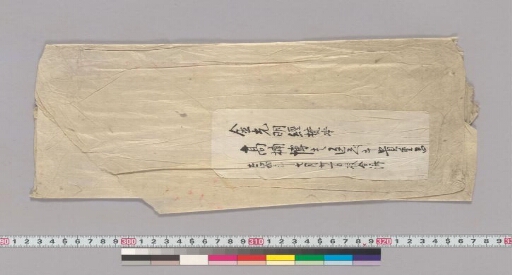
Suvarṇaprabhāsottama-sutrendrarāja
matsunami_483 Language : Sanskrit Scripts : Nepālākṣara and Devanāgarī
This text describes Śākyamuni telling his disciples about the power of the mantra Suvarṇa-prabhāsa, which even householders and women of family background who seek knowledge of the Buddhas and wish to worship Śākyamuni should hear and preach. The manuscript contains 20 chapters, each referred to as a parivartta. The text was translated into Chinese by Dharmamatatsin of the Northern Liang dynasty (502–565 CE) (Mitra, 1882, p. 241). This text is similar to Sl. no. 481. It also appears that the manuscript includes folios 1, 3, 8, 9, 10, 11, and 13, which are relatively new and written in Devanagari, whereas most of the older folios are written in Newari. It seems that someone replaced the original folios with newer ones because the originals were damaged. The chapters begin with Suvarṇapravāsottama-sūtrendrarāja-nidānaparivartta (f.1b–3b) and continue up to Sarvatathāgatastava-parivartta (f.121b–123b).
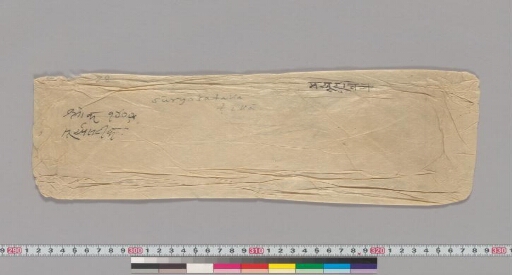
Sūryaśataka
matsunami_485 Language : Sanskrit Scripts : Nepālākṣara
A poem in praise of the sun god, composed in 100 verses and attributed to Mayūra (c. 580–650 CE). Mayūra was a contemporary of King Harṣa and Bāṇabhaṭṭa. Recitation of this prayer is believed to cure leprosy. This manuscript includes an anonymous commentary.
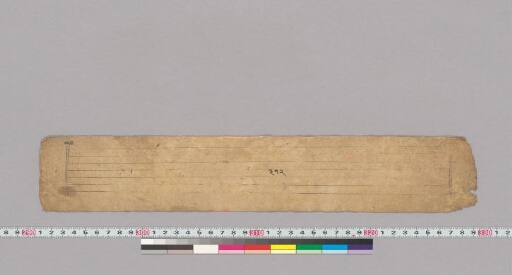
Nīlakaṇṭhamāhātmya
matsunami_486 Language : Sanskrit Scripts : Nepālākṣara
This text describes the origin of the Nīlakaṇṭha Lake and its importance as a pilgrimage site. It claims to be part of the Himavata-khaṇḍa of the Skanda-purāṇa, although the beginning of the text opens with passages similar to those typically found in Avadāna or Mahāyānasūtra literature. The text begins with Chapter 45, Nīlakaṇṭhotpatti (f.1b–4b), from the Kāmākhyā-kauśikī-gaṇḍakī prakarṇa of the Himavata-khaṇḍa of the Skanda-purāṇa, and ends with Chapter 48, Nīlakaṇṭhamāhātmyayātrā (f.10b–13a). However, the chapter numbers are not consistent in this manuscript—after Chapter 45, it unexpectedly resumes with Chapter 1 instead of 46.
Svapnacintāmaṇi
matsunami_488 Language : Sanskrit and Newar Scripts : Nepālākṣara
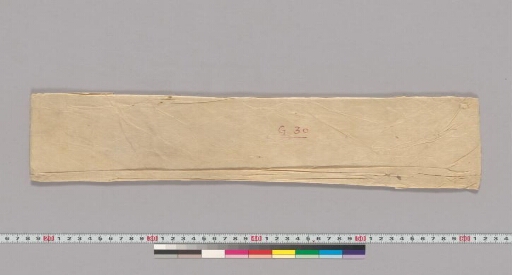
A Jyotiṣa text with an anonymous commentary composed in Newari describes different types of svapna (dreams), their interpretations, and effects. It was authored by Jagaddeva, son of Durlabharāja and grandson of Narasiṃhamahattara. The manuscript contains two chapters: the first, named Śubhasvapnādhikāra, spans folios 1b–18b and consists of 153 verses. The second chapter, on folios 18b–40a, contains 162 verses.
Svapnādhyāya
matsunami_489 Language : Sanskrit Scripts : Nepālākṣara
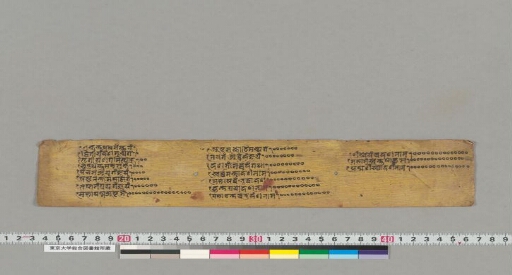
An anonymous Jyotiṣa text describes dreams and their good and bad effects. It is titled Svapnādhyāya, which means "a chapter on dreams." From the title, it seems that this text could be part of a larger work. However, since it does not mention the name of any other text or its author, it is difficult to determine its origin.
Svayambhū-caitya-bhaṭṭārakoddeśa
matsunami_490 Language : Sanskrit Scripts : Nepālākṣara
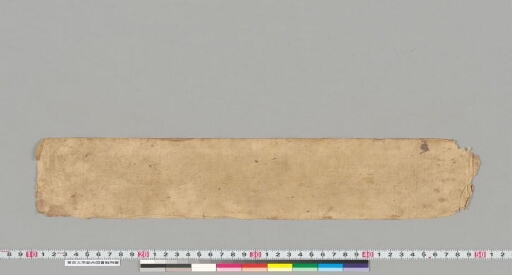
This is a recension of the Svayambhū-purāṇa. The manuscript contains only chapter eight, but it is incomplete and lacks a colophon. The eighth chapter describes the prophecy of a seven-year drought in the Nepal Valley by the Lord, and how Guṇakāmadeva was instructed by Śāntikara to bring the king of the nāgas, Karkkoṭaka, to cause rain.
Svayambhūpurāṇa
matsunami_491 Language : Sanskrit Scripts : Nepālākṣara
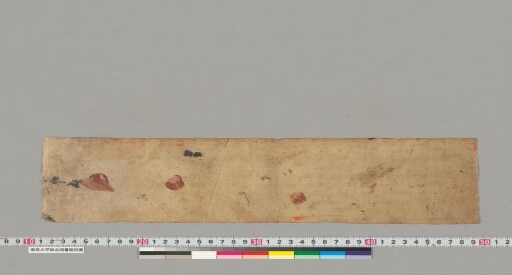
The Svayambhū-purāṇa exists in several versions of varying lengths. The present text, composed in eight chapters, represents the longer version known as the Vṛhat (great) version. It is a poetic work that narrates the manifestation of Lord Svayambhū, or the Ādi Buddha, in Nepal. The text describes sacred sites in Nepal (similar to the māhātmya chapters in Hindu Purāṇas), the origin of Svayambhū, stories of various Bodhisattvas and Buddhas, accounts of Dharma-Śrīmitra, different prophecies concerning Nepal, and many other topics. It is composed in the Anuṣṭubh metre, as are most Purāṇas (Mitra, 1882. p. 249). The original work dates back to the 16th century.Folia 42, 58-64, 94 and 140 are missing.
Svayambhū-purāṇa
matsunami_492 Language : Sanskrit Scripts : Nepālākṣara
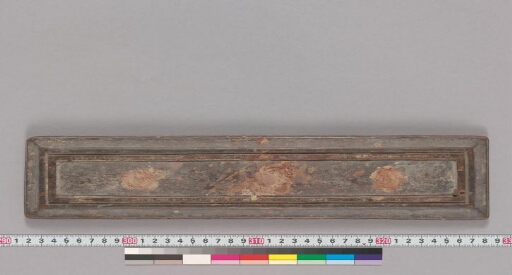
The Svayambhū-purāṇa exists in several versions of varying lengths. The present text, composed in eight chapters, represents the longer version known as the Vṛhat (great) version. It is a poetic work that narrates the manifestation of Lord Svayambhū, or the Ādi Buddha, in Nepal. The text describes sacred sites in Nepal (similar to the māhātmya chapters in Hindu Purāṇas), the origin of Svayambhū, stories of various Bodhisattvas and Buddhas, accounts of Dharma-Śrīmitra, different prophecies concerning Nepal, and many other topics. It is composed in the Anuṣṭubh metre, as are most Purāṇas (Mitra, 1882, p.249). The original work dates back to the 16th century.
Svayambhū-purāṇa
matsunami_493 Language : Sanskrit Scripts : Nepālākṣara
The Svayambhū-purāṇa exists in several versions of varying lengths. The present text, composed in eight chapters, represents the longer version known as the Vṛhat (great) version. It is a poetic work that narrates the manifestation of Lord Svayambhū, or the Ādi Buddha, in Nepal. The text describes sacred sites in Nepal (similar to the māhātmya chapters in Hindu Purāṇas), the origin of Svayambhū, stories of various Bodhisattvas and Buddhas, accounts of Dharma-Śrīmitra, different prophecies concerning Nepal, and many other topics. It is composed in the Anuṣṭubh metre, as are most Purāṇas (Mitra, 1882, p.249). The original work dates back to the 16th century. This manuscript is simmilar to Sl. no. 492
Svayambhū-caityabhaṭṭārakoddeśa
matsunami_494 Language : Sanskrit Scripts : Nepālākṣara and Devanāgarī
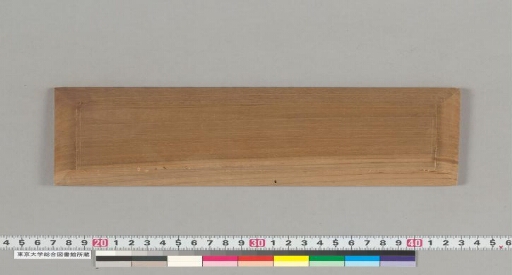
This is a recension of the Svayambhū-purāṇa. The manuscript contains only chapter eight, but it is incomplete and lacks a colophon. The eighth chapter describes the prophecy of a seven-year drought in the Nepal Valley by the Lord, and how Guṇakāmadeva was instructed by Śāntikara to bring the king of the nāgas, Karkkoṭaka, to cause rain. This manuscript is similar to Sl. no. 490.
Svayambhū-caityabhaṭṭārakoddeśa
matsunami_495 Language : Sanskrit Scripts : Nepālākṣara
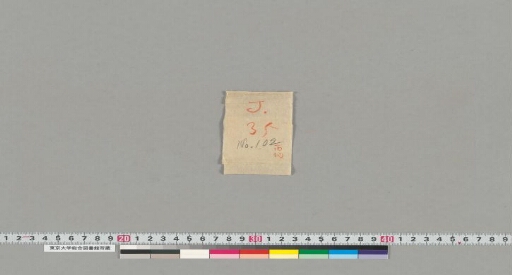
Svayambhū-purāṇa exists in several versions of varying lengths. The present work is the shortest and likely the earliest version of the text, believed to have been composed around the 15th century. It consists of eight chapters (paricchedas). The first chapter is titled Svayambhū-caitya-bhaṭṭārakoddeśe-taduddeśa (f.1b–5a), and the final chapter is Nepālaviṣaye-mahāprabhāva (f.3b–34a). In the colophon, the manuscript refers to this work as Svayambhūcaitya-purāṇa.
Svayambhū-purāṇa
matsunami_496 Language : Sanskrit and Newar Scripts : Devanāgarī
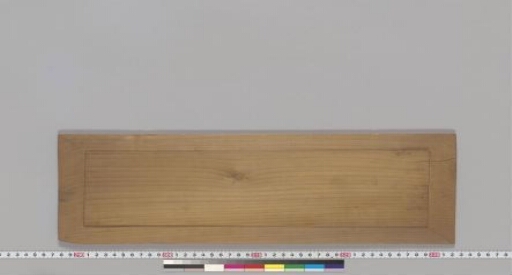
The Svayambhū-purāṇa exists in several versions of varying lengths. The present text, composed in ten chapters, represents the longer version known as the Vṛhat (great) version. It is a poetic work that narrates the manifestation of Lord Svayambhū, or the Ādi Buddha, in Nepal. The text describes sacred sites in Nepal (similar to the māhātmya chapters in Hindu Purāṇas), the origin of Svayambhū, stories of various Bodhisattvas and Buddhas, accounts of Dharma-Śrīmitra, various prophecies concerning Nepal, and many other topics. It is composed in the Anuṣṭubh metre, as are most Purāṇas (Mitra, 1882, p. 249). The text begins with a chapter titled Śākyasiṃha-maitreyo-bodhisattvasaṃvāde-śrīdharmadhātutpattiśatakathā (f.1b–18b), and concludes with the chapter Śākyasiṃha-maitreyosaṃvāde-śrīsvayambhū-utpattiśatakathā (f.259a–268b). The original work dates back to the 16th century. This manuscript also contains an anonymous commentary written in the Newari language.