
Manuscripts
Search Filter
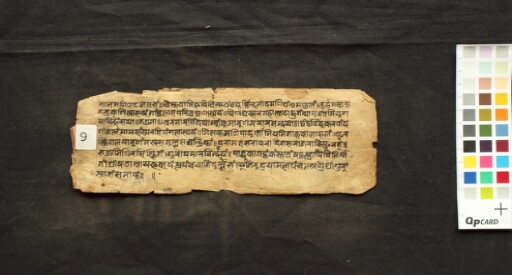
Śaktārcaṇa and Śrī Guru Stava
EAP790/21/9 Language : Sanskrit Scripts : Newari
It has two texts, Śaktyārcana and Śrī Guru Stava (folio 1), a Śaiva stotra from the Rudrayāmala Tantra (Sanskrit in Pracalit Newari script).
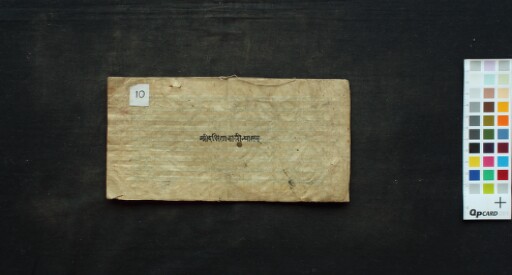
Dakṣiṇa Kālikā Stotra/Dakṣiṇa Kālikā Sankśipta Nyasa Vidhi
EAP790/21/10 Language : Sanskrit Scripts : Devanagari
This Śākta tantra ritual manual includes ‘Dakṣiṇa Kālikā Dvādaśa nama stotram' and details Kālī pūjā.ceremonies.
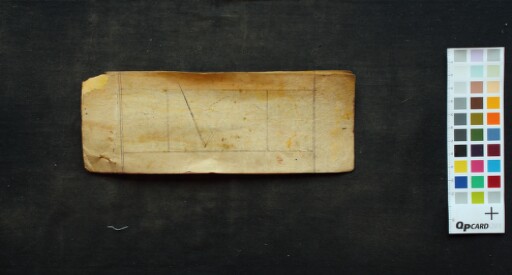
Rāhu Stotram
EAP790/21/11 Language : Sanskrit Scripts : Devanagari
A stotra to Rāhu from the Skandapurāṇa
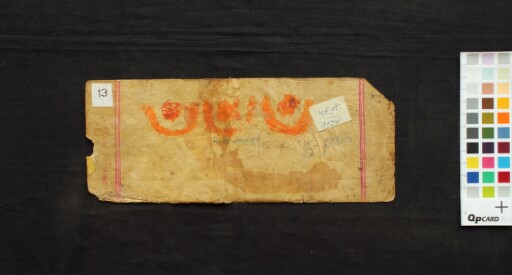
Nānā Rahasya Prayoga
EAP790/21/13 Language : Sanskrit Scripts : Devanagari
A tantric text (also called Siddhacāmuṇḍā, Siddhanāgārjunatantra …) on mantra, alchemy and magic, ascribed to Siddha Nāgārjuna.
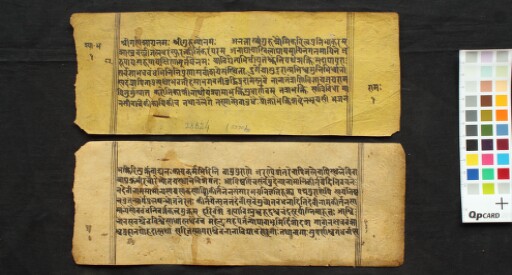
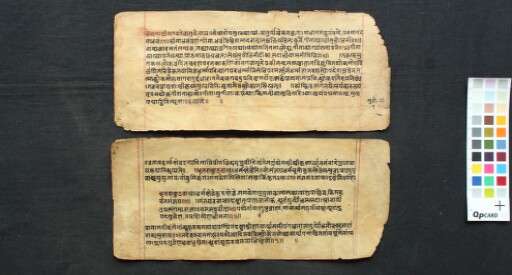
Bhagavadgītāṭīkā
EAP790/21/15 Language : Sanskrit Scripts : Devanagari
A commentary on the Bhagavadgītā by the Advaitin Śrīdhara Svāmin (active c. 1400), copied 904 Nepal Saṃvat/1783 CE
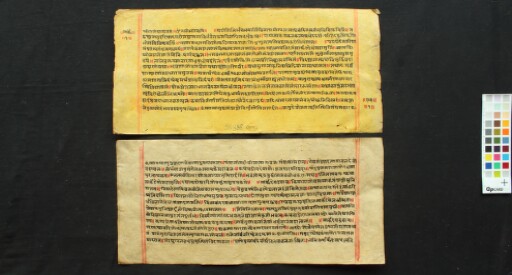
Mārkaṇḍeya Purāṇa
EAP790/21/17 Language : Sanskrit Scripts : Devanagari
A complete text of the Mārkaṇḍeya Purāṇa (a Śākta Purāṇa text)
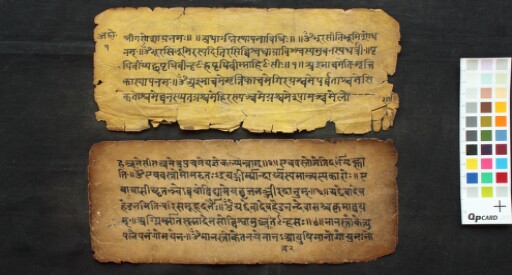
Agnisthāpanavidhi
EAP790/21/18 Language : Sanskrit Scripts : Devanagari
A text on rituals associated with the Vedic sacrificial fire
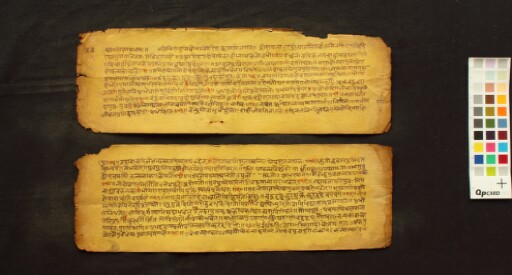
Praśnapradīpa
EAP790/21/19 Language : Sanskrit Scripts : Devanagari
A work on Jyotiṣa by Kaśīnath Bhaṭṭa
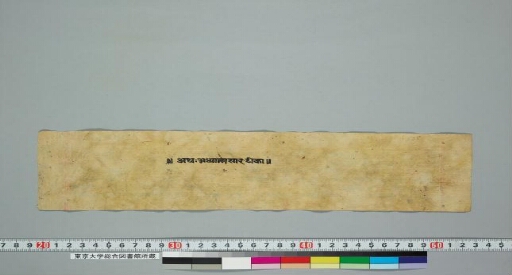
Adhyātmasāraṭīkā
matsunami_2 Language : Sanskrit Scripts : Devanāgarī
A commentary on the Adhyātmasāra-śataka: the names of both the author and the commentator are not mentioned in the manuscript. The manuscript contains up to 74 verses, with the remaining verses missing.
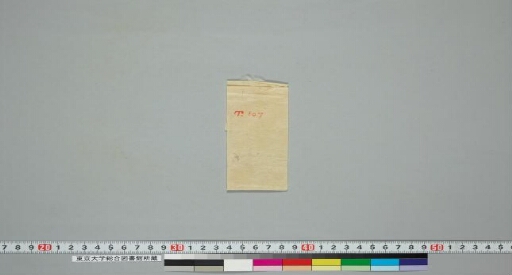
Aparimitanāma dhāraṇī
matsunami_3 Language : Sanskrit Scripts : Rañjanā
This text is considered holy and describes how it can benefit a household if they write it, preserve it, and chant it, enabling them to live for a hundred years. It reflects both writing and oral traditions that have survived in Mahāyāna Buddhism and also discusses the preservation of the text.
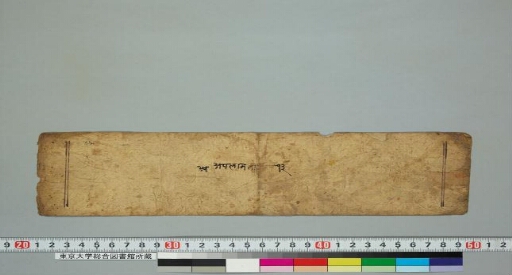
Aparimitāyur nāma mahāyānasūtra
matsunami_6 Language : Sanskrit Scripts : Nepālākṣara
This text is considered holy and describes how it can benefit a household if they write it, preserve it, and chant it, enabling them to live for a hundred years. It reflects both writing and oral traditions that have survived in Mahāyāna Buddhism and also discusses the preservation of the text.