
Manuscripts
Search Filter
Jātakamālāṭīkā
matsunami_137 Language : Sanskrit Scripts : Nepālākṣara
This is a commentary on Āryaśūra's Jātakamālā, a Buddhist text written in prose and verses; this style is known as campū kāvya. The author of the text is Āryaśūra, who belonged to the late 3rd or early 4th century. This text describes the previous lives of the Buddha, as the Jātaka texts do. Therefore, this text can also be categorized as a Jātaka text. The name of the commentary and commentator is unknown. Originally, the text contained 34 Jātaka stories, but this manuscript includes only 15 stories with commentary. Matsunami obsereved that "There are many blank places in this copy. Perhaps the copier could not read those places of his original text." (Matsunami, 1965, p. 57).
Jātakamālā
matsunami_138 Language : Sanskrit Scripts : Nepālākṣara
This is a Buddhist text written in prose and verses; this style is known as campū kāvya.The author of the text is Āryaśūra, belonged to the late 3rd or early 4th century. This text describes the previous lives of the Buddha, as the Jātaka texts do. Therefore, this text can also be categorised as a Jātaka text. Originally, the text contained 34 Jātaka stories, but this manuscript includes 1-30 stories (upto Hastijātaka).
Jñānodayatantra
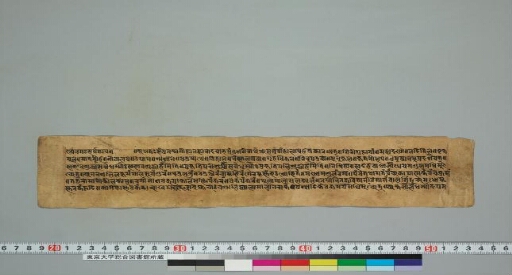
matsunami_142 Language : Sanskrit Scripts : Devanāgarī
A Mahāyāna Buddhist text descrided many cakras: khacakra (f.3b); kāyacakra (f.5b); nāḍīcakra (f.7a); urdha and madhya cakra (f.8b); catuścakra (f.10a); it also discussed on nāḍītraya (f.15a); ṣaṭcakraviśuddhiyoga (f.17b).
Jñānodayapañjikā
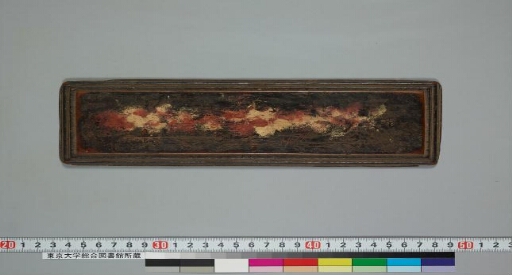
matsunami_143 Language : Sanskrit Scripts : Nepālākṣara
This is a commentary on the Jñānodayatantra (see ms. 142). In the colophon, the manuscript mentions the name of the scribe, but it seems that later, the name was intentionally erased with black ink.
Ḍākārṇavatantra
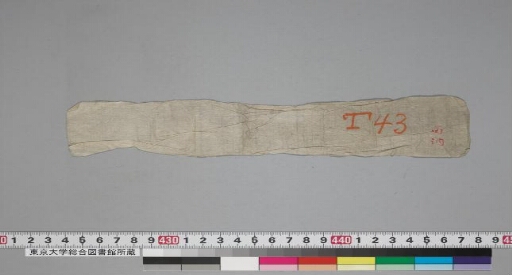
matsunami_144 Language : Sanskrit Scripts : Nepālākṣara
This is a Buddhist Tantra text that belongs to the Cakrasaṃvara segment of the Buddhist canon. Sugiki believed that this text was composed in the eastern part of the Indian subcontinent, probably between the late 11th and early 12th century. This manuscript contains 51 chapters (paṭalas). The text begins with an invocation to the Vīras and Vireśvarīs who attain the siddhis. It also describes the Maṇḍala with Goddesses and the piṭhas (sacred places) in India, and discusses the process of Abhiṣeka, the practice of Māyādeha and Caṇḍāli, and other practices (The Princeton Dictionary of Buddhism, p. 163). This manuscript is written in Sanskrit ślokas, with fragments of Apabhraṃśa prose and verses, which matches the description of Nagendra Narayan Chaudhuri. It is written in the saṅgīti style. As Nagendra Narayan Chaudhuri mentioned in his Ḍākārṇava edition, the text he dealt with was influenced by Śaurasenī Apabhraṃśa. Vajraḍāka Tathāgata the Preacher.
Ḍākārṇavatantra
matsunami_145 Language : Sanskrit Scripts : Nepālākṣara
This is a Buddhist Tantra text that belongs to the Cakrasaṃvara segment of the Buddhist canon. Sugiki believed that this text was composed in the eastern part of the Indian subcontinent, probably between the late 11th and early 12th century. This manuscript contains 51 chapters (paṭalas). The text begins with an invocation to the Vīras and Vireśvarīs who attain the siddhis. It also describes the Maṇḍala with Goddesses and the piṭhas (sacred places) in India, and discusses the process of Abhiṣeka, the practice of Māyādeha and Caṇḍāli, and other practices (The Princeton Dictionary of Buddhism, p. 163). This manuscript is written in Sanskrit ślokas, with fragments of Apabhraṃśa prose and verses, which matches the description of Nagendra Narayan Chaudhuri. It is written in the saṅgīti style. As Nagendra Narayan Chaudhuri mentioned in his Ḍākārṇava edition, the text he dealt with was influenced by Śaurasenī Apabhraṃśa.
Tattvajñānasaṃsiddhi with Marmakaṇikā
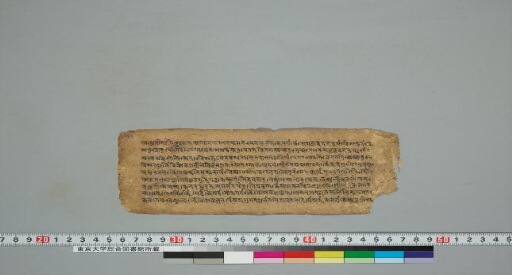
matsunami_149 Language : Sanskrit Scripts : Nepālākṣara
This is a commentary on Tattvajñānasaṃsiddhi by Śrīvīryamitrapāda.
Jambhalasādhana, Vistara[jambhala]sādhana (titles taken from intermediate colophon)
matsunami_152 Language : Sanskrit Scripts : Nepālākṣara
This is a Buddhist Tantra work praising Jambhala. The title of the text is unknown because the manuscript is incomplete. However, the manuscript contains two complete works and one incomplete work. From the intermediate colophon, two titles can be identified. On every verso of this manuscript (on the left side of the margins), the word "Jamva" is mentioned, suggesting that the work is related to Jambhala. Matsunami also stated, "The name of this work seems to begin with Jambhala, but not Jambhalasādhana" (Matsunami, 1965, p. 64).
Tārādevyānamaskāraikaviṃśatīnāma stotra
matsunami_154 Language : Sanskrit Scripts : Nepālākṣara
This is a Buddhist stotra text dedicated to the Buddhist deity Tārā. The stotra invokes 21 names of the deity Tārā and is written in 27 ślokas.
Namaskāraikaviṃśatistotra
matsunami_155 Language : Sanskrit Scripts : Nepālākṣara
This is a Buddhist stotra text dedicated to the Buddhist deity Tārā. The stotra invokes 21 names of the deity Tārā and is written in 27 ślokas. The text is the same as Sl. No. 154, although the absence of the name of the deity Tārā in the colophon is the reason why the title of this text differs from that of Sl. No. 154.
Tārābhaktisudhārṇava
matsunami_156 Language : Sanskrit Scripts : Devanāgarī and Nepālākṣara
A Tantra text worshiping deity Tārā in 20 Taraṅgas, compiled from various Tāntric texts like Rudrayāmala, Tattvabodha, Tantracūḍāmaṇi, Matsyasūkta, Tārārṇava etc.; by Narasiṃha Ṭhakkura (C. 1668 A. D.), son of Gadādhara. (NCC Vol. 8, p. 157). Matsunami mentioned "Fol . 200 is almost blank. Then follow stotras. They seem to be included in the Tārā-bhakti sudhā-'rṇṇava. Because there is a stotra in fol. 199a3, called śrī-mahākāla-kṛtaṃ karpūra-stotra, with which those stotras are thought to make a series." (Matsunami, 1965, pp. 64-65). This manuscript has 12 Taraṅgas out of 20.
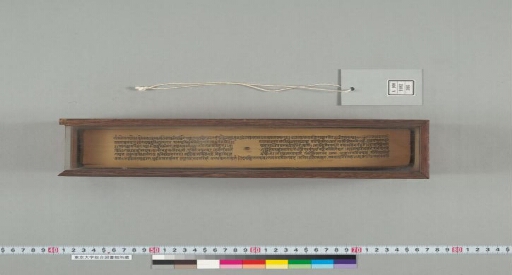
Tīrthacintāmaṇi
matsunami_161 Language : Sanskrit Scripts : Nepālākṣara, Devanāgarī and Tirhuta
A Dharmaśāstra text describes the importance of ceremonies observed during pilgrimages to Prayāga, Puruṣottamakṣetra, Gayā, the Ganges, and Benares, composed by Vācaspati Miśra of Mithilā. He was a well-known scholar of Dharmaśāstra and Navyanyāya. He was the son of Keśava of the Upamanyu gotra and the father of Lakṣmīdāsa. This manuscript covers all five chapters up to Kāśī prakāśa: Prayāga prakāśa (f.21a), Puruṣottamavidhi (f.65a), Gaṅgāprakāśa (f.92b), Gayāprakāśa (f.122a), Kāśīprkāśa (f.132b). This manuscript uses three different scripts: Newari, Devanagari, and Tirhuta. "Fols. 73 and 116 are missing. Two leaves with fol. no.35, 41, 46 and 77 each" (Matsunami. 1965, p. 67).