Manuscripts
Search Filter
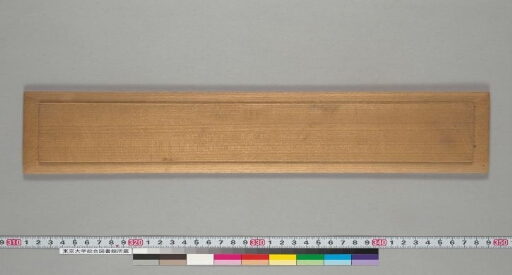
Daśabhūmīśvara-nāma-mahāyānasūtra-ratnarāja
matsunami_165 Language : Sanskrit Scripts : Nepālākṣara
This Buddhist treatise describes ten different stages that one should go through before attaining Buddhahood. These stages are known as bhūmis, from which the title of the work is derived. This text forms one of the nine Dharmas, or sacred scriptures, of the Nepalese Buddhists. Kumārajīva and a collaborator translated this text into Chinese under the name Shi-chu-king. It is composed in a narrative form and claims to have been related by the Buddha, as is the case with most Mahāyāna sūtras. (Mitra, 1882, p.81). This manuscript contains 11 chapters (upto parindanāparivartto-nāmaikādaśaḥ).
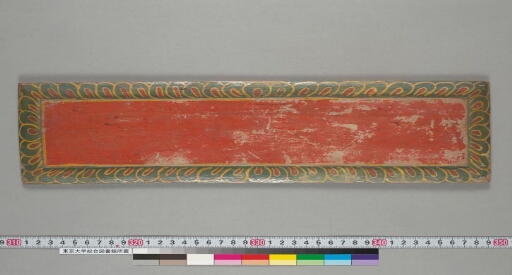
Daśabhūmīśvara-nāma-mahāyānasūtra-ratnarāja
matsunami_166 Language : Sanskrit Scripts : Nepālākṣara
This Buddhist treatise describes ten different stages that one should go through before attaining Buddhahood. These stages are known as bhūmis, from which the title of the work is derived. This text forms one of the nine Dharmas, or sacred scriptures, of the Nepalese Buddhists. Kumārajīva and a collaborator translated this text into Chinese under the name Shi-chu-king. It is composed in a narrative form and claims to have been related by the Buddha, as is the case with most Mahāyāna sūtras. (Mitra, 1882, p.81). This manuscript contains one illustration of a ten-handed Bodhisattva (f.1b), generally associated with Avalokiteśvara, and includes eleven chapters (up to pariṃdanāparivartto-nāmaikādaśaḥ), similar to manuscript Sl. No. 165.
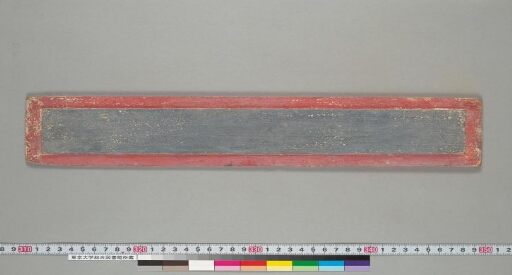
Daśabhūmīśvara-nāma-mahāyānasūtra-ratnarāja
matsunami_167 Language : Sanskrit Scripts : Nepālākṣara
This Buddhist treatise describes ten different stages that one should go through before attaining Buddhahood. These stages are known as bhūmis, from which the title of the work is derived. This text forms one of the nine Dharmas, or sacred scriptures, of the Nepalese Buddhists. Kumārajīva and a collaborator translated this text into Chinese under the name Shi-chu-king. It is composed in a narrative form and claims to have been related by the Buddha, as is the case with most Mahāyāna sūtras. (Mitra, 1882, p.81). This manuscript is similar to Sl. No. 165 and 166, although the name of the last chapter is not mentioned in the colophon.
Dānakamalākara
matsunami_168 Language : Sanskrit Scripts : Devanāgarī
This is a Dharmaśāstra text—the second book of the Dharmatattva by Kamalākara Bhaṭṭa, a member of the well-known Bhaṭṭa family of Benares. He was the son of Umā and Rāmakṛṣṇa and the father of Ananta Bhaṭṭa. (Kane, 1975, p.925 ) The Dharmatattva is divided into ten sections: Vrata, Dāna, Karmavipāka, Śānti, Pūrta, Ācāra, Vyavahāra, Prāyaścitta, Śūdradharma, and Tīrthavidhi. This text outlines the laws concerning various types of offerings and practices related to Hindu rituals.
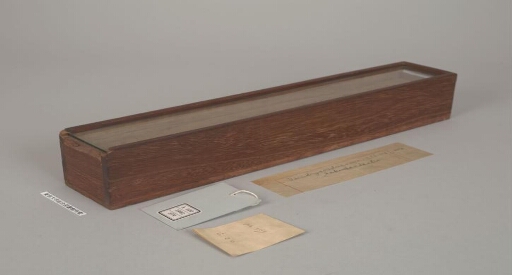
Vasantarājaśākuna
matsunami_169 Language : Sanskrit Scripts : Tirhuta/Mithilākṣara
This is a Jyotiṣa work on divination based on the observation of bird flights, composed by Vasantarāja, the son of Vijayarāja and Satyavatī, and the younger brother of Śivarāja. At the beginning of the manuscript, the genealogy of his family is provided, along with the name of his patron, Candradeva. A commentator, Bhānucandragaṇi, identifies this Candradeva as a king of Mithila, which supports the claim that Vasantarāja originated from Mithila. (See Indic Manuscript Cultures through the Ages: Material, Textual, and Historical Investigations, pp. 115–116.)
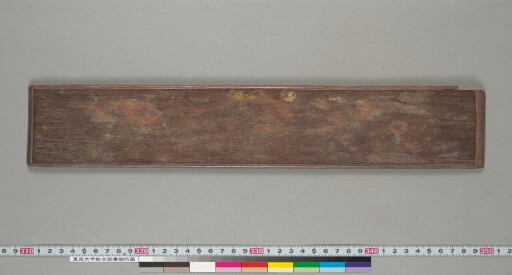
Divyāvadāna
matsunami_170 Language : Sanskrit Scripts : Nepālākṣara
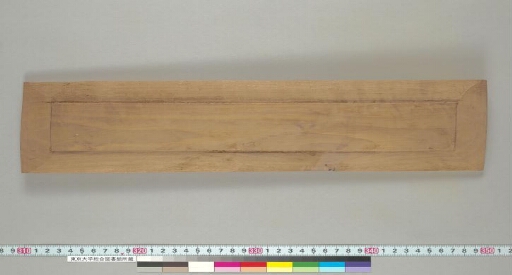
The Divyāvadāna is a collection of avadāna stories compiled between the 3rd and 4th centuries, and is one of the largest and earliest sources of Indian Buddhist narrative literature. The narratives it contains are set during the time of the Buddha’s stay in Śrāvastī, in the garden of Anāthapiṇḍada. This manuscript includes 25 stories, beginning with the Śroṇakoṭikarṇāvadāna (fols. 1b–16a) and ending with the Jyotiṣkāvadāna (fols. 328a–351b), along with a Dānādhikāra-Mahāyānasūtra included at fol. 294b. Matsunami notes: “Fol. 16 missing. 2 leaves with fol. no. 294.” (Matsunami, 1965, p. 70).
Dīpaṅkaravastu
matsunami_173 Language : Sanskrit Scripts : Nepālākṣara
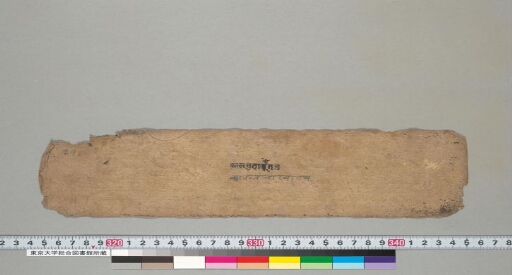
This is an extract from the Mahāvastu-Avadāna that describes Kaśyapa's account of Dīpaṅkara Buddha to Maudgalyāyana (Mitra, 1882, pp. 115–119). However, the colophon of the manuscript mentions that the account was told by Śākyamuni. Matsunami notes: "This is a Ms. of the Mahāvastu. The last part is written in amplification" (Matsunami, 1965, p. 71).
Daurgasiṃhavṛtti
matsunami_174 Language : Sanskrit Scripts : Nepālākṣara
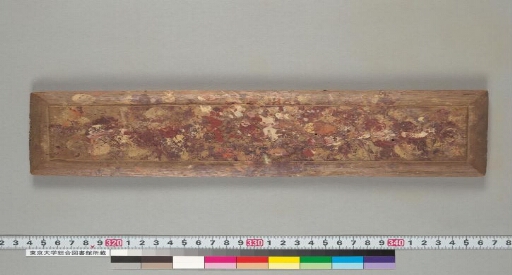
This is a Sanskrit grammar commentary by Durgasiṃha (10th century) on the Kātantra sūtras. It is considered one of the earliest commentaries on the Kātantra sūtras. Kātantra belongs to a non-Pāṇinian grammatical tradition; it is a concise treatise that appears to be a simplified version of Pāṇini’s Aṣṭādhyāyī, composed for beginners. It is also known as Kaumāra or Kālāpa Vyākaraṇa, attributed to Śarvavarman, to whom this system is said to have been revealed by the god Kumāra (hence the names Kaumāra and Kālāpa). According to the Kathāsaritsāgara, the system was devised to teach Sanskrit quickly to King Sātavāhana. This manuscript contains two complete chapters (Sandhi, Nāmnicatuṣṭaya), as well as up to 28 sūtras from the third pāda of Ākhyāta chapter.
Dvādaśasāhasrikā mahāpratyaṅgirā
matsunami_175 Language : Sanskrit Scripts : Nepālākṣara
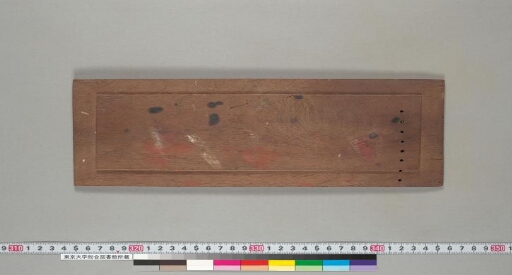
A Buddhist text describes several mantras related to Mahāpratyaṅgirā, a deity in the Tantric Buddhist pantheon. At the beginning of the manuscript, the iconography of the deity is described: Mahāpratyaṅgirā is blue in colour. In the Sādhanamālā, the deity is imagined with one face, six arms and blue in colour. (Bhattacharyya, 1924, p. 88). This manuscript also contains the Uṣṇīṣa-sitātapatrā-nāma-aparājitā-mahāpratyaṅgirā-mahāvidyā text (f.100a). In the colophon, the manuscript gives the title as: Ity āryya-dvādaśasāhasrīkāyāṃ mahāpratyaṅgirāyāṃ sarvvatathāgatoṣṇīṣasītātapatrānāma mahāvidyārājñī avalokṛta-mūrddhni-tṛtīya-kalpa samāpta. Although some words are misspelled, the title is still clearly recognizable and is similar to that found in SOAS MS.211250. R. C. Dogra documented the colophon of SOAS MS.211250 in A Handlist of the Manuscripts in South Asian Languages in the Library.
Dvādaśasāhasrikā mahāpratyaṅgirā
matsunami_176 Language : Sanskrit Scripts : Devanāgarī
A Buddhist text describes several mantras related to Mahāpratyaṅgirā, a deity in the Tantric Buddhist pantheon. At the beginning of the manuscript, the iconography of the deity is described: Mahāpratyaṅgirā is blue in colour. In the Sādhanamālā, the deity is imagined with one face, six arms and blue in colour. (Bhattacharyya, 1924, p. 88). This manuscript also contains the Vajradharavajrapāṇipratyaṅgirā-bodhicittaparigrahākathā (f.29a); mahāpratyaṅgirā-mahāvidyāyādharmmasmita (f.120a); Uṣṇīṣa-sitātapatrā-nāma-aparājitā-mahāpratyaṅgirā-mahāvidyā text (f.122a); This work is similar to Sl. No. 175. In the colophon, the manuscript gives the title as: Ity āryya-dvādaśasāhasrīkāyāṃ mahāpratyaṅgirāyāṃ sarvatathāgatoṣṇīṣasītātapatrānāma mahāvidyārājñī avalokita-mūrddhinī-tṛtīya-kalpa samāpta. This work is similar to that found in SOAS MS.211250. R. C. Dogra documented the colophon of SOAS MS.211250 in A Handlist of the Manuscripts in South Asian Languages in the Library.
Dvādaśasāhasrikā mahāpratyaṅgirā
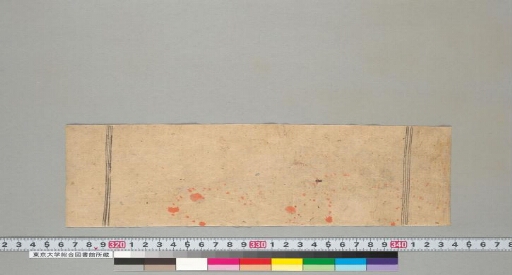
matsunami_177 Language : Sanskrit Scripts : Nepālākṣara
A Buddhist text describes several mantras related to Mahāpratyaṅgirā, a deity in the Tantric Buddhist pantheon. At the beginning of the manuscript, the iconography of the deity is described: Mahāpratyaṅgirā is blue in colour. In the Sādhanamālā, the deity is imagined with one face, six arms and blue in colour. (Bhattacharyya, 1924, p. 88). This manuscript also contains the Vajradharavajrapāṇipratyaṅgirā-bodhicittaparigrahokathā (f.31a); mahāpratyaṅgirā-mahāvidyāyāsadharmmasmita (f.110a); Uṣṇīṣa-sitātapatrā-nāma-aparājitā-mahāpratyaṅgirā-mahāvidyā (f.112a); This work is similar to Sl. No. 175, 176. In the colophon, the manuscript gives the title as: Ity āryya-dvādaśasāhasrīkāyāṃ mahāpratyaṅgirāyāṃ sarvatathāgatoṣṇīṣasītātapatrānāma mahāvidyārājñī avalokita-mūrddhinī-tṛtīya-kalpa samāpta. This work is similar to that found in SOAS MS.211250. R. C. Dogra documented the colophon of SOAS MS.211250 in A Handlist of the Manuscripts in South Asian Languages in the Library.
Dvādaśasāhasrikā mahāpratyaṅgirā
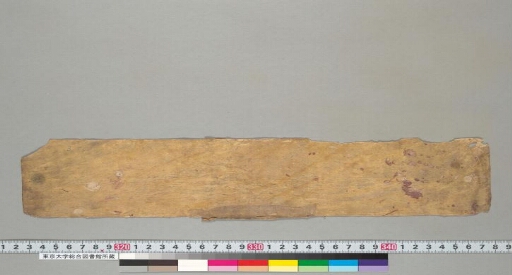
matsunami_178 Language : Sanskrit Scripts : Nepālākṣara
A Buddhist text describes several mantras related to Mahāpratyaṅgirā, a deity in the Tantric Buddhist pantheon. At the beginning of the manuscript, the iconography of the deity is described: Mahāpratyaṅgirā is blue in colour. In the Sādhanamālā, the deity is imagined with one face, six arms and blue in colour. (Bhattacharyya, 1924, p. 88). This manuscript also contains the Uṣṇīṣa-sitātopatrā-nāmāparājitā-mahāpratyaṅgīrā-pratyadevatā-sarvamāravidhvaṃsitā (f.13b); Vajradharavajrapāṇipratyaṅgirā-bodhicittaparigrahokathā (f.25a); mahāpratyaṅgirā-mahāvidyāyāsadharmma 'smita (f.105a); Uṣṇīṣa-sitātapatrā-nāma-aparājitā-mahāpratyaṅgirā-mahāvidyā (f.118b). This work is similar to Sl. Nos. 175, 176, and 177. Several folia of the manuscript depict small illustrations of flowers, bells, yantras, and vajras. The final two folia are illegible, with portions of the writing erased in several places. In the colophon, the manuscript gives the title as: Ity āryya-dvādaśasāhasrīkāyāṃ mahāpratyaṅgirāyāṃ sarvatathāgatoṣṇīṣasītātapatrānāma mahāvidyārājñī avalokita-mūrddhinī-tṛtīya-kalpa samāpta. This work is similar to that found in SOAS MS.211250. R. C. Dogra documented the colophon of SOAS MS.211250 in A Handlist of the Manuscripts in South Asian Languages in the Library.