
Manuscripts
Search Filter
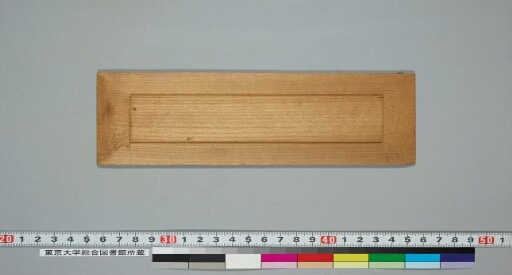
Aparimitāyur nāma mahāyānasūtra
matsunami_4 Language : Sanskrit Scripts : Nepālākṣara
This text is considered holy and describes how it can benefit a household if they write it, preserve it, and chant it, enabling them to live for a hundred years. It reflects both writing and oral traditions that have survived in Mahāyāna Buddhism and also discusses the preservation of the text.
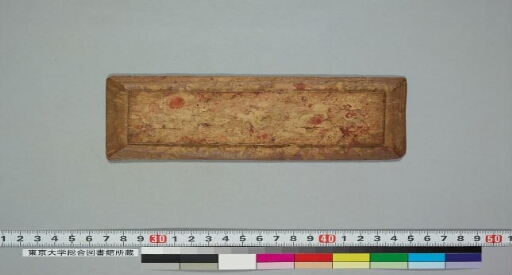
Aparimitāyur nāma mahāyānasūtra
matsunami_5 Language : Sanskrit Scripts : Nepālākṣara
The Buddhist Mahāyāna Sūtra is written in golden ink on black pigmented paper. It features an illustration of the Buddha. This text is considered holy and describes how it can benefit a household if they write it, preserve it, and chant it, enabling them to live for a hundred years. It reflects both writing and oral traditions that have survived in Mahāyāna Buddhism and also discusses the preservation of the text.
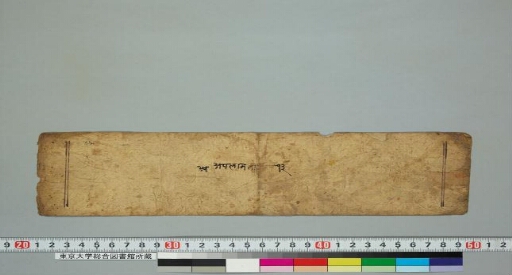
Aparimitāyur nāma mahāyānasūtra
matsunami_6 Language : Sanskrit Scripts : Nepālākṣara
This text is considered holy and describes how it can benefit a household if they write it, preserve it, and chant it, enabling them to live for a hundred years. It reflects both writing and oral traditions that have survived in Mahāyāna Buddhism and also discusses the preservation of the text.
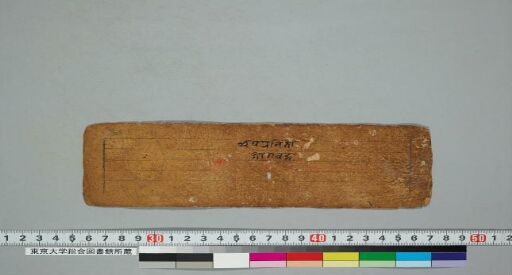
Aparimitāyur nāma mahāyānasūtra
matsunami_7 Language : Sanskrit Scripts : Nepālākṣara
This text is considered holy and describes how it can benefit a household if they write it, preserve it, and chant it, enabling them to live for a hundred years. It reflects both writing and oral traditions that have survived in Mahāyāna Buddhism and also discusses the preservation of the text.
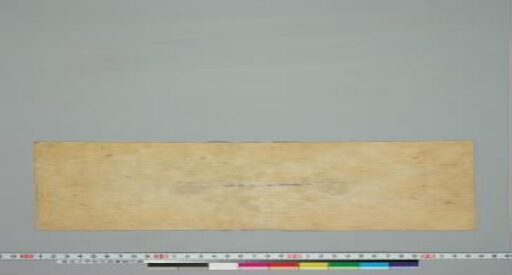
Abhidharmakośa
matsunami_8 Language : Sanskrit Scripts : Devanāgarī
This is a commentary titled Sphuṭārtha on the Abhidharmakośa of Vasubandhu by Yaśomitra (8 century). The Abhidharmakośa is a compendium of Abhidharma texts, originally consisting of 600 verses divided into eight chapters (kośa). In his work, Vasubandhu refutes the Vaibhāṣika views and justifies the Sautrāntikas. Yaśomitra's work is one of the most important and earliest Indian commentaries on the Abhidharmakośa. In his commentary, Yaśomitra defends Vasubandhu's work, which had been criticized by Saṃghabhadra and Vimalamitra, in order to reestablish the Vaibhāṣika views.
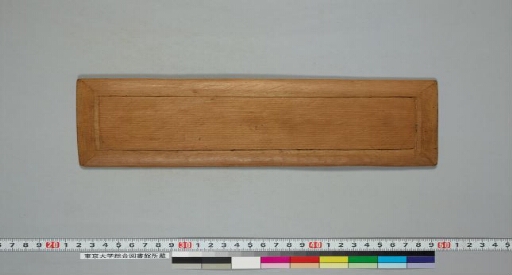
Abhidharmakośa
matsunami_9 Language : Sanskrit Scripts : Nepālākṣara
This is a commentary titled Sphuṭārtha on the Abhidharmakośa of Vasubandhu by Yaśomitra (8 century). The Abhidharmakośa is a compendium of Abhidharma texts, originally consisting of 600 verses divided into eight chapters (kośa). This manuscript contains only the first chapter. In his work, Vasubandhu refutes the Vaibhāṣika views and justifies the Sautrāntikas. Yaśomitra's work is one of the most important and earliest Indian commentaries on the Abhidharmakośa. In his commentary, Yaśomitra defends Vasubandhu's work, which had been criticized by Saṃghabhadra and Vimalamitra, in order to reestablish the Vaibhāṣika views.
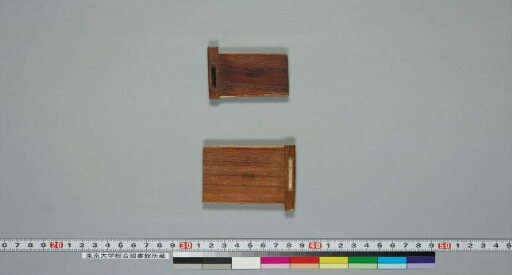
Abhidhānottarottarānāmamahātantrarāja
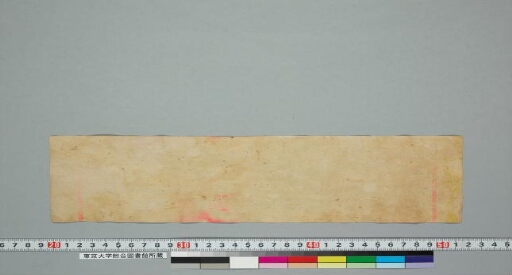
matsunami_10 Language : Sanskrit Scripts : Nepālākṣara
This is a Buddhist Tantra text that consists of 66 paṭalas and discusses the characteristics of the Buddhist tantric goddesses Dākinī, Lāmā, and Yoginī. It also contains mantras and nyāsas.
Abhidhānottarottarānāmamahātantrarāja
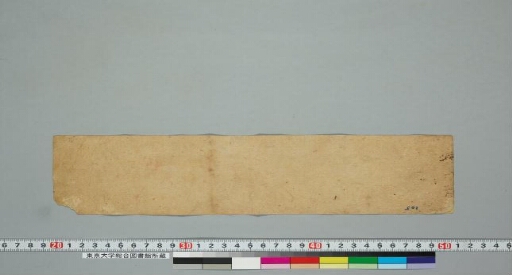
matsunami_11 Language : Sanskrit Scripts : Nepālākṣara
This is a Buddhist Tantra text that consists of 19 paṭalas and discusses the characteristics of the Buddhist tantric goddesses Dākinī, Lāmā, and Yoginī. It also contains mantras and nyāsas.
Abhidhānottarottarānāmamahātantrarāja
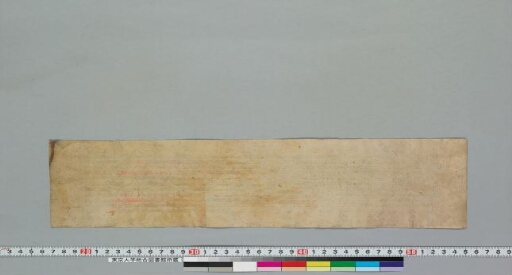
matsunami_12 Language : Sanskrit Scripts : Nepālākṣara
This is a Buddhist Tantra text that consists of 68 paṭalas and discusses the characteristics of the Buddhist tantric goddesses Dākinī, Lāmā, and Yoginī. It also contains mantras and nyāsas.
Aṣṭasāhasrikāprajñāpāramitā
matsunami_13 Language : Sanskrit Scripts : Devanāgarī
This is a commenatry on Aṣṭasāhasrikāprajñāpāramitā by Haribhadra (750 ce).
Amarakośa
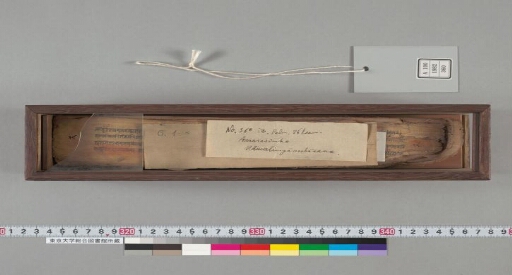
matsunami_14 Language : Sanskrit Scripts : Nepālākṣara
A work of lexicography by Amarasiṁha (active 500 c.), also known as Nāmaliṅgānuśāsana. It contains synonyms for different categories of words. It is divided into three kāṇḍas, svargādikāṇḍa, bhuvargādikāṇḍa and sāmānyādikāṇḍa. This manuscript contains an unknown commentary written in red ink.
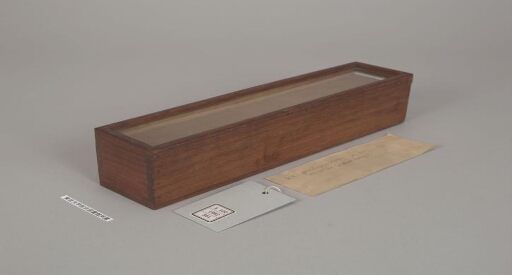
Amarakośa
matsunami_15 Language : Sanskrit Scripts : Nepālākṣara
A work of lexicography by Amarasiṁha (active 500 c.), also known as Nāmaliṅgānuśāsana. It contains synonyms for different categories of words. It is divided into three kāṇḍas, svargādikāṇḍa, bhuvargādikāṇḍa and sāmānyādikāṇḍa. This is an incomplete manuscript. It appears that the manuscript contains an unknown small work at the end, written in a different handwriting. It also mentions the date Nepal Saṃvat 664 (1543 ce).