

Manuscripts
Search Filter
Composite Manuscript
matsunami_476 Language : Sanskrit Scripts : Nepālākṣara
A composite manuscript contains ten different works, including Avadāna, Mahāyāna-sūtra, and Dhāraṇī texts, as follows: Sucandrāvadāna (ff. 1b–24b): This is an Avadāna text praising the Vasudhārā rites in the form of a story. It tells of a wealthy man, Sucandra, who loses his wealth and regains it through devotion to the deity Vasudhārā. The manuscript is missing folia 15–23. Following this, a Dhāraṇī collection contains three texts: Uṣṇīṣa-vijayānāma-dhāraṇī (ff. 9a–11a) Āryamahāparṇaśabarī-mahāmārī-praśamaṇīnāmadhāraṇī (ff. 11a–12a); folio 11a includes an illustration of Parṇaśabarī. Āryamārīcināma-dhāraṇī (ff. 12b–13b); folio 12b includes an illustration of the goddess Mārīcī. After this, the manuscript contains a single folio of a Dhāraṇī text, followed by the Prajñāpāramitā-hṛdaya-sūtra (ff. 1a–3b). Another Dhāraṇī collection includes: Vajravidāraṇonāma-dhāraṇī-mūlamantra (ff. 4a–6a) Āryagaṇapati-hṛdaya (ff. 6b–8b) Likely followed by Uṣṇīṣavijayadhāraṇī (ff. 8b–9b), though folia 10–13, 15, and 18 are missing. Grahamātṛkā-dhāraṇī (f. 24a): Matsunami noted in his catalogue that this text has the same content as Nos. 191, 192, 199-II, etc. (Matsunami, 1965, p. 168). Hemāṃgāvyā (Hemāṃgāthā)-nāma-dhāraṇī contains two folia. The last part of the Nāmasaṃgīti text (ff. 1b–10b); folio 1b contains an illustration of Vajradhara. An incomplete text on Lakṣaṇa and Pratimā (ff. 1a–20b). Sarva-tathāgata-sitātapatrā-nāmāparājitā-mahāpratyaṅgirā-mahāvidyārājñī: This text is similar to Sl. Nos. 441-I and 442 and contains 14 folia. Folio 1b features an illustration of the deity Sitātapatrā-Aparājitā. The ninth identifiable text appears to be Pīṭhāvarāstava, though Matsunami provided three variant readings of the title: Pīṭhāvarāstavatu(!)tra(?), possibly Pīṭhābalā-stava-stotra or Pīṭhā-stava-stotra. This text contains seven folia. Finally, the manuscript includes fragments of at least three different unknown works.
Composite Manuscript (Sudhanakumārāvadāna; Lakṣacaitya-vrata-śṛṅga-bherī-kathā)
matsunami_477 Language : Sanskrit Scripts : Nepālākṣara
A composite manuscript contains two texts. The first text is the Sudhanakumārāvadāna. In the colophon, it is mentioned that this is the 32nd story of the Avadāna-ratnamālā, though the story is also found in the Divyāvadāna. The story begins by describing the prosperous state of Uttara Pāñcāla and the poor state of Dakṣiṇa Pāñcāla. Uttara Pāñcāla was ruled by a king named Mahodhana, whose son was Sudhana. The narrative recounts how Sudhana met a kinnara princess named Manoharā and married her. As the story progresses, Sudhana embarks on a military expedition, instructing his mother to take care of his wife during his absence. Meanwhile, King Mahodhana has an unpleasant dream and consults his high priest. The priest suggests that the king should sacrifice a kinnara to avert the danger foretold by the dream. When the king attempts to sacrifice Manoharā, Sudhana's mother helps her escape to her father’s kingdom. Upon returning from the expedition and finding his wife gone, Sudhana is devastated and begins a journey to find her. The story concludes with their reunion and return to their kingdom. The second text is part of the Citraviṃśatyavadāna. It is also known as the Lakṣacaityaśṛṅgabherīkathā or Śṛṅgabherīkathā. This version expands upon the earlier Śṛṅgabherī story. The tale is narrated by Upagupta to King Aśoka to explain the significance of caitya (reliquary monument) rites. Upagupta tells the story of a king named Siṃhaketu and his queen Sulakṣaṇā. Due to his past deeds, the king is reborn as a buffalo, while the queen is reborn into a Brāhmaṇa family. She realizes that her former husband has been reborn as a buffalo and prays to the Lord for his deliverance. One day, the buffalo is killed by a wild beast. Upon finding the buffalo’s bones and horns, the queen builds a caitya on that site. After 21 days, a miraculous event occurs: a crystal caitya descends onto the sand caitya, the buffalo’s horn turns into gold, and a handsome man named Dharmaśila appears and asks for her hand in marriage. Later, he is known as Bhadraśriṅgī, and his wife becomes known as Rūpavatī.
Supriyamahāsārthavāhāvadāna
matsunami_478 Language : Sanskrit Scripts : Nepālākṣara
This Avadāna text tells the story of Supriya. This is the eighth chapter of Divyāvadāna. The story begins when the Buddha is resting in Śrāvastī during the rainy season. After the season ends, the Buddha calls Ānanda and instructs him to inform the people that he will visit the countryside of Magadha. When the Buddha reaches the area between Rājagṛha and Śrāvastī, he encounters a group of a thousand robbers. This part of the story describes how they come to follow the Buddha. The chapter is titled Caurasahasroddhāraṇa (folios 1a–4a). The narrative then shifts to the birth story of Supriya, how he meets the thousand robbers, donates whatever wealth he can to them, and his adventurous journey to Badaradvīpa and back.
Supriya-sārthavāha-janma-parivartta
matsunami_479 Language : Sanskrit Scripts : Nepālākṣara
This text is the 32nd chapter of the Bhadrakalpāvadāna, an Avadāna text divided into 38 chapters related to the Vinayapiṭaka. It is composed in a dialogue format between Aśoka and Upagupta (NCC, Vol. 16, p. 126). The text narrates the birth story of Supriya, his adventurous journey to Badaradvīpa, and his return. It presents a story very similar to Sl. No. 478, although this version begins with the birth story of Supriya.
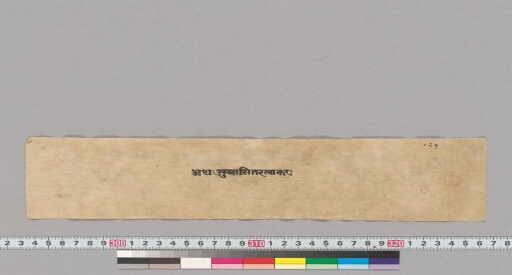
Subhāṣitaratnakaraṇḍaka
matsunami_480 Language : Sanskrit Scripts : Devanāgarī
This Buddhist religious text contains 28 kathās, composed for Buddhist monk preachers to inspire laypeople to develop faith in Buddhism. In the colophon, the text names Ārya Śūra as its author. One copy of the text has been found in Nepal, written in the Newari script and preserved in the Nepal Durbar Library (The Indian Historical Quarterly, Vol. 30, 1954, p. 86). The text includes the following chapters: Puṇyaprotsāhanakathā (f.1b–2a); Dharmaśravaṇaprotsāhanakathā (f.2a–3a); Durlabhamanuṣyakathā (f.3a–3b); Dānakathā (f.3b–5a); Puṇyakathā (f.5a–6a); Vimbakathā (f.6a–7a); Snānakathā (f.7a–7b); Kuṃkumādikathā (f.7b–8a); Chatrakathā (f.8a–8b); Dhātvāvarāpaṇakathā (f.8b); Maṇḍalakathā (f.9a–9b); Bhojanakathā (f.9b–10a); Pānakathā (f.10a–10b); Vastrākathā (f.10b–11a); Puṣpādikathā (f.11a–11b); Praṇāmakathā (f.11b–12a); Ujvālikādānakathā (f.12a–12b); Pradīpakathā (f.12b–13a); Vihārakathā (f.13a–13b); Śayanāsanadānakathā (f.13b–14a); Kṣetrakathā (f.14a–15a); Vicitrakathā (f.15a–19a); Śīlakathā (f.19a–20a); Kṣāntikathā (f.20a–21a); Vīryakathā (f.21a–21b); Dhyānakathā (f.21b–22a); Prajñākathā (f.22a–22b); Pāramitākathā (f.22b–23a).
Suvarṇaprabhāsottama-sutrendrarāja
matsunami_481 Language : Sanskrit Scripts : Nepālākṣara
This text describes Śākyamuni telling his disciples about the power of the mantra Suvarṇa-prabhāsa, which even householders and women of family background who seek knowledge of the Buddhas and wish to worship Śākyamuni should hear and preach. The manuscript contains 20 chapters, each referred to as a parivartta. The text was translated into Chinese by Dharmamatatsin of the Northern Liang dynasty (502–565 CE) (Mitra, 1882, p. 241). The chapters begin with Suvarṇapravāsottama-sūtrendrarāja-nidānaparivartta (f.1b–4a) and continue up to Sarvatathāgatastava-parivartta (f.132a–134a).
Suvarṇaprabhāsottama-sutrendrarāja
matsunami_482 Language : Sanskrit Scripts : Nepālākṣara
This text describes Śākyamuni telling his disciples about the power of the mantra Suvarṇa-prabhāsa, which even householders and women of family background who seek knowledge of the Buddhas and wish to worship Śākyamuni should hear and preach. The manuscript contains 20 chapters, each referred to as a parivartta. The text was translated into Chinese by Dharmamatatsin of the Northern Liang dynasty (502–565 CE) (Mitra, 1882, p. 241). This text is similar to Sl. no. 481; however, folios 26, 42, 91, and 95 are missing from this manuscript.
Suvarṇaprabhāsottama-sutrendrarāja
matsunami_483 Language : Sanskrit Scripts : Nepālākṣara and Devanāgarī
This text describes Śākyamuni telling his disciples about the power of the mantra Suvarṇa-prabhāsa, which even householders and women of family background who seek knowledge of the Buddhas and wish to worship Śākyamuni should hear and preach. The manuscript contains 20 chapters, each referred to as a parivartta. The text was translated into Chinese by Dharmamatatsin of the Northern Liang dynasty (502–565 CE) (Mitra, 1882, p. 241). This text is similar to Sl. no. 481. It also appears that the manuscript includes folios 1, 3, 8, 9, 10, 11, and 13, which are relatively new and written in Devanagari, whereas most of the older folios are written in Newari. It seems that someone replaced the original folios with newer ones because the originals were damaged. The chapters begin with Suvarṇapravāsottama-sūtrendrarāja-nidānaparivartta (f.1b–3b) and continue up to Sarvatathāgatastava-parivartta (f.121b–123b).
Sūtrakasiloka
matsunami_484 Language : Sanskrit Scripts : Nepālākṣara
This is a sūtra text titled Sūtrakasiloka, although Matsunami speculated that the title could be Sūtraka-śloka. The text is composed in the śloka style, very similar to the opening verses of the Mahāyāna sūtras, where celestial beings, demi-gods, and others gather to hear the Buddha's sermon.
Sūryaśataka
matsunami_485 Language : Sanskrit Scripts : Nepālākṣara
A poem in praise of the sun god, composed in 100 verses and attributed to Mayūra (c. 580–650 CE). Mayūra was a contemporary of King Harṣa and Bāṇabhaṭṭa. Recitation of this prayer is believed to cure leprosy. This manuscript includes an anonymous commentary.
Nīlakaṇṭhamāhātmya
matsunami_486 Language : Sanskrit Scripts : Nepālākṣara
This text describes the origin of the Nīlakaṇṭha Lake and its importance as a pilgrimage site. It claims to be part of the Himavata-khaṇḍa of the Skanda-purāṇa, although the beginning of the text opens with passages similar to those typically found in Avadāna or Mahāyānasūtra literature. The text begins with Chapter 45, Nīlakaṇṭhotpatti (f.1b–4b), from the Kāmākhyā-kauśikī-gaṇḍakī prakarṇa of the Himavata-khaṇḍa of the Skanda-purāṇa, and ends with Chapter 48, Nīlakaṇṭhamāhātmyayātrā (f.10b–13a). However, the chapter numbers are not consistent in this manuscript—after Chapter 45, it unexpectedly resumes with Chapter 1 instead of 46.
Two grammatical works of Bhīmasvāmībhūsura
matsunami_487 Language : Sanskrit Scripts : Bhujinmol
This Sanskrit grammar text contains two works by one Bhīmasvāmībhūsura (whose identity is not known). The first work has chapters on liṅga (gender), it ends with, "sārasvatasyādi samāpta." The second, titled 'Padabhāskara', contains nine chapters termed uddeśa-s. It deals with dhātu (root verbs).