

Manuscripts
Search Filter
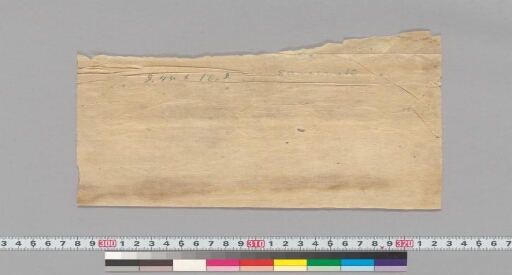
Sārasvatīprakriyā
matsunami_464 Language : Sanskrit Scripts : Devanāgarī
This text is a gramatical work consisting 11 chapters. It starting with Oṃ namo śrī ganeśāya Oṃ namo śrī Sāradayai and the subjects are divide on Pādas includingSañjā prakriyā (f.3a),Svara sandhi (f.8a), Vyañjana sandhi (f.13b), Visarga sandhi (f.17a), Svarānta puṃliṅga (f.31a), Svarānta strīliṅga (f.35b), Svarānta napuṃsakaliṅga (f.38a), Hasantāḥ puṃliṅga (f.43a), Hasantāḥ strīliṅga (f48b), Taddhita prakriyā (f.94b), Bhāva prakriyā (f.115b).
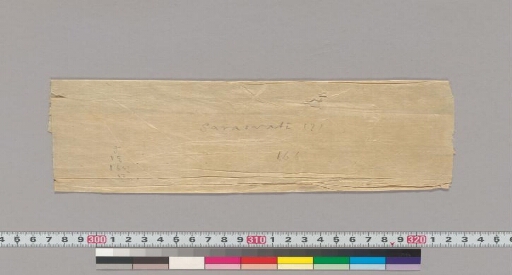
Sārasvatīprakriyā
matsunami_465 Language : Sanskrit Scripts : Nepālākṣara
The text is complete grammatical work Sārasvatīprakriyā of Anubhūtisvarūpācārya. It starting with śrī ganeśāya namaḥ and the subjects are divide on Pādas including; Svara sandhi (f.6a), Vyañjana sandhi (f.7b), Visarga sandhi (f.9b), Svarānta puṃliṅga (f.19a), Svarānta strīliṅga (f.21b), Svarānta napuṃsakaliṅga (f.23a), Hasantāḥ strīliṅga (f.33a), Hasantāḥ napuṃsakaliṅga (f.33b), Strī pratyaya (f.38b), Kāraka prakriyā (f.42b), Samāsa prakriyā (f.47a). Taddhita prakriyā (f.52a). At the end of the chapters some pages with flower illustration.
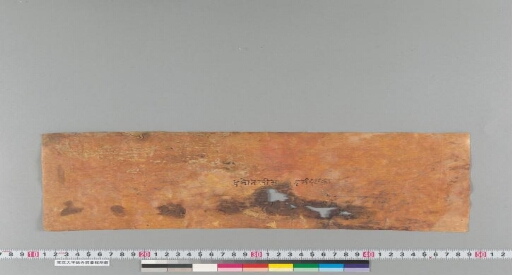
Siddhināgārjuna and other medical works
matsunami_466 Language : Sanskrit Scripts : Devanāgarī
A collection of medical works. Matsunami divided this text into three parts. The first part contains 63 folia. It includes: Nāḍīparīkṣā (f.3a); Mutralakṣaṇa (f.3a); Netralakṣaṇa (f.3a); Jihvāparīkṣā (f.3a); Vātajvara (f.3a); Pittajvara (f.3a); Śleṣmajvara (f.3b); Pittaśleṣmajvara (f.3b); Vātaśleṣmajvara (f.3b); Sannipātajvara (f.3b); Siddhināgārjuna-bhaiṣajyakhaṇḍa-prathamakhaṇḍa (f.4a–14a); Nānā-auṣadhi-bhāṣānetraroga-prakaraṇa-prathama-adhyāya (f.18b); Ghorāculi (f.28a), which Matsunami states seems to be the concluding part of the second chapter. Bālatantra-tṛtīya-adhyāya (f.28a); Nānā-auṣadhi-taila-caturtha (f.29b); Nānāmantra-auṣadhi-pañcama (f.33a); Tāranamohanavaśikṛṇa-nānāmantra-ṣaṣṭha by "Nityanātha Siddha alias Neminātha, son of Pārvatī (Generally his name is found mixed up with Nāgārjuna in colophons of mss. of Kakṣapuṭa, Rasaratnākara ect.)" (NCC, Vol. 39, p. 55); (f.55a); Tārana-mohana-dhūpa-siddhināgārjuna-saptamodhyāya (f.62a). After folio 65, the second part begins. It contains a medical tantra work with 5 folia. It includes: Pāśupatāstaśānti (f.1b); Dhūpadīpavarttividhi (f.2a); Gandhavidhi (f.2a); Kasturidayakevidhi (f.2b); Āsavavidhi (f.2b); Sahakāravidhi (f.2b); Karpuratalakṛti (f.3a); Lavaṅgakṛti (f.3a); Sukampālakṛti (f.3a); Madyādivāsanāvidhi (f.3a); Ādrakavidhi (f.3b); Māsasaṃskāravidhi (f.3b); Matsyakālavidhi (f.3b); Dhātuvādakriyāvidhi (f.4a); Dhānadarśanādividhi (f.4b); Kṣudhānāsanavidhi (f.4b); Prativedhavidhi (f.4b) After folio 5, the third part of the manuscript begins. It contains 211 illustrations, most of which are yantras. From folio 26a onward, 32 illustrations of deities are depicted, including four illustrations of Hanumāna and three illustrations of maṇḍalas or yantras. The connection between these three parts is unclear. As Matsunami noted about this manuscript: “Part III: 32 leaves. The first part has 63 leaves and seems to be incomplete. But it is not clear if the three parts make up a single text, or if they are parts of a text, or entirely different texts. In the first part, we find the ends of seven chapters, which have names connected to medicine.” Fols. 35 and 36 are missing from the first part. (Matsunami 1965, p.166). Matsunami provided a detailed description of the manuscript in his notebook no. 21, p. 46.
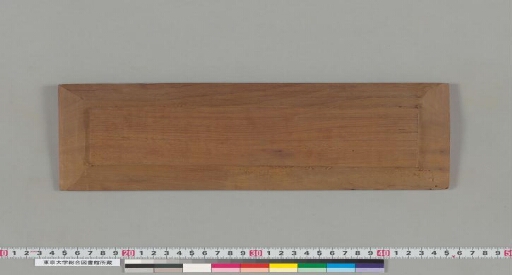
Sukhāvatīvyūha
matsunami_467 Language : Sanskrit Scripts : Nepālākṣara
This text is part of the larger Sukhāvatīvyūha. It speaks of the Buddha Amitābha (or Amitāyus) and the Pure Land, also known as the Blessed Land. It describes people who perform good deeds and direct their thoughts toward enlightenment. If, at the moment of death, they think of Amitābha, they will attain the Pure Land, Sukhāvatī. (A History Of Indian Literature, Vol. 2, Winternitz, pp. 310-312). For further reference, consult the editions of the Sukhāvatīvyūha edited by Max Müller and Nanjio.
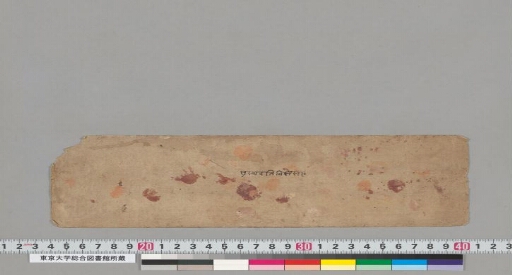
Sukhāvatīvyūha
matsunami_468 Language : Sanskrit Scripts : Nepālākṣara
This is the larger Sukhāvatīvyūha-mahāyānasūtra text. It speaks of the Buddha Amitābha (or Amitāyus) and the Pure Land, also known as the Blessed Land. It describes people who perform good deeds and direct their thoughts toward enlightenment. If, at the moment of death, they think of Amitābha, they will attain the Pure Land, Sukhāvatī. (A History Of Indian Literature, Vol. 2, Winternitz, pp. 310-312). For further reference, consult the editions of the Sukhāvatīvyūha edited by Max Müller and Nanjio.
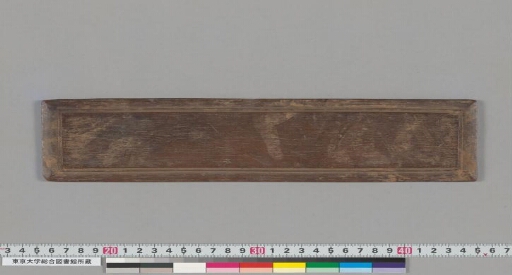
Sukhāvatīvyūha
matsunami_469 Language : Sanskrit Scripts : Nepālākṣara
This is the larger Sukhāvatīvyūha-mahāyānasūtra text. It speaks of the Buddha Amitābha (or Amitāyus) and the Pure Land, also known as the Blessed Land. It describes people who perform good deeds and direct their thoughts toward enlightenment. If, at the moment of death, they think of Amitābha, they will attain the Pure Land, Sukhāvatī. (A History Of Indian Literature, Vol. 2, Winternitz, pp. 310-312). Matsunami stated that "There are places where this Ms. differs from the usual text." (Matsunami 1965, p.166). For further reference, consult the editions of the Sukhāvatīvyūha edited by Max Müller and Nanjio.
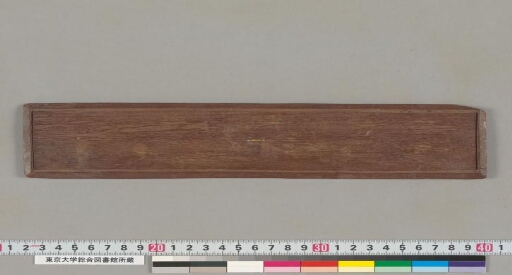
Sukhāvatīvyūha
matsunami_470 Language : Sanskrit Scripts : Nepālākṣara
"This is the larger Sukhāvatīvyūha-mahāyānasūtra text. It speaks of the Buddha Amitābha (or Amitāyus) and the Pure Land, also known as the Blessed Land. It describes people who perform good deeds and direct their thoughts toward enlightenment. If, at the moment of death, they think of Amitābha, they will attain the Pure Land, Sukhāvatī. (A History Of Indian Literature, Vol. 2, Winternitz, pp. 310-312). This text is simmilar with Sl. no. 468. For further reference, consult the editions of the Sukhāvatīvyūha edited by Max Müller and Nanjio. The manuscript was composed in the time of the Newar king Bhupalendra Malla in Suvarṇapanārī (another name of Kathmandu).
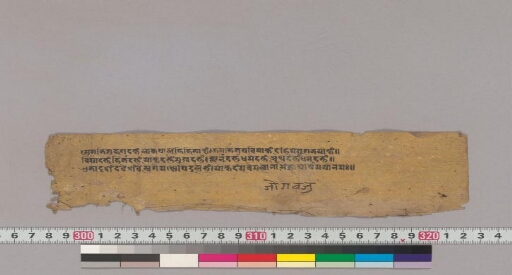
Sukhāvatīvyūha
matsunami_471 Language : Sanskrit Scripts : Nepālākṣara
"This is the larger Sukhāvatīvyūha-mahāyānasūtra text. It speaks of the Buddha Amitābha (or Amitāyus) and the Pure Land, also known as the Blessed Land. It describes people who perform good deeds and direct their thoughts toward enlightenment. If, at the moment of death, they think of Amitābha, they will attain the Pure Land, Sukhāvatī. (A History Of Indian Literature, Vol. 2, Winternitz, pp. 310-312). This text is simmilar with Sl. no. 470. For further reference, consult the editions of the Sukhāvatīvyūha edited by Max Müller and Nanjio.
Sukhāvatīvyūha
matsunami_472 Language : Sanskrit Scripts : Nepālākṣara
"This is the larger Sukhāvatīvyūha-mahāyānasūtra text. It speaks of the Buddha Amitābha (or Amitāyus) and the Pure Land, also known as the Blessed Land. It describes people who perform good deeds and direct their thoughts toward enlightenment. If, at the moment of death, they think of Amitābha, they will attain the Pure Land, Sukhāvatī. (A History Of Indian Literature, Vol. 2, Winternitz, pp. 310-312). This text is simmilar with Sl. no. 470 and 471. For further reference, consult the editions of the Sukhāvatīvyūha edited by Max Müller and Nanjio.
Sugatāvadāna
matsunami_473 Language : Sanskrit Scripts : Nepālākṣara
This is an avadāna text consisting of 12 chapters. It narrates a story about an ancient Buddha named Vasubandhu. The story begins with Lord Śākyasiṃha visiting the summit of Kaṇakagiri Hill during a session of samādhi (cosmic contemplation). At that time, a flame issued from between his eyebrows, illuminating 28,000 sacred Buddhist sites. Maitreya then asked Mañjuśrī about this phenomenon. In response, Mañjuśrī began recounting the story of a previous Tathāgata named Varaprabha—how he entered samādhi, enlightened many beings, and converted King Ajita and his eight sons to Buddhism. In the next chapter, following the samādhi, Śākyasiṃha invites Maitreya and narrates the story of Indrapṛṣṭha, who ruled over Gandhavatī, and the Bodhisattva Vasubandhu. It tells how Vasubandhu enlightened Indrapṛṣṭha, who subsequently established vihāras in Benares. (Mitra, 1882, pp. 233-234). The manuscript contains the following chapters: nidānaparivartta (f.5a); nimantranaparivartta (f.8b); dharmmaśravaṇaparivartta (f.12a); Ṣaṭgati (Ṣaḍgati?) prasaṃsāparivartta (f.16b); vihārādisthāpanaparivartta (f.25a); vidhānaparivartta (f.28a & 28b); bhūpaśreṣṭāparivartta (f.32a & 32b); nimantranādipurapraveśaparivartta (f.42b); rātryādipūjanayarjñatatyana (?) parivartta (f.48b); Pūjanakramaparivartta (f.51a); Bhojanādiphalaṃcaparivartta (f.56b); sarvasaṃghabhojyapraśaṃsāparivartta (f.60b).
Sugatāvadāna
matsunami_474 Language : Sanskrit Scripts : Nepālākṣara
This is an avadāna text consisting of 12 chapters. It narrates a story about an ancient Buddha named Vasubandhu. The story begins with Lord Śākyasiṃha visiting the summit of Kaṇakagiri Hill during a session of samādhi (cosmic contemplation). At that time, a flame issued from between his eyebrows, illuminating 28,000 sacred Buddhist sites. Maitreya then asked Mañjuśrī about this phenomenon. In response, Mañjuśrī began recounting the story of a previous Tathāgata named Varaprabha—how he entered samādhi, enlightened many beings, and converted King Ajita and his eight sons to Buddhism. In the next chapter, following the samādhi, Śākyasiṃha invites Maitreya and narrates the story of Indrapṛṣṭha, who ruled over Gandhavatī, and the Bodhisattva Vasubandhu. It tells how Vasubandhu enlightened Indrapṛṣṭha, who subsequently established vihāras in Benares. (Mitra, 1882, pp. 233-234). The manuscript contains the following chapters: Nidānaparivartta (f.5b); Nimantranaparivartta (f.10a); Dharmmaśravaṇaparivartta (f.14b); Ṣaḍgatipraśaṃsāparivartta (f.20a); Vihārādisthāpanaparivartta (f.31b); Vidhānaparivartta (f.35a); Bhūpraśreṣṭāparivartta (f.39b); Nimantranādipurapraveśaparivartta (f.52a); Rātryādiṣṭajanayajñatatyanaparivartta (f.59a); Pūjanakramapūrvvanimittaparivartta (f.62a); Bhojanādiphalañcaparivartta (f.67a); saṃghabhojyaprasaṃsāparivartta (f.71a). This text is similar to Sl. no. 473.
Sugatāvadāna
matsunami_475 Language : Sanskrit Scripts : Nepālākṣara
This is an avadāna text consisting of 12 chapters. It narrates a story about an ancient Buddha named Vasubandhu. The story begins with Lord Śākyasiṃha visiting the summit of Kaṇakagiri Hill during a session of samādhi (cosmic contemplation). At that time, a flame issued from between his eyebrows, illuminating 28,000 sacred Buddhist sites. Maitreya then asked Mañjuśrī about this phenomenon. In response, Mañjuśrī began recounting the story of a previous Tathāgata named Varaprabha—how he entered samādhi, enlightened many beings, and converted King Ajita and his eight sons to Buddhism. In the next chapter, following the samādhi, Śākyasiṃha invites Maitreya and narrates the story of Indrapṛṣṭha, who ruled over Gandhavatī, and the Bodhisattva Vasubandhu. It tells how Vasubandhu enlightened Indrapṛṣṭha, who subsequently established vihāras in Benares. (Mitra, 1882, pp. 233-234). The manuscript contains the following chapters: The name of the first chapter is not mentioned, but it ends with the word ‘prathama’, indicating the conclusion of the first chapter on folio 5a. The subsequent chapters are as follows: nimintraṇa (nimantrana) parivartta (f.9a); dharmmaśravaṇaparivartta (f.12b); ṣaḍgatipasaṃsanaparivartta (f.17a); vihārādisthāpanaparivartta (f.27b); vidhānaparivartta (f.30b); bhūmipavaraṇaparivartta (f.34b); nimintranādi(nimantranādi)purapraveśaparivartta (f.45b); rātripūjanaparivartta (f.50b); pūjākrammapūrvvanimittaparivartta (f.55b); bhojanādiphalaṃcivattoparivartta (f.58a & 58b); saṃghabhojyaparivartta (f.62a). This text is similar to Sl. No. 473 and 474; however, most of the chapter names differ slightly from those in that version.