

Manuscripts
Search Filter
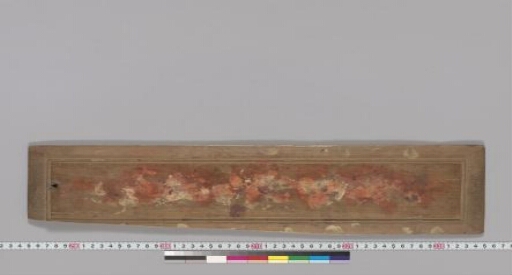
Śatasāhasrikā prajñāpāramitā
matsunami_382_a Language : Sanskrit Scripts : Nepālākṣara
The Śatasāhasrikā Prajñāpāramitā, or Perfection of Wisdom in One Hundred Thousand Lines, is the longest text within the Prajñāpāramitā corpus of Mahāyāna Buddhist literature. In this manuscript, two leaves—containing different content—are preserved under folio number 324. Paper slips inserted by Matsunami indicate the endings of twelve chapters in the first section (prathama khanḍa). This text is connected to cff 382-B, as it continues into the second section (dvitīya khaṇḍa).
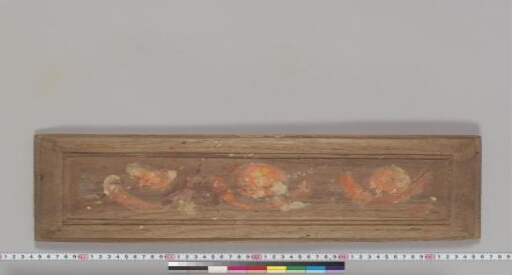
Śatasāhasrikā prajñāpāramitā
matsunami_382_b Language : Sanskrit Scripts : Nepālākṣara
The Śatasāhasrikā Prajñāpāramitā, or Perfection of Wisdom in One Hundred Thousand Lines, is the longest text in the Prajñāpāramitā corpus of Mahāyāna Buddhist literature. This manuscript contains the second section (dvitīya khaṇḍa), extending up to chapter 25. The first section (prathama khaṇḍa) is preserved in cff 382-A, while the third section is found in cff 382-C.
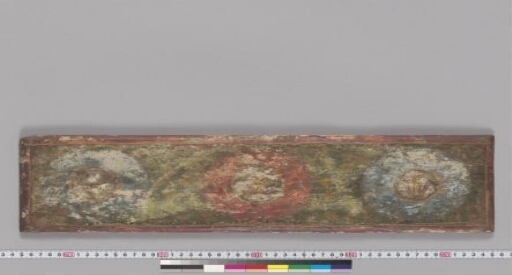
Śatasāhasrikā prajñāpāramitā
matsunami_382_c Language : Sanskrit Scripts : Nepālākṣara
The Śatasāhasrikā Prajñāpāramitā, or Perfection of Wisdom in One Hundred Thousand Lines, is the largest text within the Prajñāpāramitā corpus of Mahāyāna Buddhist literature. One of the wooden cover slats is illustrated with what appear to be three floral motifs, though they are difficult to discern due to fading. The final slat features an image of a female deity. Floral designs within the manuscript are used to mark chapter endings. This volume contains the third section (tṛtīya khaṇḍa). The first section (prathama khaṇḍa) is preserved in cff 382-A, the second section (dvitīya khaṇḍa) in cff 382-B, and the fourth section (caturtha khaṇḍa) in cff 382-D.
Śatasāhasrikā prajñāpāramitā
matsunami_382_d Language : Sanskrit Scripts : Nepālākṣara
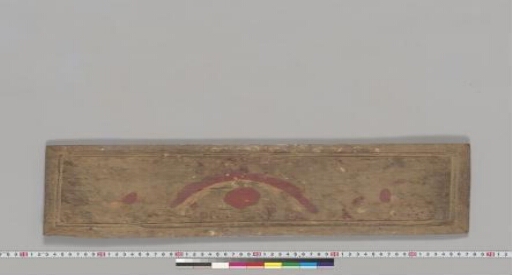
The Śatasāhasrikā Prajñāpāramitā, or Perfection of Wisdom in One Hundred Thousand Lines, is the largest of the Prajñāpāramitā class of Mahāyāna Buddhist literature. This volume contains the fourth section (caturtha khaṇḍa). Folio 1b features a beautiful illustration of the deity Prajñāpāramitā. The first three sections of the text are preserved in cff 382-A (prathama khaṇḍa), cff 382-B (dvitīya khaṇḍa), and cff 382-C (tṛtīya khaṇḍa), respectively.
Śatasāhasrikā prajñāpāramitā
matsunami_383 Language : Sanskrit Scripts : Nepālākṣara
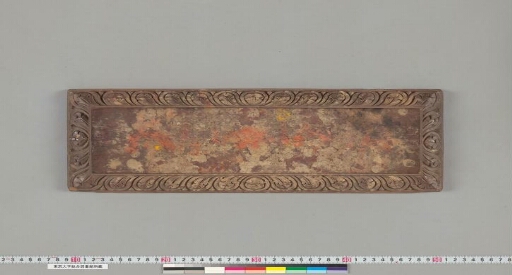
The Śatasāhasrikā Prajñāpāramitā, or “Perfection of Wisdom in One Hundred Thousand Lines,” is the largest of the Prajñāpāramitā class of Mahāyāna Buddhist literature. Fol. 1b has a gap for a picture. 2 leaves with fol. 190 and fol. 191. Fols 451b and 452a have floral designs.
Śatasāhasrikā prajñāpāramitā
matsunami_384 Language : Sanskrit Scripts : Nepālākṣara
The Śatasāhasrikā Prajñāpāramitā, or “Perfection of Wisdom in One Hundred Thousand Lines,” is the largest of the Prajñāpāramitā class of Mahāyāna Buddhist literature. Contains a picture of Prajñāpāramitā on folio 1b.
Śaniścarātantra
matsunami_385 Language : Sanskrit Scripts : Nepālākṣara
Verses 169–199 comprise a Śaniścaratantra embedded within the Skandapurāṇa, attributed to Daśaratha. The colophon on fol. 5b concludes with iti skandapurāṇe daśarathakṛtaṃ śaniścaratantraṃ samāptam, followed unexpectedly by the standard Buddhist verse ye dharmā hetu-prabhavā.... The insertion of this Buddhist stanza at the end of a Hindu Purāṇic text likely reflects the fluid manuscript practices of a shared religious environment.
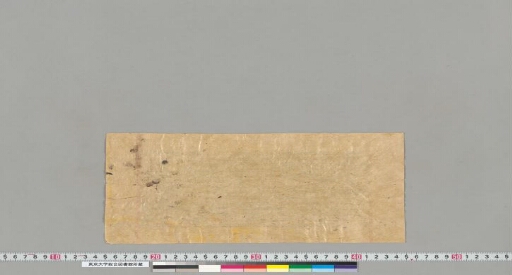
Śāriputramaudgalyāyaṇayor ṛddhivivādasūtra(?)
matsunami_387 Language : Sanskrit Scripts : Devanāgarī
A dialogue between the two chief disciples of the Buddha, Śāriputra and Maudgalyāyaṇa. This mss. seems to be written in a verse and a prose style. Jātakamāla is written on both sides of the text.
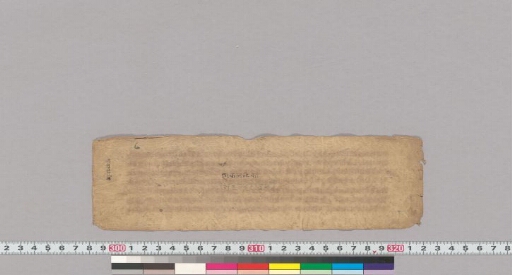
Śiśubodhinī
matsunami_388 Language : Sanskrit Scripts : Nepālākṣara
The Samāvivekatīkā, also known as the Śiśubodhinī, is an important text in Vedic astrology composed by Mādhava, son of Govinda. In this mss, chapter endings are highlighted in red.
Śiṣyalekha
matsunami_389 Language : Sanskrit Scripts : Devanāgarī
This is a manuscript of the Śiṣyalekha, a text from the Buddhist epistolary genre (lekha). The work was written by the Buddhist grammarian and poet Candragomin, who lived in the 5th century c.e. The Śiṣyalekha is a short, ornate poem (kāvya) in the form of a letter, where Candragomin addresses his disciple Ratnakīrti. In the letter, Candragomin offers a detailed explanation of Buddhist doctrine, rebuking Ratnakīrti for breaking his monk’s vow and becoming involved in a romantic affair with a princess (Hahn 1998: liii). (University of Cambridge Digital Library) Mention Patan Mahavihara as the donating body.
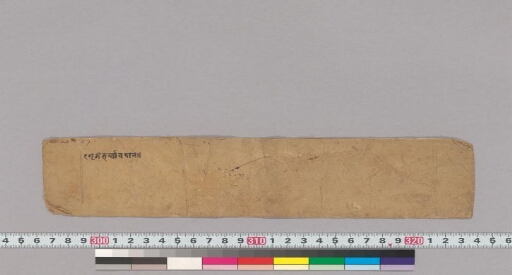
Śṛṅgabheryavadāna
matsunami_390 Language : Sanskrit Scripts : Nepālākṣara
Also known as the Lakṣacaityavratakathā, this narrative centers on a ritual devoted to the worship of stupas and is rooted in an avadāna framework. It includes descriptions of the Caityasaṃvara and the Śṛṅgaghoṣā (Śṛṅgabherī) rites. These rites were explained to King Aśoka by the monk Upagupta, who stated that they had originally been taught by the Buddha himself at the request of Śāriputra. The first rite involves the daily dedication of one or more miniature stupas (caityas) until the total number reaches one hundred thousand. These models may be made of cow-dung, clay, sandstone, or metal, depending on the dedicator’s means. This practice was said to have first been prescribed by the former Buddha Vipāśyin to a prince named Pradīpaketu. When the rite is performed beginning on the first day of the month of Śrāvaṇa (July–August), accompanied by the music of a golden horn and other instruments, it is called Śṛṅgabherī. (Mitra, 229)