

Manuscripts
Search Filter
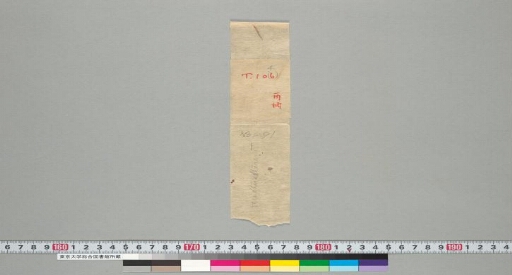
Vasudhārādhāraṇī
matsunami_357 Language : Sanskrit Scripts : Ranjan
The Vasudhārādhāraṇī, dedicated to Vasudhārā, the bodhisattva of wealth, prosperity, and abundance (who has a strong following among the Newar Buddhists of the Kathmandu valley). It is a dhāraṇī for alleviating poverty. (Buddhist Digital Archives) It is discovered by Prof. J. Masuda that fols. 10 and 11 are numbered reversely.
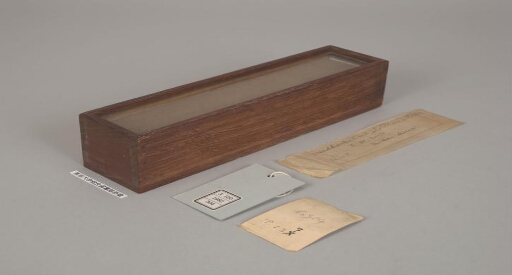
Vasudhārādhāraṇī
matsunami_358 Language : Sanskrit Scripts : Nepālākṣara
The Vasudhārādhāraṇī, dedicated to Vasudhārā, the bodhisattva of wealth, prosperity, and abundance (who has a strong following among the Newar Buddhists of the Kathmandu valley), is taught by the Buddha in Kauśāmbī to the rich merchant and layman Sucandra to alleviate poverty. (Buddhist Digital Archives) Damaged by water. Fols. 3, 4, 6 and 8 are newly written.

Vasudhārāvratakathāvidhi
matsunami_359 Language : Sanskrit Scripts : Devanāgarī
Written in Devanāgarī without the upper line. This mss. seems to be a ritual manual dedicated to Vasudhara, the goddess of wealth, prosperity, and abundance (who has a strong following among the Newar Buddhists of the Kathmandu valley) by drawing her presence into a maṇḍala to invoke her blessings.
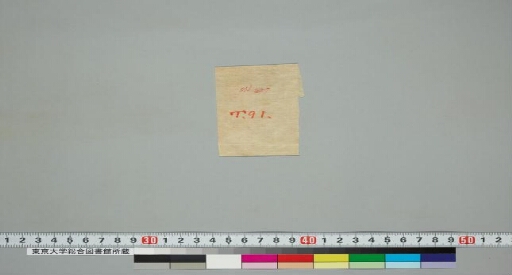
Vasudhārāvratapūrvamaṇḍalāgatasūryaprabhākathā
matsunami_360 Language : Sanskrit Scripts : Nepālākṣara
This text is written in praise of Vasudhārā devi, the bodhisattva of wealth, prosperity, and abundance (who has a strong following among the Newar Buddhists of the Kathmandu valley). It speaks of the fasting ritual in the form of a narrative, and is part of the Aśvaghoṣa avadāna.
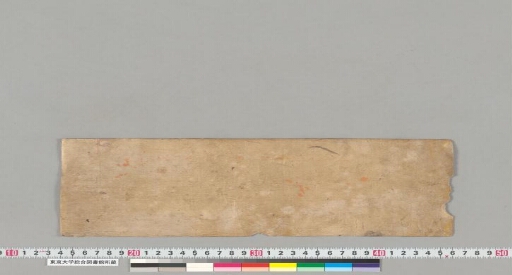
Vasudhārāvratasarvavidhāna
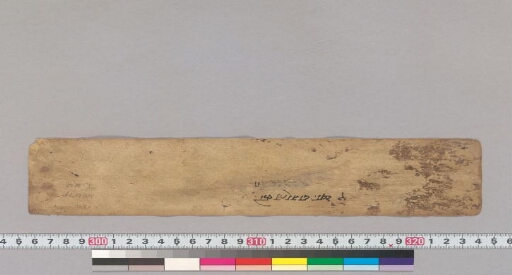
matsunami_361 Language : Sanskrit Scripts : Devanāgarī
The Vasudhārāvratasarvavidhānā also referred to as the Sucandrogṛhapatipṛchhatiśrīvasudhārāvratavidhāna in the colophon contains a dhāraṇī dedicated to Vasudhārā, the bodhisattva of wealth, prosperity, and abundance (who has a strong following among the Newar Buddhists of the Kathmandu valley), is taught by the Buddha in Kauśāmbī to the rich merchant and layman Sucandra. He has been reduced to poverty and so requests a sermon from the Lord so that he may provide for his own family, so that all beings may become prosperous. This scripture includes a dhāraṇī along with enumerations of benefits. (Buddhist Digital Archives)
Vasudhārāvratasarvavidhāna
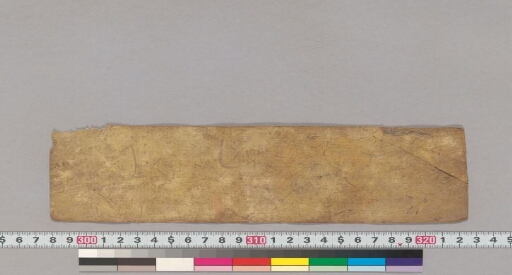
matsunami_362 Language : Sanskrit Scripts : Nepālākṣara
The Vasudhārāvratasarvavidhānā also referred to as the Sucandrogṛhapatipṛchhatiśrīvasudhārāvratavidhāna in the colophon contains a dhāraṇī dedicated to Vasudhārā, the bodhisattva of wealth, prosperity, and abundance (who has a strong following among the Newar Buddhists of the Kathmandu valley), is taught by the Buddha in Kauśāmbī to the rich merchant and layman Sucandra. He has been reduced to poverty and so requests a sermon from the Lord so that he may provide for his own family, so that all beings may become prosperous. This scripture includes a dhāraṇī along with enumerations of benefits. (Buddhist Digital Archives)
Vasudhārānāmāṣṭottaraśata; Vajravidāraṇahṛdayamantradhāraṇī
matsunami_363 Language : Sanskrit Scripts : Nepālākṣara
This is a composite mss. containing two works. The Vasudhārānāmāṣṭottaraśata is from fols 1b1 to 4b1 and is dedicated to Vasudhārā is the goddess of the bodhisattva of wealth, prosperity, and abundance (who has a strong following among the Newar Buddhists of the Kathmandu valley) (Buddhist Digital Archives). This text supposedly consists of 108 epithets forming a hymn in praise of Vasundhari, apparently meant for the presiding divinity of the earth or Prithvi Devī, but her abode is said to be in the Tuṣitā heaven." (Mitra, 274). The second item is the and Vajravidāraṇahṛdayamantradhāraṇī from fol. 4b2–7b4. "Vajravidarana is a semi-wrathful form of Vajrapani and the deity’s dharani, categorised as a Kriya Tantra, is known for its healing and purifying effect. The dharani has inspired a large number of ritual liturgies and commentaries, both Indic and Tibetan, and is commonly recited by Tibetan and Newar Buddhists." (Rigpa Shedra)
Vasundharāvratotpattyavadāna
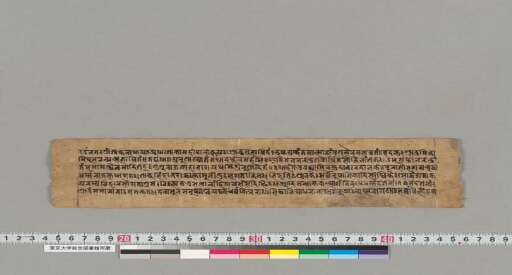
matsunami_364 Language : Sanskrit Scripts : Nepālākṣara
The Vasundharāvratotpattyavadāna recounts the origin of the Vasundharāvrata, a ritual dedicated to the goddess Vasundharā. Set during King Sūryodaya’s reign amidst famine and moral decline, the narrative depicts the goddess’s intervention—through her stewards Nandimukha and Aśvaghoṣa—to promote ethical renewal and prosperity via ritual worship. The tale concludes with the transformation and redemption of Queen Chūṭadevī and others through their observance of the rite. (Mitra, 269)
Vastrapradānāvadāna
matsunami_365 Language : Sanskrit Scripts : Nepālākṣara
The 17th story in the Avadānaratnamālā. The stories are said to have been related by Upagupta to the emperor Aśoka.
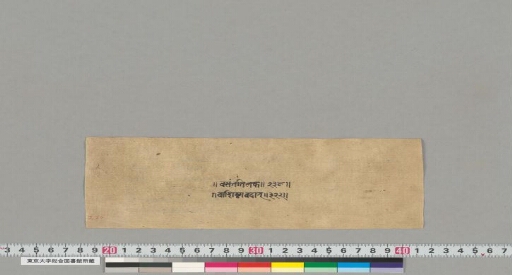
Vāsiṣṭhaparipṛṣṭopoṣadhāvadāna
matsunami_366 Language : Sanskrit Scripts : Devanāgarī
An account of the optional fast called Upoṣadha or Poṣadha in the form of a narrative. This avadāna is according to Matsunami, the 29th chapter of the Kalpadrumāvadāna. It is written in śloka form.
Vāsiṣṭhapripṛṣṭopoṣadhāvadāna
matsunami_367 Language : Sanskrit Scripts : Nepālākṣara
An account of the optional fast called Upoṣadha or Poṣadha in the form of a narrative. This avadāna is according to Matsunami, the 29th chapter of the Kalpadrumāvadāna. It is written in śloka form.
Composite manuscript; Vāsiṣṭhaparipṛṣṭopoṣadhāvadāna and Sānumattajadoṣanirṇayā nāma bhuktāṣṭamīvratapoṣadhāvadāna
matsunami_368 Language : Sanskrit Scripts : Devanāgarī
The Vāsiṣṭhaparipṛṣṭopoṣadhāvadāna and the Sānumattajadoṣanirṇayā nāma Bhuktāṣṭamīvratapoṣadhāvadāna are chapters from the Kalpadrumāvadāna, a larger compendium of avadānas. Both chapters extol the virtues of the poṣadha fast. The Vāsiṣṭhaparipṛṣṭopoṣadhāvadāna concludes at folio 10a5, while the Sānumattajadoṣanirṇayā ends at folio 14b5. Small writing in upper and lower margins from 10b on.