

Manuscripts
Search Filter
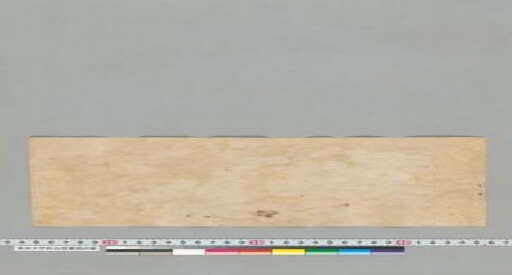
Svapnacintāmaṇi
matsunami_488 Language : Sanskrit and Newari Scripts : Nepālākṣara
A Jyotiṣa text with an anonymous commentary composed in Newari describes different types of svapna (dreams), their interpretations, and effects. It was authored by Jagaddeva, son of Durlabharāja and grandson of Narasiṃhamahattara. The manuscript contains two chapters: the first, named Śubhasvapnādhikāra, spans folios 1b–18b and consists of 153 verses. The second chapter, on folios 18b–40a, contains 162 verses.
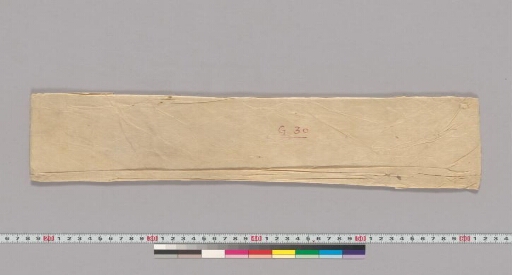
Svapnādhyāya
matsunami_489 Language : Sanskrit Scripts : Nepālākṣara
An anonymous Jyotiṣa text describes dreams and their good and bad effects. It is titled Svapnādhyāya, which means "a chapter on dreams." From the title, it seems that this text could be part of a larger work. However, since it does not mention the name of any other text or its author, it is difficult to determine its origin.
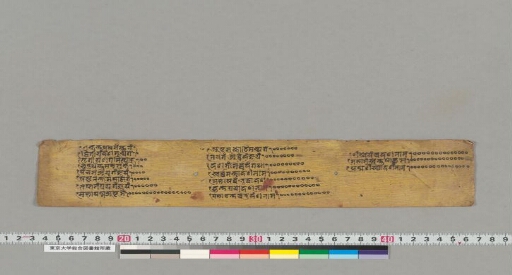
Svayambhū-caitya-bhaṭṭārakoddeśa
matsunami_490 Language : Sanskrit Scripts : Nepālākṣara
This is a recension of the Svayambhū-purāṇa. The manuscript contains only chapter eight, but it is incomplete and lacks a colophon. The eighth chapter describes the prophecy of a seven-year drought in the Nepal Valley by the Lord, and how Guṇakāmadeva was instructed by Śāntikara to bring the king of the nāgas, Karkkoṭaka, to cause rain.
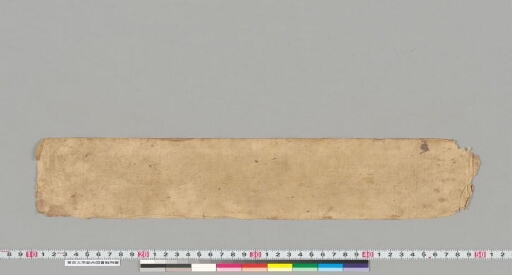
Svayambhūpurāṇa
matsunami_491 Language : Sanskrit Scripts : Nepālākṣara
The Svayambhū-purāṇa exists in several versions of varying lengths. The present text, composed in eight chapters, represents the longer version known as the Vṛhat (great) version. It is a poetic work that narrates the manifestation of Lord Svayambhū, or the Ādi Buddha, in Nepal. The text describes sacred sites in Nepal (similar to the māhātmya chapters in Hindu Purāṇas), the origin of Svayambhū, stories of various Bodhisattvas and Buddhas, accounts of Dharma-Śrīmitra, different prophecies concerning Nepal, and many other topics. It is composed in the Anuṣṭubh metre, as are most Purāṇas (Mitra, 1882. p. 249). The original work dates back to the 16th century.Folia 42, 58-64, 94 and 140 are missing.
Svayambhū-purāṇa
matsunami_492 Language : Sanskrit Scripts : Nepālākṣara
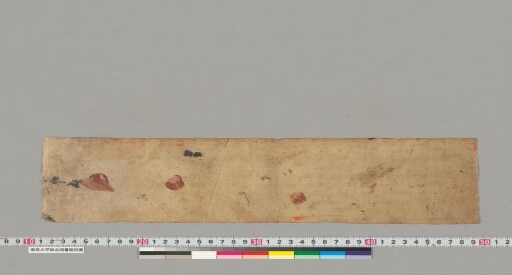
The Svayambhū-purāṇa exists in several versions of varying lengths. The present text, composed in eight chapters, represents the longer version known as the Vṛhat (great) version. It is a poetic work that narrates the manifestation of Lord Svayambhū, or the Ādi Buddha, in Nepal. The text describes sacred sites in Nepal (similar to the māhātmya chapters in Hindu Purāṇas), the origin of Svayambhū, stories of various Bodhisattvas and Buddhas, accounts of Dharma-Śrīmitra, different prophecies concerning Nepal, and many other topics. It is composed in the Anuṣṭubh metre, as are most Purāṇas (Mitra, 1882, p.249). The original work dates back to the 16th century.
Svayambhū-purāṇa
matsunami_493 Language : Sanskrit Scripts : Nepālākṣara
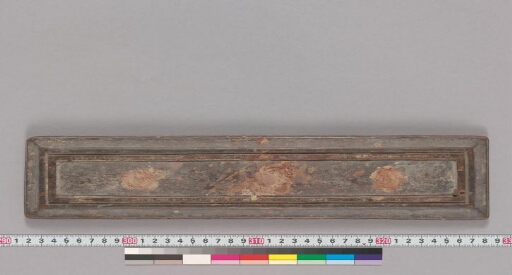
The Svayambhū-purāṇa exists in several versions of varying lengths. The present text, composed in eight chapters, represents the longer version known as the Vṛhat (great) version. It is a poetic work that narrates the manifestation of Lord Svayambhū, or the Ādi Buddha, in Nepal. The text describes sacred sites in Nepal (similar to the māhātmya chapters in Hindu Purāṇas), the origin of Svayambhū, stories of various Bodhisattvas and Buddhas, accounts of Dharma-Śrīmitra, different prophecies concerning Nepal, and many other topics. It is composed in the Anuṣṭubh metre, as are most Purāṇas (Mitra, 1882, p.249). The original work dates back to the 16th century. This manuscript is simmilar to Sl. no. 492
Svayambhū-caityabhaṭṭārakoddeśa
matsunami_494 Language : Sanskrit Scripts : Nepālākṣara and Devanāgarī
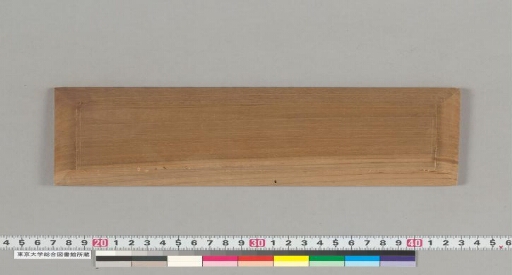
This is a recension of the Svayambhū-purāṇa. The manuscript contains only chapter eight, but it is incomplete and lacks a colophon. The eighth chapter describes the prophecy of a seven-year drought in the Nepal Valley by the Lord, and how Guṇakāmadeva was instructed by Śāntikara to bring the king of the nāgas, Karkkoṭaka, to cause rain. This manuscript is similar to Sl. no. 490.
Svayambhū-caityabhaṭṭārakoddeśa
matsunami_495 Language : Sanskrit Scripts : Nepālākṣara
Svayambhū-purāṇa exists in several versions of varying lengths. The present work is the shortest and likely the earliest version of the text, believed to have been composed around the 15th century. It consists of eight chapters (paricchedas). The first chapter is titled Svayambhū-caitya-bhaṭṭārakoddeśe-taduddeśa (f.1b–5a), and the final chapter is Nepālaviṣaye-mahāprabhāva (f.3b–34a). In the colophon, the manuscript refers to this work as Svayambhūcaitya-purāṇa.

Svayambhū-purāṇa
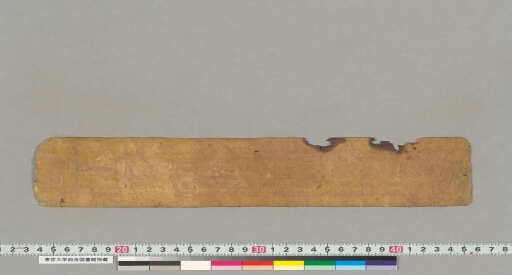
matsunami_496 Language : Sanskrit and Newari Scripts : Devanāgarī
The Svayambhū-purāṇa exists in several versions of varying lengths. The present text, composed in ten chapters, represents the longer version known as the Vṛhat (great) version. It is a poetic work that narrates the manifestation of Lord Svayambhū, or the Ādi Buddha, in Nepal. The text describes sacred sites in Nepal (similar to the māhātmya chapters in Hindu Purāṇas), the origin of Svayambhū, stories of various Bodhisattvas and Buddhas, accounts of Dharma-Śrīmitra, various prophecies concerning Nepal, and many other topics. It is composed in the Anuṣṭubh metre, as are most Purāṇas (Mitra, 1882, p. 249). The text begins with a chapter titled Śākyasiṃha-maitreyo-bodhisattvasaṃvāde-śrīdharmadhātutpattiśatakathā (f.1b–18b), and concludes with the chapter Śākyasiṃha-maitreyosaṃvāde-śrīsvayambhū-utpattiśatakathā (f.259a–268b). The original work dates back to the 16th century. This manuscript also contains an anonymous commentary written in the Newari language.
Svayambhū-purāṇa
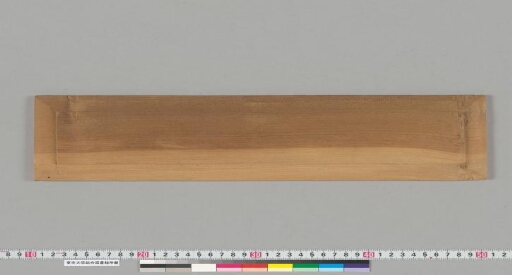
matsunami_497 Language : Sanskrit Scripts : Nepālākṣara
The Svayambhū-purāṇa exists in several versions of varying lengths. The present text, composed in ten chapters, represents the longer version known as the Vṛhat (great) version. It is a poetic work that narrates the manifestation of Lord Svayambhū, or the Ādi Buddha, in Nepal. The text describes sacred sites in Nepal (similar to the māhātmya chapters in Hindu Purāṇas), the origin of Svayambhū, stories of various Bodhisattvas and Buddhas, accounts of Dharma-Śrīmitra, various prophecies concerning Nepal, and many other topics. It is composed in the Anuṣṭubh metre, as are most Purāṇas (Mitra, 1882, p. 249). The text begins with a chapter titled Svayambhūdharmadhātu-samutpattinidānakathā (f.1b–10b), and concludes with the chapter Dharmadhātusvayambhūtpattimāhātmya-subhāṣitasūtra (f.88b–97a&b). The original work dates back to the 16th century. "Many parts at the beginning are damaged." (Matsunami, 1965, p.176)
Svayambhū-purāṇa
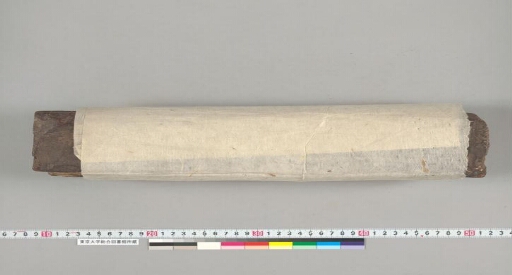
matsunami_498 Language : Sanskrit Scripts : Nepālākṣara
The Svayambhū-purāṇa exists in several versions of varying lengths. The present text, composed in four chapters, represents the longer version known as the Vṛhat (great) version. It is a poetic work that narrates the manifestation of Lord Svayambhū, or the Ādi Buddha, in Nepal. The text describes sacred sites in Nepal (similar to the māhātmya chapters in Hindu Purāṇas), the origin of Svayambhū, stories of various Bodhisattvas and Buddhas, accounts of Dharma-Śrīmitra, various prophecies concerning Nepal, and many other topics. It is composed in the Anuṣṭubh metre, as are most Purāṇas (Mitra, 1882, p. 249). Matsunami mentioned this text is the first part of the Svayambhū-caitya-bhaṭṭārakoddeśa (Matsunami noot book 27, p.24) The text begins with a chapter titled Dharmmadhātusamutpattinidāna (f.1b–9b), and concludes with the chapter Dharmadhātusvayambhūtpattimāhātmya-subhāṣitasūtra (f.88b–97a&b). The original work dates back to the 16th century. "Many parts at the beginning are damaged." (Matsunami, 1965, p.176)
Svayambhū-purāṇa
matsunami_499 Language : Sanskrit Scripts : Nepālākṣara
The Svayambhū-purāṇa exists in several versions of varying lengths. The present text, composed in four chapters, represents the longer version known as the Vṛhat (great) version. It is a poetic work that narrates the manifestation of Lord Svayambhū, or the Ādi Buddha, in Nepal. The text describes sacred sites in Nepal (similar to the māhātmya chapters in Hindu Purāṇas), the origin of Svayambhū, stories of various Bodhisattvas and Buddhas, accounts of Dharma-Śrīmitra, various prophecies concerning Nepal, and many other topics. It is composed in the Anuṣṭubh metre, as are most Purāṇas (Mitra, 1882, p. 249). The text begins with a chapter titled Svayambhūdharmadhātu-samutpattinidānakathā (f.1b–10a), and concludes with the chapter Dharmadhātusvayambhūtpattimāhātmya-subhāṣitasūtra (f.79b-87b). The original work dates back to the 16th century. This manuscript is similar to Sl. no. 497.