

Manuscripts
Search Filter
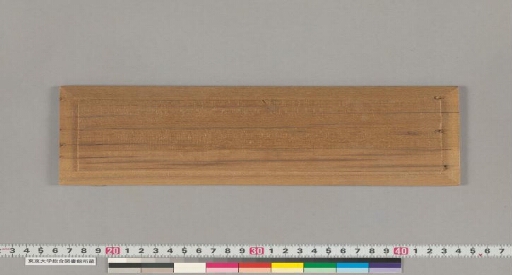
Sampuṭodbhavatantra
matsunami_427 Language : Sanskrit Scripts : Nepālākṣara
The Sampuṭodbhava Tantra (Emergence from the Sampuṭa), also known as the Sampuṭodbhavaḥ or the Sampuṭa according to 84000, is likely composed in the late tenth century, is a synthetic compendium of Buddhist tantric theory and practice. Drawing on about sixteen earlier sources—including foundational Father and Mother tantras like the Guhyasamāja—it treats nearly all aspects of advanced tantric thought. Framed as a dialogue between the Bhagavan (possibly either Cakrasaṃvara or Hevajra) and Vajragarbha, the discourse unfolds after the Bhagavan enters a specific samādhi. The term sampuṭa, denoting the enclosed space between two bowls, symbolizes the tantric union of wisdom and method, often interpreted as the nondual mind awakened through sexual yogic practice. (84000)The extant manuscript is incomplete: folios 2–5 are damaged, folio 4 is missing, and the final folio is faded.
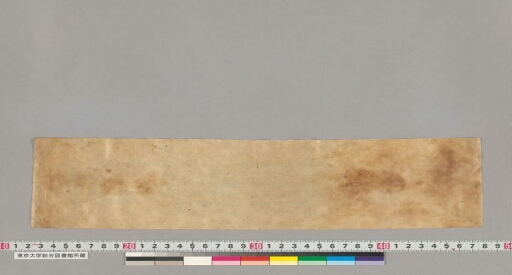
Sampuṭodbhavatantra
matsunami_428 Language : Sanskrit Scripts : Nepālākṣara
The Sampuṭodbhava Tantra (Emergence from the Sampuṭa), also known as the Sampuṭodbhavaḥ or the Sampuṭa according to 84000,likely composed in the late tenth century, is a synthetic compendium of Buddhist tantric theory and practice. Drawing on about sixteen earlier sources—including foundational Father and Mother tantras like the Guhyasamāja—it treats nearly all aspects of advanced tantric thought. Framed as a dialogue between the Bhagavan (possibly either Cakrasaṃvara or Hevajra) and Vajragarbha, the discourse unfolds after the Bhagavan enters a specific samādhi. The term sampuṭa, denoting the enclosed space between two bowls, symbolizes the tantric union of wisdom and method, often interpreted as the nondual mind awakened through sexual yogic practice. (84000) The manuscript is in very good condition with clear lettering, making it easy to follow the contents.
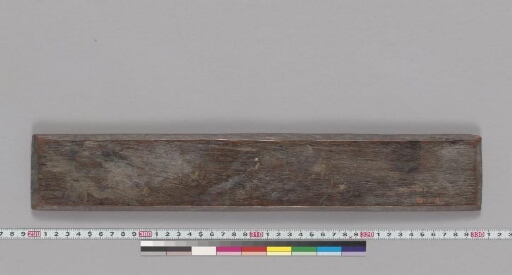
Sambhadrāvadānamālā
matsunami_429 Language : Sanskrit Scripts : Nepālākṣara
Sambhadrāvadānamālā is a Sanskrit collection of avadāna narratives illustrating the workings of karma, composed in campū style (a mixture of prose and verse). One of its stories belongs to the "gift-of-the-body" genre, as discussed by Reiko Ohnuma. The manuscript’s handwriting is messy and cluttered, making parts of the text difficult to read. Annotations by another hand appear throughout the manuscript.
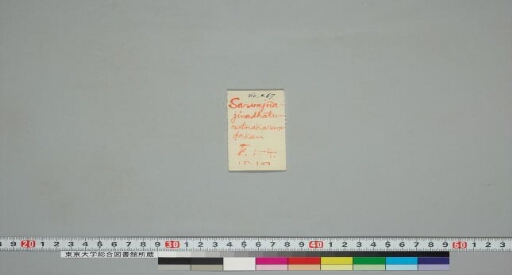
Sarvajñajinadhāturatnakaraṇḍaka
matsunami_430 Language : Sanskrit Scripts : Nepālākṣara
A stotra dedicated to Avalokiteśvara.
Sarvajñamitrāvadāna
matsunami_431 Language : Sanskrit Scripts : Nepālākṣara
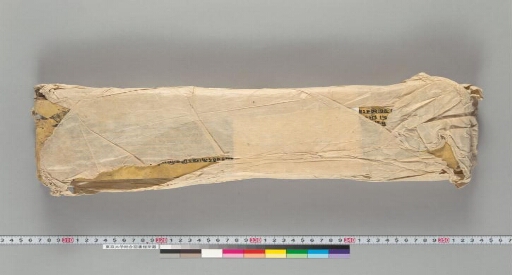
This manuscript contains two chapters of the Sarvajñamitrāvadāna. The second chapter, known as the Vajrasenāvadāna ends on folio 14a and the third chapter ends on folio 20b1. For further details, see Matsunami, Notebook 13, p. 6. This manuscript also includes all 37 verses of the Āryatārāsragdharāstotra written in sragdharā meter of 21 syllables. This stotra is known to be attributed to Sarvajñamitrā, a Kashmiri Buddhist monk who was an ardent devotee of goddess Tārā. (Tsadra Commons on Sarvajñamitrā).
Sarvajñamitrāvadāna
matsunami_432 Language : Sanskrit Scripts : Nepālākṣara
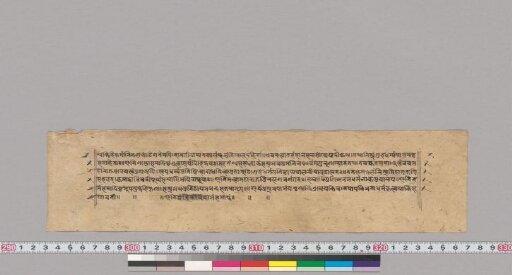
This manuscript contains the first seven chapters of the Sarvajñamitrāvadāna (chapters 1–4). Matsunami records the chapter titles along with corresponding folio numbers in his Notebook 13, p. 3. The pagination begins from 238, that is the beginning of the text.The chapters are as follows: 1) Candrasena Rājāvadāna (ends on 249a3) 2) Vajrasenāvadāna (279b6) 3) Lakṣaṇacaityabimbakathā (286a4) 4) Śṛṅgabherīkathā (295a1).
Sarvajñamitrāvadāna
matsunami_433 Language : Sanskrit Scripts : Nepālākṣara
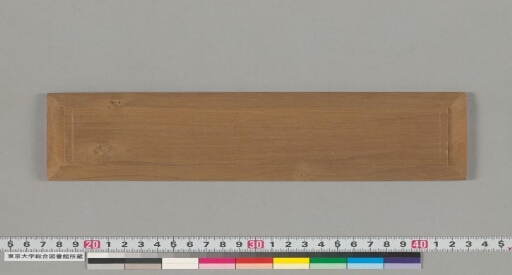
This manuscript contains the first seven chapters of the Sarvajñamitrāvadāna (chapters 1–7). Matsunami records the chapter titles along with corresponding folio numbers in his Notebook 13, p. 1. Fols. 40, 102 and 110 are missing. The chapters are as follows: 1) Candrasena Rājāvadāna (ends on 18b6) 2) Vajrasenāvadāna (63a) 3) Lakṣaṇacaityabimbakathā (71b5) 4) Śṛṅgabherīkathā (83b6) and Sarvajñamitrapādāvadāna (95a1). 5) Piṇḍapātrāvadāna (106b3) 6) Pravrajyāvrata (120b3) 7) Puṣpārohaṇam (129a2) The eighth chapter begins on folio 129b.
Sarvajñamitrāvadāna
matsunami_434 Language : Sanskrit Scripts : Nepālākṣara
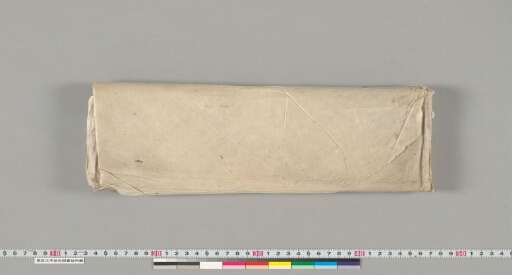
This manuscript contains the first seven chapters of the Sarvajñamitrāvadāna (chapters 1–7). Matsunami records the chapter titles along with their corresponding folio numbers in Notebook 13, p. 4. Fols 18–22 are msising. The chapters are as follows: 1)Candrasena Rājāvadāna (ends on 10b1) 2)Vajrasenāvadāna (36a10) 3)Lakṣaṇacaityabimbakathā (41b10) 4) Śṛṅgabherīkathā (49a10) — Although the manuscript refers to this chapter as Sarvajñamitrāvadāna Śṛṅgabherīkathā Pañcamaḥ, Matsunami notes that this is a scribal error and it should be understood as the fourth chapter. Additionally, a separate Sarvajñamitrapādāvadāna ends on 56a5. 5)Piṇḍapātrāvadāna (63a6) 6)Pravrajyāvrata (70b1) 7) Puṣpārohaṇam (75b7) The eighth chapter begins immediately after chapter 7.
Guhyasamājatantra
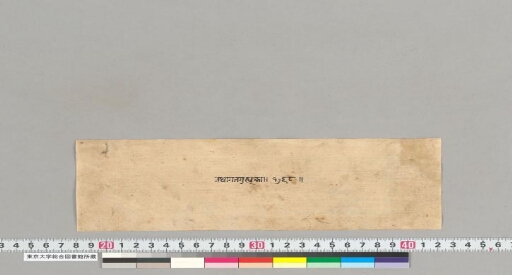
matsunami_435 Language : Sanskrit Scripts : Devanāgarī
The Guhyasamājatantra is one of the earliest Buddhist tantras of the Vajrayāna tradition. According to Tibetan sources, it originated in South India. The text is divided into two parts: the Pūrvārdha, consisting of 18 chapters (Paṭalas) and also known as the Aṣṭādaśapaṭala, and the Uttarārdha or Aparārdha, which contains 15 Paṭalas and is considered spurious. (see NCC). This manuscript contains the 18 Paṭalas of the Pūrvārdha, and the chapter titles correspond to those listed in Cecil Bendall’s catalogue entry for the Guhyasamājatantra (p. 15).
Guhyasamājatantra
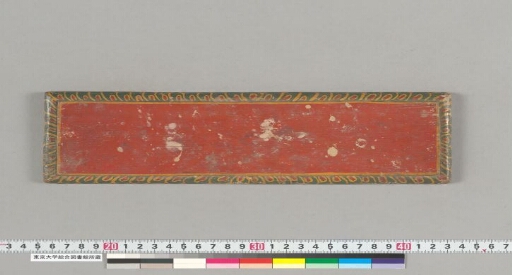
matsunami_436 Language : Sanskrit Scripts : Nepālākṣara
The Guhyasamājatantra is one of the earliest Buddhist tantras of the Vajrayāna tradition. According to Tibetan sources, it originated in South India. The text is divided into two parts: the Pūrvārdha, consisting of 18 chapters (paṭalas) and also known as the Aṣṭādaśapaṭala, and the Uttarārdha (or Aparārdha), which contains 15 paṭalas but is generally considered spurious (see NCC). This manuscript contains the 18 paṭalas of the Pūrvārdha. It is written with five lines per folio, except from fol. 42b onward, where it shifts to six lines per folio.
Composite text
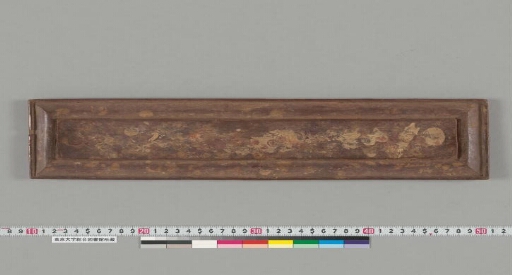
matsunami_437 Language : Sanskrit Scripts : Nepālākṣara
The Guhyasamājatantra is one of the earliest Buddhist tantras of the Vajrayāna school. According to Tibetan traditions, it originated in South India. The text is divided into two parts: the Pūrvārdha, consisting of 18 chapters (Paṭalas) and also known as the Aṣṭādaśapaṭala, and the Uttarārdha or Aparārdha, which contains 15 Paṭalas and is considered spurious (NCC). In this manuscript, the Pūrvārdha (18 Paṭalas) ends on folio 83a2. The Parārddha begins on folio 84b1, where a gap appears for an illustration, and continues until folio 236a4. Leaves from folio 205 to the end are damaged at the right corner, and in some places toward the end, the text is difficult to read. The manuscript includes an illustration of a twelve-armed, four-headed blue deity holding a ḍamaru (hand drum) in one of its hands on fol 1b.
Guhyasamājatantra (Parārdha)
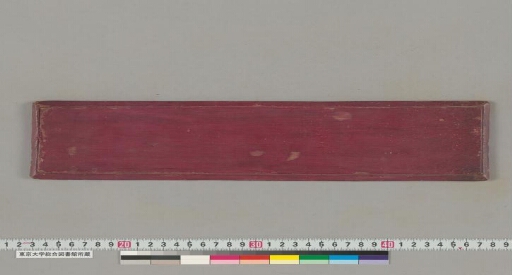
matsunami_438 Language : Sanskrit Scripts : Nepālākṣara
The Guhyasamājatantra is one of the earliest Buddhist tantras of the Vajrayāna school; originated in South India according to Tibetan traditions; in two parts; the Pūrvārdha in 18 Paṭalas is also called Aṣṭādaśapaṭala, the second part called Uttarārdha or Aparārdha is said to be spurious and is in 15 Paṭalas (NCC). In this manuscript, there are 2 leaves with fol. no. 4. The beginning of the ms has old leaves and some leaves appear to be newly supplied in the later half.