

Manuscripts
Search Filter
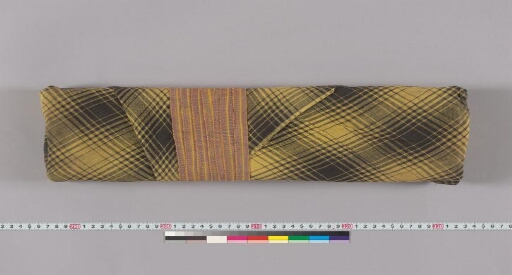
Saddharmapuṇḍarīkasūtra
matsunami_415 Language : Sanskrit Scripts : Nepālākṣara
This manuscript contains the Lotus Sūtra (Saddharmapuṇḍarīka Sūtra), also known as The White Lotus of the Good Dharma, a foundational Mahāyāna scripture attributed to the Buddha Śākyamuni. Delivered on Vulture Peak to a vast assembly of bodhisattvas—including those emerging from beneath the earth—the sūtra teaches the existence of a single, true path to enlightenment. It distinguishes between provisional and ultimate teachings and portrays the Buddha as an eternal being who continues to teach beyond his historical lifetime. Central episodes include the appearance of the long-departed Buddha Prabhūtaratna in a suspended stūpa, into which Śākyamuni enters, signifying the unity of all Buddhas. Especially revered in East Asia, the text emphasizes its own supremacy and the boundless merit gained through devotion to it. (Source: 84000). On each page it is stamped "Belongs to Nudima Nundu."
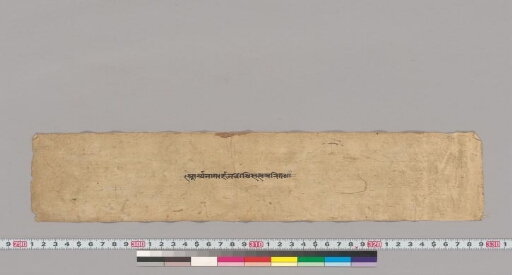
Composite text
matsunami_416 Language : Sanskrit Scripts : Nepālākṣara
This is a composite text, and contains the Saptaśatikā prajñāpāramitā along with a number of other short texts and dhāraṇīs in it. This is a composite manuscript that appears to be a collection of multiple works. The combination of the Saptaśatikā Prajñāpāramitā with a collection of various dhāraṇī texts is a typical feature of such composite manuscripts, as noted by Edward Conze and Francesco Bianchini (see Bianchini’s dissertation, p. 133). While Conze emphasizes the esoteric influence in these texts—particularly the condensation of Prajñāpāramitā (PP) sūtras into dhāraṇīs—Bianchini cautions against conflating the traditions, urging instead that these PP dhāraṇī manuscripts be studied as a distinct genre of “spell literature,” particularly in connection with the Pāla Buddhist period. These collections appear to have been written in Nepal after the 18th century.
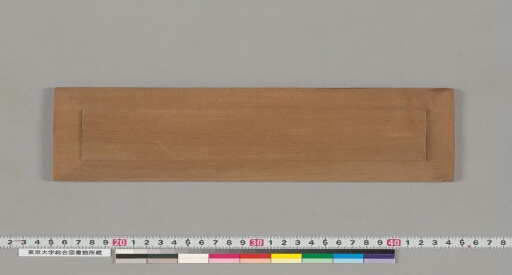
Saptaśatikā prajñāpāramitā
matsunami_417 Language : Sanskrit Scripts : Nepālākṣara
This text belongs to the Prajñāpāramitā (Perfection of Wisdom) class of sūtras, and is composed in seven hundred lines. Matsunami mentions that fols. 1, 37-44 are new papers and newly written.
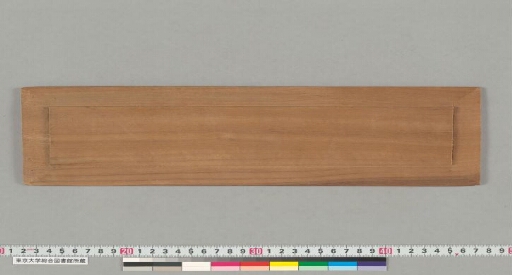
Composite text- Saptaśatikā prajñāpāramitā
matsunami_418 Language : Sanskrit Scripts : Nepālākṣara
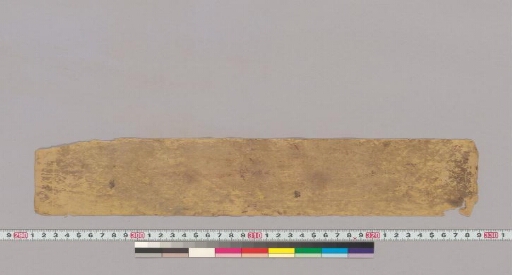
This is a composite manuscript that appears to be a collection of multiple works. The combination of the Saptaśatikā Prajñāpāramitā with a collection of various dhāraṇī texts is a typical feature of such composite manuscripts, as noted by Edward Conze and Francesco Bianchini (see Bianchini’s dissertation, p. 133). While Conze emphasizes the esoteric influence in these texts—particularly the condensation of Prajñāpāramitā (PP) sūtras into dhāraṇīs—Bianchini cautions against conflating the traditions, urging instead that these PP dhāraṇī manuscripts be studied as a distinct genre of “spell literature,” particularly in connection with the Pāla Buddhist period. These collections appear to have been written in Nepal after the 18th century.This text belongs to the Prajñāpāramitā (Perfection of Wisdom) class of sūtras, and is composed in seven hundred lines. It runs from fol. 2b5 to fol 41b4. There is a picture of a 12 armed goddess on fol. 1-b.
Composite text
matsunami_419 Language : Sanskrit Scripts : Nepālākṣara
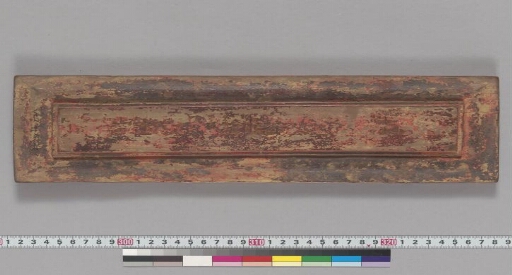
This is a composite manuscript that appears to be a collection of multiple works. The combination of the Saptaśatikā Prajñāpāramitā with a collection of various dhāraṇī texts is a typical feature of such composite manuscripts, as noted by Edward Conze and Francesco Bianchini (see Bianchini’s dissertation, p. 133). While Conze emphasizes the esoteric influence in these texts—particularly the condensation of Prajñāpāramitā (PP) sūtras into dhāraṇīs—Bianchini cautions against conflating the traditions, urging instead that these PP dhāraṇī manuscripts be studied as a distinct genre of “spell literature,” particularly in connection with the Pāla Buddhist period. These collections appear to have been written in Nepal after the 18th century.
Composite text
matsunami_420 Language : Sanskrit Scripts : Nepālākṣara
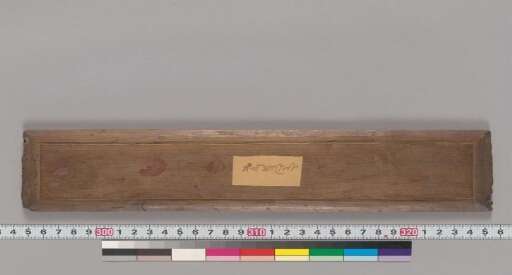
This is a composite manuscript that appears to be a collection of multiple works. The combination of the Saptaśatikā Prajñāpāramitā with a collection of various dhāraṇī texts is a typical feature of such composite manuscripts, as noted by Edward Conze and Francesco Bianchini (see Bianchini’s dissertation, p. 133). While Conze emphasizes the esoteric influence in these texts—particularly the condensation of Prajñāpāramitā (PP) sūtras into dhāraṇīs—Bianchini cautions against conflating the traditions, urging instead that these PP dhāraṇī manuscripts be studied as a distinct genre of “spell literature,” particularly in connection with the Pāla Buddhist period. These collections appear to have been written in Nepal after the 18th century.This composite manuscript primarily comprises of two sections, the first Saptaśatikā Prajñāpāramitā with 3 dhāraṇī texts and the second section, being a collection of various dhāraṇīs. Section I begins with the Saptaśatikā Prajñāpāramitā along with its introduction (fols. 1b1–37b3), followed by the Vajrasattvakāyebhyaha tathāgata-vyāpta-śata (fols. 37b4–39a4), the Vajrasattvanāmahṛdaya (fols. 39a4–39a6), and the Vairocana-dhāraṇī (fols. 39b1–39b5). The foliation is marked on the right-hand margin and corner but shows inconsistencies beginning after fol. 5; notably, the bottom left corner of fol. 5 is torn. From section II onward, Matsunami has divided the manuscript into subsections II–XXII, beginning with the Ugratārā Dhāraṇī (fols. 1a1–a4) and concluding with what appears to be a single leaf titled “Grahā,” likely referring to the Grahāmātṛkā Dhāraṇī. Each subsection is separated by small inserted paper slips and contains a collection of dhāraṇīs, often accompanied by short stotras and stavas. Approximately 120 dhāraṇīs and stotras are documented in this portion of the manuscript, as recorded in Matsunami’s Notebook 18 (p. 64 ff.) and Notebook 32 (p. 7 ff.), which also detail missing folia and the numbering of texts. Although the core documentation ends around 50 dhāraṇīs, the final folios—despite being jumbled, damaged, and incomplete—contain dhāraṇīs numbered well beyond 200, indicating a much larger collection. Front and back wooden covers illustrated beautifully with Buddhist deities.
Composite text- Saptaśatikā prajñāpāramitā and Dhāraṇīs
matsunami_421 Language : Sanskrit Scripts : Newari
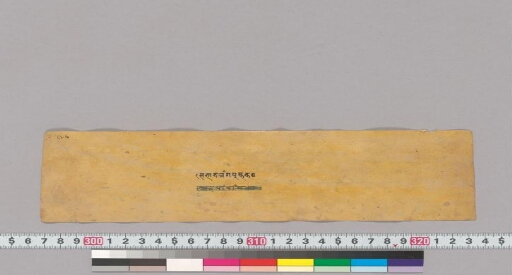
This composite manuscript comprises a collection of works, primarily Prajñāpāramitā and dhāraṇī texts, compiled into a single codex or grouped from originally separate manuscripts. Multiple scribal hands can be discerned from notable differences in handwriting and ink quality, ranging from fine lines to bold, thick, black script. The integration of the Saptaśatikā Prajñāpāramitā with a series of dhāraṇīs is characteristic of such composite manuscripts, a feature noted by both Edward Conze and Francesco Bianchini (see Bianchini 2011, p. 133). While Conze highlights the esoteric character of these compilations—especially the transformation of extended Prajñāpāramitā sūtras into dhāraṇī form—Bianchini urges a methodological distinction, proposing that these manuscripts be studied as a unique corpus of Prajñāpāramitā “spell literature,” particularly in relation to Pāla-period Buddhism. This manuscript appears to have been produced in Nepal after the 18th century. The manuscript begins with the Saptaśatikā Prajñāpāramitā (fols. 1–57b2), a Perfection of Wisdom text composed in 700 lines. It is followed by the following dhāraṇīs: Prajñāpāramitādhāraṇī (fols. 57b2–58a1) Ārya-Pītavarṇa-dhāraṇī (fols. 58a1–58b5) Āryaprajñāpāramitādhāraṇī (fols. 59a1–59a5) Ṣaṭpāramitāhṛdaya (a dhāraṇī on the six pāramitās, fols. 59b1–60b2) Āryāparimitāyur-dhāraṇī (fols. 60b2–73a1) Yakṣāṣṭaka (fols. 73a2–74a2) Jambharajanendradhāraṇī (fols. 74a2–75a1) Vasudhārādhāraṇī (fols. 75a2–84b5; text appears incomplete) A paper insertion titled Section II follows: Vasudhārāṣṭotra (fols. 179–180b3) Vajravidāraṇa-hṛdayamantra (fols. 180b3–184b2) Gaṇapatihṛdaya (fols. 184b4–186b2) Sarvatathāgatoṣṇīṣavijayādhāraṇī (fols. 186b3–189b2) Pañcaviṃśatikā Prajñāpāramitādhāraṇī (fols. 189b3–202b5) Section III begins with a folio (174a) featuring astrological diagrams, suggesting it may be part of an astral or calendrical treatise. Matsunami records the Sarvadurgatipariśodhanadhāraṇī in this section as running from fols. 147–159, although the visible portion begins at fol. 174b. This section appears to follow a dual foliation system. Also included are: Sītātapatrādhāraṇī (16 leaves, fols. 147–162) Dhvajāgrakeyurādhāraṇī (3 leaves, fols. 133–135) A single leaf of the Pañcarakṣā (p. 146)
Sabhātaraṅgapustaka
matsunami_422 Language : Sanskrit Scripts : Nepālākṣara
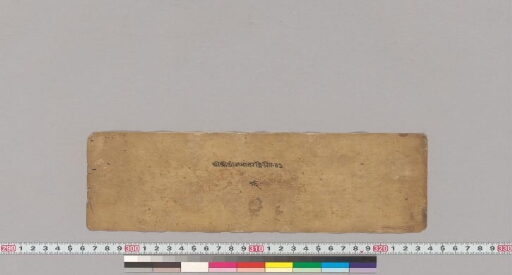
This manuscript titled Sabhātaraṅgapustaka spans folios 1b to 17b and corresponds to folios 53a2 to 67b6 of manuscript no. 423, a larger work titled Sabhātaraṅgiṇī. The Sabhātaraṅgiṇī, also known as Sabhātaraṅga, is a Sanskrit literary work attributed to Jagannāthamiśra, a member of the Rāḍhī family and descendant of Lakṣmaṇamiśra and Vedamiśra. It is dated to around 1600 CE, though a manuscript colophon suggests a compilation date of 1516 CE. The text is structured into sections called taraṅgas (waves) and comprises approximately 350 verses. It explores themes such as the praise of virtue, condemnation of wickedness, descriptions of natural elements like the bhramara (bee), cātaka (rainbird), and the moon, as well as critiques of social issues like poverty and begging. (NCC)
Sabhātaraṅgiṇī
matsunami_423 Language : Sanskrit Scripts : Devanāgarī
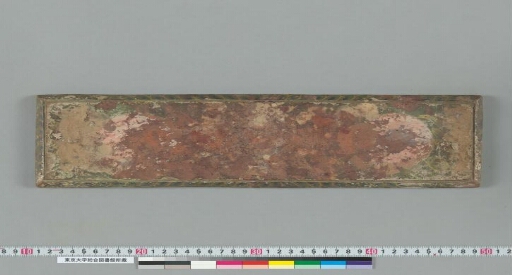
The Sabhātaraṅgiṇī, also known as the Sabhātaraṅga, is a Sanskrit literary work attributed to Jagannāthamiśra, a member of the Rāḍhī family and descendant of Lakṣmaṇamiśra and Vedamiśra. While it is generally dated to around 1600 CE, a manuscript colophon indicates a compilation date of 1516 CE. The text is organized into sections called taraṅgas (“waves”) and comprises approximately 350 verses. This work explores a range of themes, including the praise of virtue, condemnation of wickedness, migration, eulogies of various social orders such as kāyasthas, brāhmaṇas, and kings. It also features vivid descriptions of elements of nature—such as the bhramara (bee), cātaka (rainbird), and the moon—and critiques of social issues like poverty and begging. (NCC) Through these verses, it gives advice, suggestions and knowledge, like other subhāṣitā anthologies. These various topics are highlighted with red ink. The final folio of the manuscript (fol. 116a) is noted to be flipped. The Sabhātaraṅgiṇī belongs to the tradition of subhāṣitā anthologies and is frequently cited for its pithy aphorisms.
Samādhirājasūtra
matsunami_424 Language : Sanskrit Scripts : Nepālākṣara
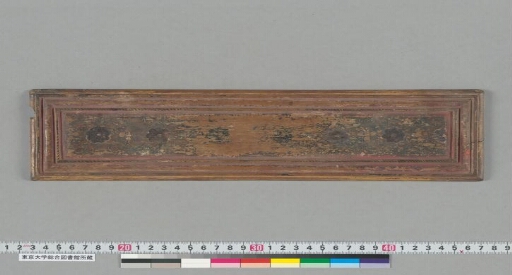
The Samādhirājasūtra (“Sūtra of the King of Samādhis”) is an early Indian Mahāyāna scripture that explores key themes such as emptiness (śūnyatā), bodhisattva conduct, mendicancy, accounts of past lives, and future prophecies. Its teachings on emptiness were widely cited by major figures like Candrakīrti and Śāntideva. In this context, samādhi refers not merely to meditative absorption but to a comprehensive spiritual path encompassing ethical conduct, aspiration, and realization; the sūtra enumerates over 300 such qualities (84000). The manuscript opens with an image of Śākyamuni Buddha on the first folio, surrounded by various deities. The front wooden cover bears remnants of a faded painting, while the back slat is adorned with three painted flowers. The preface extends to folio 4a3, after which the sūtra begins with the standard incipit “evaṃ mayā śrutaṃ…” (“Thus have I heard…”). Details regarding the preface, chapter conclusions, lacunae, and the colophon are recorded in Matsunami’s Note Book 3, pp. 9 ff. Matsunami also notes the presence of verses composed in classical Sanskrit meters such as sragdharā, vaṃśasthavilam, and vasantatilakam, and compares several folios of the Newar manuscript with the Chinese translation. After the colophon, the scribe gave a eulogy of the nine forefathers of Devasiṃha and their religious deeds. It seems that the manuscript was produced during the reign of King Gīrvāṇayuddha Vikrama Śāha (1797–1816) of Nepal.
Samādhirājasūtra
matsunami_425 Language : Sanskrit Scripts : Nepālākṣara
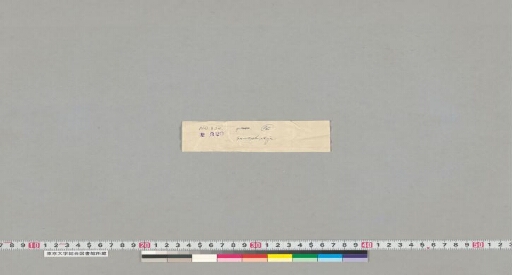
The Samādhirājasūtra (“King of Samādhis Sūtra”) is an early Indian Mahāyāna scripture that addresses themes such as emptiness, bodhisattva conduct, mendicancy, past lives, and future prophecies. Its teachings on emptiness were widely cited by figures like Candrakīrti and Śāntideva. The term samādhi in this context denotes not merely meditative absorption, but a comprehensive path encompassing ethical conduct, motivation, and realization; the sūtra enumerates over 300 such qualities (84000). The top and bottom wooden slats are painted illustration of two dragons each. There is also A picture on fol. 1b. of a 4 headed tantric deity in union with consort, which is striking, given the Mahāyāna theme of the text.
Samādhirājasūtra
matsunami_426 Language : Sanskrit Scripts : Nepālākṣara
The Samādhirājasūtra (“King of Samādhis Sūtra”) is an early Indian Mahāyāna scripture that addresses themes such as emptiness, bodhisattva conduct, mendicancy, past lives, and future prophecies. Its teachings on emptiness were widely cited by figures like Candrakīrti and Śāntideva. The term samādhi in this context denotes not merely meditative absorption, but a comprehensive path encompassing ethical conduct, motivation, and realization; the sūtra enumerates over 300 such qualities (84000). This text seems to be written by different scribes, given the shift in handwriting in the earlier folia. In the middle of the manuscript, the writing is compact and condensed running around the right margins.