
Manuscripts
Search Filter
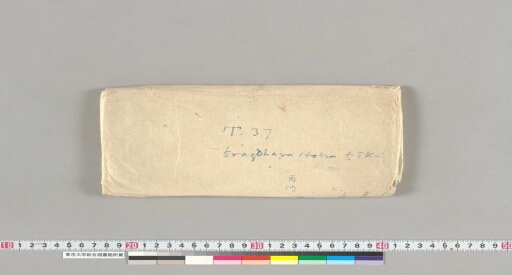
Sragdharāṭīkā
matsunami_391 Language : Sanskrit Scripts : Nepālākṣara
The Sragdharāṭīkā is a Sanskrit commentary on the Sragdharā Stotra, a hymn dedicated to the goddess Tārā, a revered figure in both Mahāyāna and Vajrayāna Buddhism. The stotra is composed in the Sragdharā metre, a classical Sanskrit poetic metre characterized by lines of 21 syllables and known for its intricate rhythmic structure (Wisdom Library). Each verse is marked by a jyotiścinha (metrical marker) above, indicating the metre. In the NCC Vol. 8 . pg. no. 161 mentions the main text is Sragdharā Stotra by Sarvajñamitra and the commentator is Jinarakṣita but in the manuscript the name of the commentator is not mention on the other hand 392 mss is the same text which mentions the commentators name so we can assumes the text is the same.
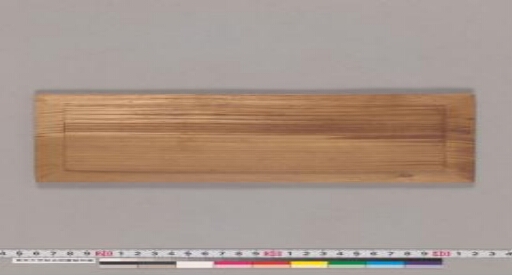
Sragdharāṭīkā
matsunami_392 Language : Sanskrit Scripts : Devanāgarī
The Sragdharāṭīkā is a Sanskrit commentary on the Sragdharā Stotra, a hymn dedicated to the goddess Tārā, a revered figure in Mahāyāna and Vajrayāna Buddhism. This stotra is composed in the Sragdharā metre, a classical Sanskrit poetic metre characterized by lines of 21 syllables, known for its intricate rhythmic structure. (Wisdom Library). This work is attributed to Jinarakṣita, a bhikṣu of the Mahāvihāra of Vikramaśila deva. (Mitra 229).
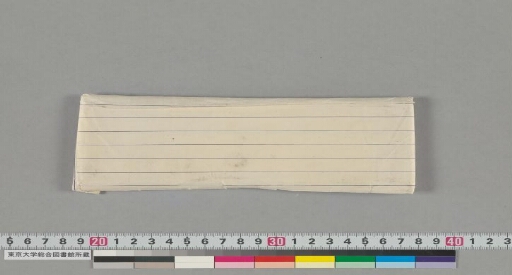
Sragdharāstuti
matsunami_393 Language : Sanskrit Scripts : Nepālākṣara
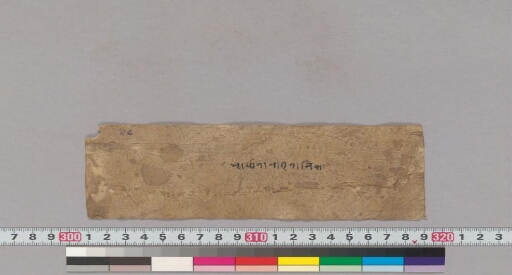
This work is written in the praise of Ārya Tārā. Mss. written on black paper with faded white ink, making it difficult to decipher the lettering.
Sragdharāstuti
matsunami_394 Language : Sanskrit Scripts : Nepālākṣara
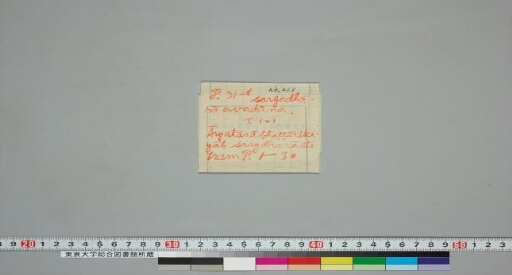
Sragdharāstotra written in black ink with a commentary in red ink. It is a hymn dedicated to the goddess Tārā, a revered figure in Mahāyāna and Vajrayāna Buddhism. This stotra is composed in the Sragdharā metre, a classical Sanskrit poetic metre characterized by lines of 21 syllables, known for its intricate rhythmic structure. (Wisdom Library). This work is attributed to Sarvajñamitra.
Sragdharāstotra
matsunami_395 Language : Sanskrit Scripts : Nepālākṣara
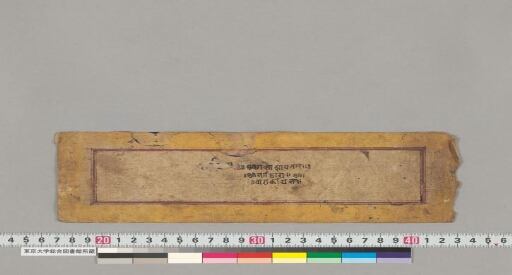
This is the Sragdharāstotra, with a vernacular commentary named Sragdharāvadāna. It is a hymn dedicated to the goddess Tārā, a revered figure in Mahāyāna and Vajrayāna Buddhism. This stotra is composed in the Sragdharā metre, a classical Sanskrit poetic metre characterized by lines of 21 syllables, known for its intricate rhythmic structure. (Wisdom Library). This work is attributed to Sarvajñamitra.
Sragdharāstotra
matsunami_396 Language : Sanskrit Scripts : Devanāgarī
It is a hymn dedicated to the goddess Tārā, a revered figure in Mahāyāna and Vajrayāna Buddhism. This stotra is composed in the Sragdharā metre, a classical Sanskrit poetic metre characterized by lines of 21 syllables, known for its intricate rhythmic structure. (Wisdom Library). There are 37 verses in this text. This work is attributed to Sarvajñamitra. The stotra is written and framed inside a red and black outlined margin.
Lakṣakṣacaityasyopadeśakṛtamāhātmya
matsunami_397 Language : Sanskrit Scripts : Nepālākṣara
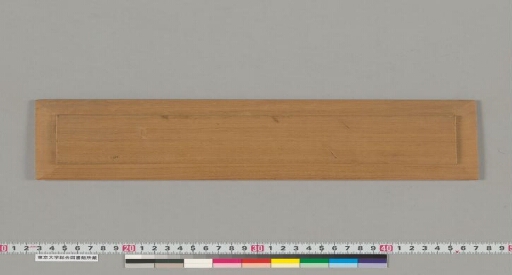
This manuscript contains the second chapter of the Sarvajñamitrāvadāna, which is identified as the Vajrasenāvadāna, as inferred from the reference to CF 434 in this catalogue. Although Matsunami does not explicitly mention this title, he does record a line from the colophon that reads: iti śrī-ghanasya pūrvān(?) suta-lakṣakṣa-caityasyopadeśa-kṛta-māhātme saṃpūrṇam iti. Peter Skilling mentions that the name "Śrīghana" has been widely used in Nepal as an epithet for the Buddha in avadāna literature, meaning "mass of glory"(Random Jottings on Śrighana, Peter Skilling)
Śroṇakoṭikarṇāvadāna
matsunami_398 Language : Sanskrit Scripts : Nepālākṣara
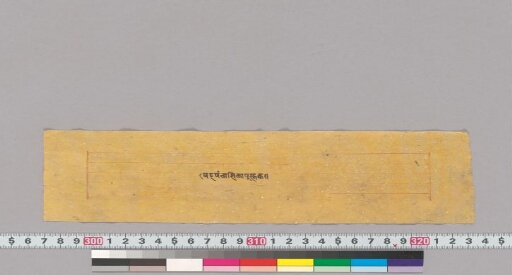
The Śroṇakoṭikarṇāvadāna is the opening narrative of the Divyāvadāna, a Sanskrit anthology of Buddhist avadāna literature. It tells the story of Śroṇakoṭika, a boy born with a jewel in his ear, whose journeys expose him to vivid examples of the workings of karma. Through encounters with various individuals whose fortunes reflect their past actions, the tale conveys karmic causality as a moral and didactic theme. The narrative concludes with Śroṇakoṭika’s return home and his eventual ordination as a bhikṣu (monk).
Ṣaṭpañcāśikā
matsunami_399 Language : Sanskrit Scripts : Devanāgarī
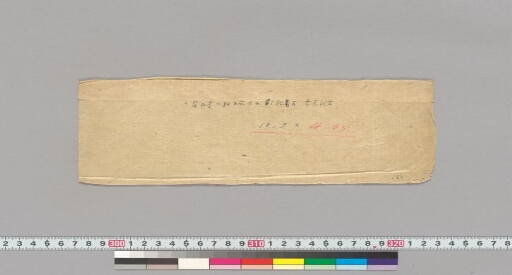
This is a work on astrology by Pṛthuyaśas, son of Varāhamihira. Matsunami mentions that the text ends on fol.7a3 but continues on with 11 more verses on astronomy upto fol.8.
Ṣaṭpañcāśikā with Ṣaṭpañcāśikāṭīkā
matsunami_400 Language : Sanskrit Scripts : Nepālākṣara
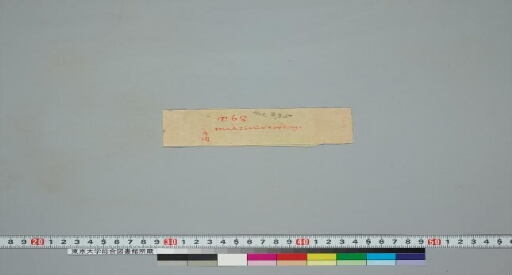
The principal text is the Ṣaṭpañcāśikā by Pṛthuyaśas, the son of Varāhamihira. It is accompanied by a commentary entitled Ṣaṭpañcāśikāṭīkā, composed by Bhaṭṭotpala. In the manuscript, the root text appears in the central portion of the folios, with Bhaṭṭotpala’s commentary written around it.
Saṃvarodayatantra
matsunami_401 Language : Sanskrit Scripts : Nepālākṣara
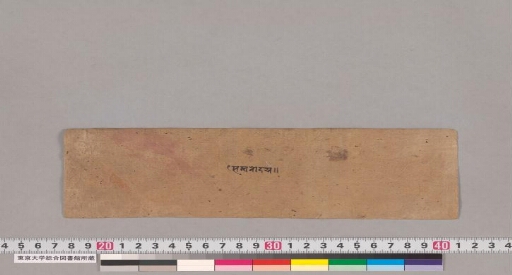
The Saṃvarodayatantra (also known as Saṃvarodaya or Samvarodaya Tantra) is a significant Buddhist tantric text associated with the Cakrasaṃvara cycle, a central tradition within Vajrayāna Buddhism. Comprising 33 chapters, it delves into advanced yogic practices, ritual frameworks, and esoteric teachings. Written in ornate and compact Newari script influenced by Kuṭila. Corrections and annotations made in black ink.
Saṃvarodayatantra
matsunami_402 Language : Sanskrit Scripts : Nepālākṣara
The Saṃvarodayatantra (also known as Saṃvarodaya or Samvarodaya Tantra) is a significant Buddhist tantric text associated with the Cakrasaṃvara cycle, a central tradition within Vajrayāna Buddhism. Comprising 33 chapters, it delves into advanced yogic practices, ritual frameworks, and esoteric teachings. Annotations and corrections made all over the mss. There is a ink splatter on 12b.