

Manuscripts
Search Filter
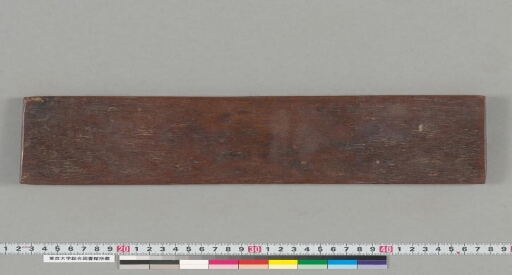
Ratnamālāvadānakathā
matsunami_316 Language : Sanskrit Scripts : Nepālākṣara
"A collection of stories regarding persons who in former times attained Buddhahood. The stories are said to have been related to a saint named Upagupta to the emperor Aśoka." (Mitra, p. 197) This mss. contains 24 stories, out of which the 23rd is missing.
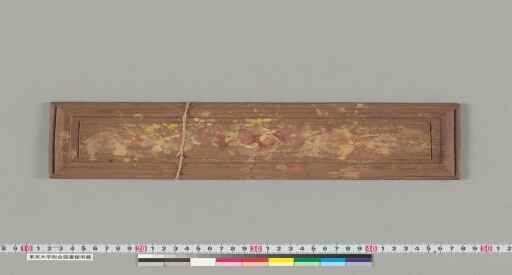
Ratnamālāvadānakathā
matsunami_317 Language : Sanskrit Scripts : Nepālākṣara
"A collection of stories regarding persons who in former times attained Buddhahood. The stories are said to have been related by a saint named Upagupta to the emperor Aśoka." (Mitra, p. 197) This mss. contains 24 stories with fol. 188 missing.
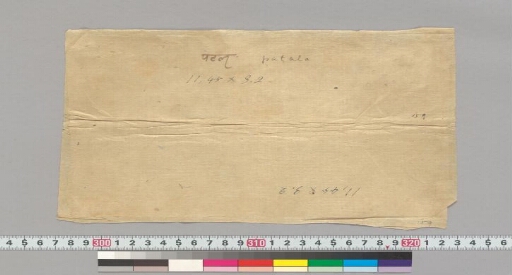
Rasasāra
matsunami_318 Language : Sanskrit Scripts : Nepālākṣara
Govindācārya, the author of Rasasāra, belonged to the Moḍha family and was the son of Śūrāditya and grandson of Sahadeva. He was a disciple of Śrīdhara and Dhīradeva, under whom he studied alchemy (NCC). Rasasāra focuses exclusively on alchemical processes such as jāraṇa, bandha, and vedha (Luminaries of Indian Medicine, p. 77). Matsunami notes that this manuscript consists of 20 chapters and appears to be a compilation of fragments from Govindācārya’s works. Variations in leaf forms suggest that it is not a single, continuous text. Folio 1 may belong to No. 516-III, while folios 5, 24, 25, 30, and 31 are missing.
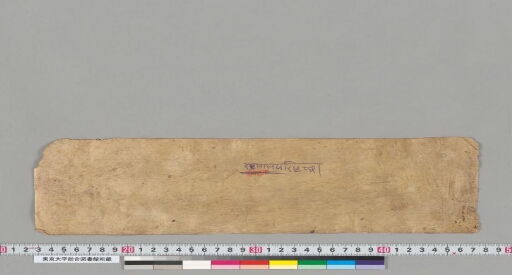
Rāṣṭrapālaparipṛcchā
matsunami_319 Language : Sanskrit Scripts : Nepālākṣara
The Raṣṭrapālaparipṛcchā Sūtra is a Mahāyāna Buddhist scripture included in the Ratnakūṭa (Kāsyapīya) anthology of sūtras. As a paripṛcchā, a text structured around a dialogue, it presents an exchange between the Buddha and the bodhisattva Raṣṭrapāla.
Lakṣacaityabimbakathā
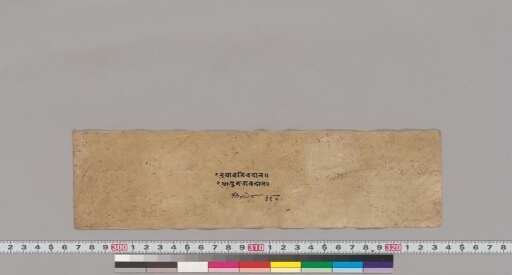
matsunami_321 Language : Sanskrit Scripts : Nepālākṣara
Lakṣacaityabimbakathā is the third chapter of the Sarvajñamitrāvadāna and begins with the frame story of Upagupta and Aśoka.
Lakṣacaityavrataśṛṅgabherīkathā
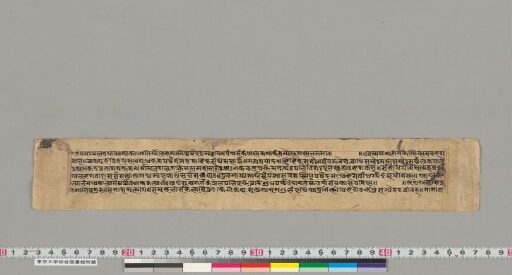
matsunami_322 Language : Sanskrit Scripts : Nepālākṣara
This text is a part of the Citraviṃśatyavadāna and is incomplete since it contains fols. 98–114, Fol. 113 is missing. Ink splatter across fol 118.
Lakṣacaityavrataśṛṅgabherīkathā
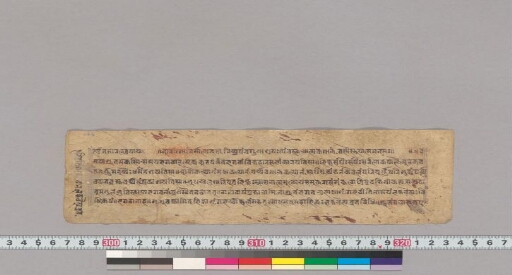
matsunami_323 Language : Sanskrit Scripts : Nepālākṣara
This text is a part of the Citraviṃśatyavadāna.
Lakṣacaityavrataśṛṅgabherīkathā
matsunami_324 Language : Sanskrit Scripts : Nepālākṣara
This text is a part of the Citraviṃśatyavadāna.
Lagnacandrikā
matsunami_325 Language : Sanskrit Scripts : Nepālākṣara
Text on astrology and astronomy. Fols. 26–29, and 32 are missing. Matsunami mentions that at the end of the text, there is an ending sentence "iti majyātiparāyātmajeśvaradaradāsa-viracite muhūrttaratnasaṃvatsara praraṇa samāptam śubh." But this name must be a mistake. We find in the text, the name Lagna-candrikā only. On the fol. 1a2, we find the name of "majotiṣarāyātmajêśvaradāsa-viracite muhūrttaratne saṃvatsaraprakaraṇ," but this must be the end of the prakaraṇa with his name, and moreover the fol. 1 is a newly added one.
Laghujātakavṛtti
matsunami_326 Language : Sanskrit Scripts : Nepālākṣara
Commentary on the Laghu-jātaka of Varāhamihira.
Laṅkāvatārasūtra
matsunami_327 Language : Sanskrit Scripts : Nepālākṣara
The Laṅkāvatārasūtra is a Mahāyāna Buddhist sūtra classified under the Sūtrānta category. It is one of the nine sacred texts of Nepalese Buddhism and consists of ten chapters with approximately 36,000 verses. The sūtra presents a philosophical dialogue between the Buddha and Rāvaṇa in the first chapter, followed by an extended discussion with Mahāmati in chapters two through ten. It is available in Tibetan and three Chinese translations (NCC). The manuscript in question is a fragment, preserved only up to the middle of the second chapter. Each folio bears the inscription sūtrā laṃkā in the corner, and the final folio contains the colophon: iti śrī sūtrā laṃkāratikā mahāyāna bhagavaṃtaṇ sampūrṇa samāptam (Matsunami). Additionally, there appears to be a gap in the text, possibly meant for an illustration on folio 1b.