
Manuscripts
Search Filter
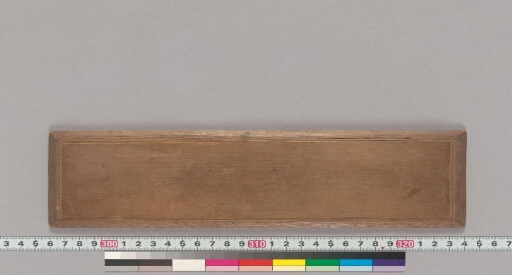
Mānavadharmaśāstra
matsunami_302 Language : Sanskrit Scripts : Nepālākṣara
The Mānavadharmaśāstra or the Manusmṛti is a text attributed to Manu and Bhṛgu on topics of dharma such as rites, duties, virtues, codes of conduct and the varṇa system. This manuscript has slight water damage. Annotations in red ink, written in Newari, appear around the margins. The main text is in Newari, but from folio 24a to 99b, the script shifts to Devanāgarī with a change in handwriting, likely indicating a different scribe, while annotations remain in Newari. At folio 100a, the script returns to Newari. The text comprises twelve chapters (adhyāya), with the final folia listing topics with indices and folio numbers.
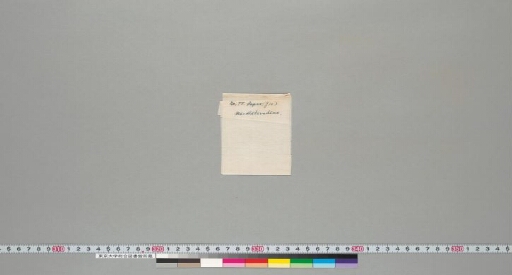
Māndhātāvadāna
matsunami_303 Language : Sanskrit Scripts : Nepālākṣara
Māndhātāvadāna explores the karmic consequences of ambition. King Māndhātā attains miraculous powers through virtuous rule, bringing prosperity to his people. Over time, he becomes consumed by his power and seeks to conquer even the heavens. When he claims Indra’s throne, he is cast down to earth, illustrating the perils of unchecked ambition. The manuscript has slight water damage. Annotations in red ink, written in Newari, appear around the margins. The main text is in Newari, but from folio 24a to 99b, the script shifts to Devanāgarī with a change in handwriting, likely indicating a different scribe, while annotations remain in Newari. At folio 100a, the script returns to Newari. The text comprises twelve chapters (adhyāya), with the final folia listing topics with indices.
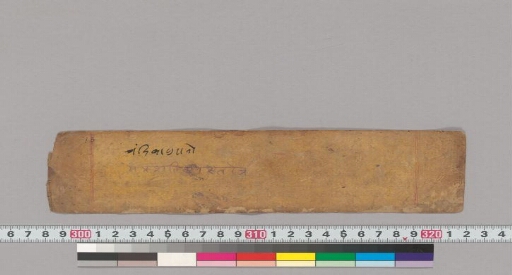
Mārkaṇḍeyapurāṇa
matsunami_304 Language : Sanskrit Scripts : Nepālākṣara
This mss. is a part of the Mārkaṇḍeyapurāṇa, a text which has multiple chapters in the form of poetic verse and praise meters and concerns different topics related to Hindu mythology, rites, and ceremonies, especially that related to the deity Viṣṇu (especially his form as Nārāyaṇa), but includes sections dedicated to other gods as well. Folio 2 is torn and damaged on the right, fol. 3 has a hole. Fols. 14, 18–38 and 61 are missing.
Item 0- Mukhākhyāna
matsunami_305 Language : Sanskrit Scripts : Nepālākṣara
Said to be a collection of works which originated from Nepal and are also attributed to Buddhist tantric author Buddhaśrījñānapāda. Same work is known under the name of Mukhāgama, Mukhāmnāya. (See Peter D Szanto) Alex von Rospatt mentions that the Mukhākhyāna genre of literature is a series of instructional texts (deguli in Newari) which outline how a tantric practictioneris to perform deity yoga (devatāyoga) in order to generate himself as his chosen awakened deity, through complex processes of visualization that include the elaborate use of mantras and hand gestures (mudrā)." (Local Literatures: Nepal, p. 824). In this mss. fols 53, 67, 68, 69 and 70 are missing.
Muhūrtacintāmaṇi with Pramitākṣarā ṭīkā
matsunami_306 Language : Sanskrit Scripts : Nepālākṣara
Contains the Pramitākṣarā commentary with the main text Muhūrtacintāmaṇi. "Manuscript is used for consultation and study and is a manual and treatise on divination and reading the signs of planetary movement within the context of Hindu astrology and astronomy; makes predictions about the upcoming year related to various aspects of human life. There are tables of numbers and characters related to the planets throughout the manuscript." (Penn, https://openn.library.upenn.edu/Data/0002/html/mscoll390_item1818.html ) Last few folios after colophon have an index of contents in the mss with page numbers.
Mṛtyuvañcanopadeśa
matsunami_308 Language : Sanskrit Scripts : Nepālākṣara
"The Mṛtyuvañcanopadeśa is a learned anthology of rites to cheat death once its signs have been perceived." (Péter Dániel Sźantó in Śaivism and the Tantric Traditions https://brill.com/display/book/edcoll/9789004432802/BP000010.xml?language=en )
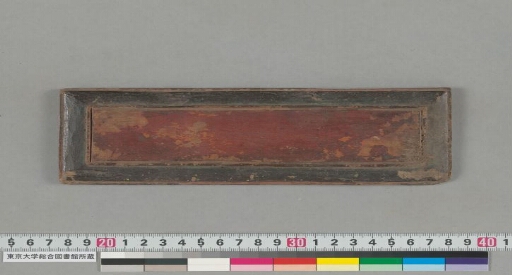
Yogāmbarāvidhi
matsunami_310 Language : Sanskrit Scripts : Nepālākṣara
Yogāmbarāvidhi is a tantric ritual text extracted from the Ātmapiṭha of Catuḥpīṭha Bṛhatmahātantra. The Catuḥpīṭha is a yoginītantra comprising four subchapters, centered on a pantheon of 13 goddesses led by Jñānaḍākinī, whose consort is Yogāmbara. The Yogāmbarasādhanavidhi, a satellite text of the Catuḥpīṭha, is attributed to Jagadānandajīvabhadra (fl. 14th c. CE) and is the most widely circulated ritual manual of Yogāmbara in Nepal. In this mss, folia 1–24 are newly written, and the rest of the mss. is old. (Selected Chapters from the Catuṣpīṭhatantra by Peter Daniel Szanto, 6–17)
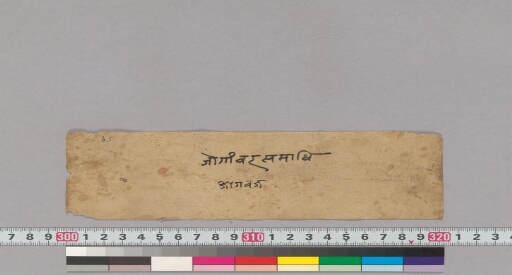
Yogāmbarāvidhi
matsunami_311 Language : Sanskrit Scripts : Nepālākṣara
This is a tantric ritual text extracted from the Catuḥpīṭha Bṛhatmahātantra, containing the first section of the Ātmapiṭha ritual. The Catuḥpīṭha is a yoginītantra comprising of four subchapters, centered on a pantheon of 13 goddesses led by Jñānaḍākinī, whose consort is Yogāmbara. The Yogāmbarasādhanavidhi, a satellite text of the Catuḥpīṭha, It is attributed to Jagadānandajīvabhadra (fl. 14th c. CE) and is the most widely circulated ritual manual of Yogāmbara in Nepal. In this mss, folia 1–24 are newly written, and the rest of the mss. is old. Incomplete mss. A tantric ritual text, containing the Ādiyoga samādhi (See fol. 10a5). (Selected Chapters from the Catuṣpīṭhatantra by Peter Daniel Szanto, 6–17)
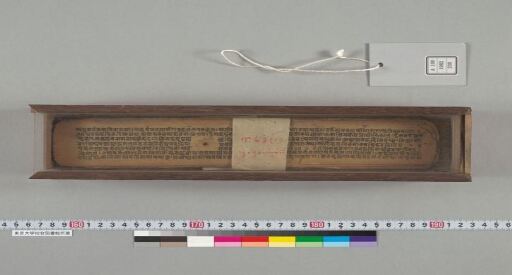
Yogāmbarīsādhanaratnamālā
matsunami_312 Language : Sanskrit Scripts : Nepālākṣara
This manuscript contains the Yogāmbarīsādhanaratnamālā, along with a fragment of another tantric work and a Yogāmbarārādhana fragment. The Ratnamāla is considered one of its satellite texts of the Catuḥpīṭha, a yoginītantra comprising four subchapters, centered on a pantheon of 13 goddesses led by Jñānaḍākinī, whose consort is Yogāmbara.
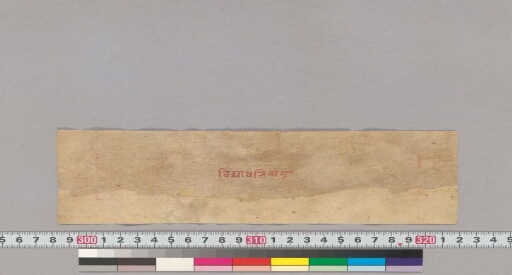
Yoginīvijayādhāraṇī
matsunami_314 Language : Sanskrit Scripts : Nepālākṣara
A dhāraṇī text dedicated to Yoginīvijaya whose colophon mentions "sarvva-rogaṃ praśāmyanti dīrghāyuś ca pralabhyate" indicating that all diseases are pacified and long life is obtained.
Raghuvaṃśa
matsunami_315 Language : Sanskrit Scripts : Nepālākṣara
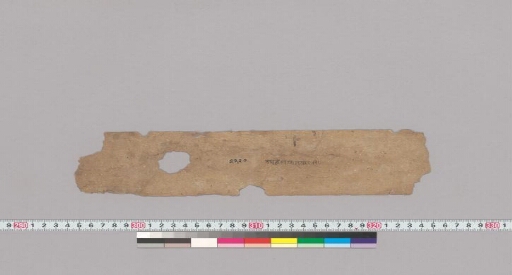
This text is a mahākāvya written by the great poet Kālidāsa. It begins with an invocation to Śiva-Parvati and describes the line of kings of the Raghu dynasty (also known as the sūryavaṃśa or the solar dynasty) that includes Raghu. Fol. 1 is heavily damaged, fol. 2 is missing. Text is annotated in some places in red and in some black ink.