
Manuscripts
Search Filter
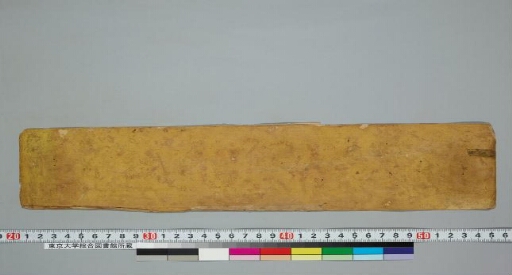
Vajravārāhīkalpa
matsunami_40 Language : Sanskrit Scripts : Nepālākṣara
This is a Buddhist Tantra text dedicated to the fierce deity Vajravārāhī. This manuscript contains 35 chapters (paṭala). This text considers itself the Mahātantrarāja. A beautiful illustration of the goddess Vajravārāhī is depicted on the first folio of the manuscript.
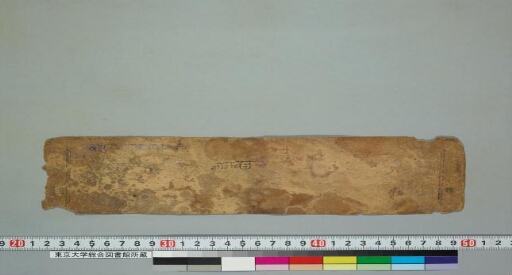
Aśvaghoṣāvadāna
matsunami_41 Language : Sanskrit Scripts : Nepālākṣara like Kuṭila
This is a vrata text praising the Buddhist goddess Vasundhārā (or Vasudhārā). She is the goddess of both wealth and prosperity, and this text describes the positive impact of the Vasudhārā vrata. It seems that the text is a part of the Aśvaghoṣāvadāna. This manuscript contains an unknown a commentary in Newari language. This is the same text as Sl.No. 38 and 39.
Aṣṭamīvratamāhātmyakuśāvadāna
matsunami_42 Language : Sanskrit Scripts : Nepālākṣara
This text is a part of the Vīrakuśāvadāna and describes the story of King Subandhu, who has no children, and how he became the father of a son born from a sugarcane plant due to his observance of the Aṣṭamīvrata. It also recounts the story of King Vīrakuśa and how he attained salvation by observing the Aṣṭamīvrata. The text highlights the benefits of the vrata. It seems that Upagupta, the well-known Buddhist monk, narrates the story to King Aśoka.
Asṭasāhasrikā Prajñāpāramitā
matsunami_43 Language : Sanskrit Scripts : Siddham (Kuṭila)
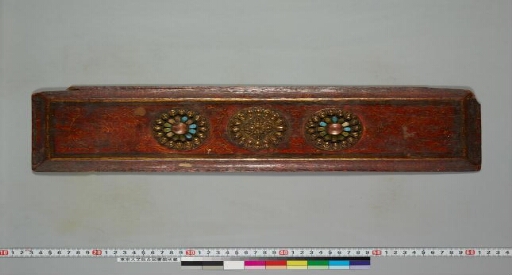
This is a Mahāyānasūtra text that contains 32 chapters, discussing the Buddhist concept of wisdom (Prajñā), the advantages of studying the text, and the possible obstacles in acquiring knowledge. It also describes the difficulties of finding a good teacher and a trained disciple (P.L. Vaidya, 1960. p. XX). This text holds immense significance in shaping the development of both the Mādhyamaka and Yogācāra schools of thought. Written in gold letters. Each of both the wooden plates is decorated with three padma-cakras and a picture of the life of the Buddha and the Bodhisattvas. The first leaf b-side has a picture of Śākyamuni, 2-a has a picture of Prajñāpāramitā, 114-b has that of Saṃvara(?), 115-a has that of Vajrajo ......, and 230-b has that of Mañjuśrī (Matsunami, 1965. p. 20). Though the image on folio 115a is a bit illegible, it may still be possible to read the goddess's name as Vajrajo[gīnī]. Additionally, folio 230a contains an image of Maitrī (Maitreya). Also the Padmacakras on the wooden plates are decorated with gems. In the colophon, the manuscript mentions the name of King Vīra Mahendra Malla, who ruled over the Patan area from 1709 to 1715 CE. It appears that Amṛta Siṃha ordered the production of this manuscript to be donated to the monastery for the wellbeing of himself and his family. It also mentions the name of the scribe Vajrācārya Vijayacandra, who belongs to Śrīkhaṇḍa Tarumūla Mahāvihāra, Kathmandu.
Asṭasāhasrikā Prajñāpāramitā
matsunami_44 Language : Sanskrit Scripts : Nepālākṣara
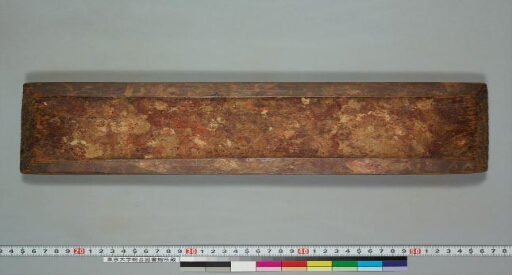
This is a Mahāyānasūtra text that contains 32 chapters, discussing the Buddhist concept of wisdom (Prajñā), the advantages of studying the text, and the possible obstacles in acquiring knowledge. It also describes the difficulties of finding a good teacher and a trained disciple (P.L. Vaidya, 1960. p. XX). This text holds immense significance in shaping the development of both the Mādhyamaka and Yogācāra schools of thought. The first folio has a picture of the Prajñāpāramitā. The last paper is later adition (Matsunmi, 1965. pp. 20-21). It could be possible that the image on the first folio is a depiction of Avalokiteśvara.
Aṣṭasāhasrikā Prajñāpāramitā
matsunami_45 Language : Sanskrit Scripts : Siddham (Kuṭila)
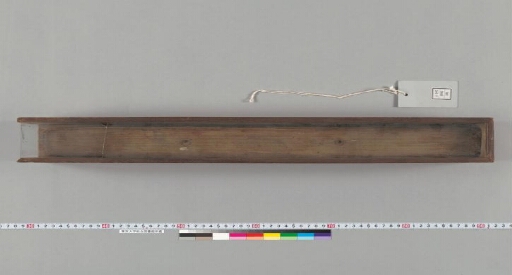
This is a Mahāyāna sūtra text that contains 32 chapters discussing the Buddhist concept of wisdom (Prajñā), the advantages of studying the text, and the possible obstacles in acquiring knowledge. It also describes the difficulties of finding a good teacher and a properly trained disciple (P. L. Vaidya, 1960, p. XX). This text holds immense significance in shaping the development of both the Mādhyamaka and Yogācāra schools of thought. Although it appears that Chapters 29, 30, and part of Chapter 32 are missing from this manuscript, the manuscript seems to include an end folio from a different manuscript. Images 181 to 192 show two different ending sections from two separate manuscripts. The wooden covers are colorfully illustrated with scenes from the Buddha’s life and images of Bodhisattvas. The illustrations on the folia (Images 185 and 187) depict Jātaka stories. Two different colophons contain the names of two donors: one is a male donor, probably the bhikṣu Rāṇakaśrī Saṅghapālita, and the other is a female donor named Virokā (or Virokāyā?), probably a bhikṣuṇī. Historically, this manuscript appears to be one of the oldest copies of the Aṣṭasāhasrikā Prajñāpāramitā. The two colophons mention the names of two Pāla kings: Nayapāladeva and Vigrahapāladeva. Nayapāladeva ruled from 1027 to 1043 CE, and the Vigrahapāladeva mentioned here is most likely Vigrahapāladeva III, who ruled from 1043 to 1070 CE. The first colophon (Image 183) mentions the 14th regnal year of Nayapāladeva (Śrīmannayapāladevapravardhamānakalyāṇavijayarājyasaṃvatsare caturdaśame…). If the year mentioned in the colophon is correct, the manuscript would date to 1041 CE, making it one of the earliest surviving copies of the text. This colophon also mentions the name of the scribe, Varaṇī, who resided in Nalanda.
Aṣṭasāhasrikā Prajñāpāramitā
matsunami_46 Language : Sanskrit Scripts : Nepālākṣara
This is a Mahāyānasūtra text that contains 32 chapters, discussing the Buddhist concept of wisdom (Prajñā), the advantages of studying the text, and the possible obstacles in acquiring knowledge. It also describes the difficulties of finding a good teacher and a trained disciple (P.L. Vaidya, 1960. p. XX). This text holds immense significance in shaping the development of both the Mādhyamaka and Yogācāra schools of thought. This manuscript contains chapter 1 and 3 out of 32. Folio 1b and 2a are illustrated with two Buddhist images (image 4).
Aṣṭasāhasrikā Prajñāpāramitā
matsunami_47 Language : Sanskrit Scripts : Siddham (Kuṭila)
This is a Mahāyānasūtra text that contains 32 chapters, discussing the Buddhist concept of wisdom (Prajñā), the advantages of studying the text, and the possible obstacles in acquiring knowledge. It also describes the difficulties of finding a good teacher and a trained disciple (P.L. Vaidya, 1960. p. XX). This text holds immense significance in shaping the development of both the Mādhyamaka and Yogācāra schools of thought.
Aṣṭasāhasrikā Prajñāpāramitā
matsunami_48 Language : Sanskrit Scripts : Nepālākṣara and Siddham (Kuṭila)
This is a Mahāyānasūtra text that contains 32 chapters, discussing the Buddhist concept of wisdom (Prajñā), the advantages of studying the text, and the possible obstacles in acquiring knowledge. It also describes the difficulties of finding a good teacher and a trained disciple (P.L. Vaidya, 1960. p. XX). This text holds immense significance in shaping the development of both the Mādhyamaka and Yogācāra schools of thought. It appears that this manuscript includes the first three folia, which are written on paper in Newari script, while the remainder of the manuscript is inscribed in the Siddham (Kuṭila) script on palm leaves. The paleography and materials indicate that this portion of the manuscript is exceptionally old. Although the manuscript is incomplete, it is plausible that manuscript no. 45 contains one folio from this text, which likely corresponds to image 183 in manuscript no. 45. If this hypothesis is correct, it could represent one of the oldest extant manuscripts of the Aṣṭasāhasrikā Prajñāpāramitā, as the folio bears the name of King Nayapāladeva and notes that the manuscript was created during his reign in Nalanda.
Aṣṭasāhasrikā Prajñāpāramitā
matsunami_49 Language : Sanskrit Scripts : Siddham
This is a Mahāyānasūtra text that contains 32 chapters, discussing the Buddhist concept of wisdom (Prajñā), the advantages of studying the text, and the possible obstacles in acquiring knowledge. It also describes the difficulties of finding a good teacher and a trained disciple (P.L. Vaidya, 1960. p. XX). This text holds immense significance in shaping the development of both the Mādhyamaka and Yogācāra schools of thought. This manuscript depicts three Padmacakras on folio 270a and another one on 270b.
Aṣṭasāhasrikā Prajñāpāramitā
matsunami_50 Language : Sanskrit Scripts : Siddham (Kuṭila)
This is a Mahāyānasūtra text that contains 32 chapters, discussing the Buddhist concept of wisdom (Prajñā), the advantages of studying the text, and the possible obstacles in acquiring knowledge. It also describes the difficulties of finding a good teacher and a trained disciple (P.L. Vaidya, 1960. p. XX). This text holds immense significance in shaping the development of both the Mādhyamaka and Yogācāra schools of thought. The pagination of 188 is missed out. Fols. 125~131 (7 leaves) are missing. two folia (image 262 and 263) belonging to a Ms. of other prajñāpāramitā-sūtra (Matsunami, 1965. p. 23). These two folia are part of the post-colophon of another Prajñāpāramitā-sūtra manuscript, dated Saṃvat 970, which is probably the Nepal Saṃvat. This indicates that the second manuscript is from a later period, belonging to 1849 CE.
Asṭasāhasrikā Prajñāpāramitā
matsunami_51 Language : Sanskrit Scripts : Nepālākṣara
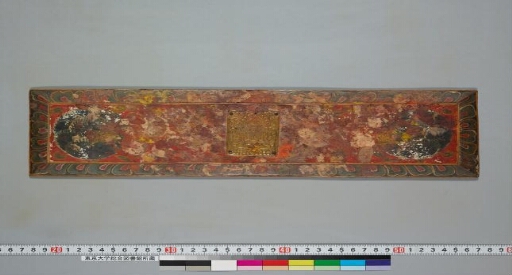
This is a Mahāyānasūtra text that contains 32 chapters, discussing the Buddhist concept of wisdom (Prajñā), the advantages of studying the text, and the possible obstacles in acquiring knowledge. It also describes the difficulties of finding a good teacher and a trained disciple (P.L. Vaidya, 1960. p. XX). This text holds immense significance in shaping the development of both the Mādhyamaka and Yogācāra schools of thought. "Not good Ms. There is a brass plate with a picture of Prajñāpāramitā(?) on the wooden plate. On the other side of the wooden plate is written "Prajñāpāramitāya nirvikalpa namas tubhyam Prajñāpāramite miti." on the first page" (Matsunami, 1965. p. 23). It seems that in the post-colophon section, this manuscript mentions a person named Śrī Devasiṃha and his genealogy, including references to Jñānasiṃha and Dhanadeva as his descendants. The post-colophon section of the manuscript is incomplete.