

Manuscripts
Search Filter
Ekallavīraśrīcaṇḍamahāroṣaṇatantra
matsunami_64 Language : Sanskrit Scripts : Nepālākṣara
A Buddhist Tantra text, composed around the 11th century, consisting of 25 chapters (paṭalas). The text discusses various Tantric practices, the philosophy of Buddhist Tantra, mantras, magical rites and rituals, and many other topics. The text is composed in the form of a dialogue between Vajrasattva and his consort Vajradhātvīśvarī. "Fol. 1-b has a picture of Acala(?). Two leaves with fol. no.36, and with fol. no.85. The pagination of 86 is missed out." (Matsunami, 1965. p. 28).
Ekallavīraśrīcaṇḍamahāroṣaṇatantra
matsunami_65 Language : Sanskrit Scripts : Nepālākṣara
A Buddhist Tantra text, composed around the 11th century, consisting of 25 chapters (paṭalas). The text discusses various Tantric practices, the philosophy of Buddhist Tantra, mantras, magical rites and rituals, and many other topics. The text is composed in the form of a dialogue between Vajrasattva and his consort Vajradhātvīśvarī.
Ekallavīraśrīcaṇḍamahāroṣaṇatantra
matsunami_66 Language : Sanskrit Scripts : Nepālākṣara
A Buddhist Tantra text, composed around the 11th century, consisting of 25 chapters (paṭalas). The text discusses various Tantric practices, the philosophy of Buddhist Tantra, mantras, magical rites and rituals, and many other topics. The text is composed in the form of a dialogue between Vajrasattva and his consort Vajradhātvīśvarī.
Ekallavīraśrīcaṇḍamahāroṣaṇatantra
matsunami_67 Language : Sanskrit Scripts : Nepālākṣara
A Buddhist Tantra text, composed around the 11th century, consisting of 25 chapters (paṭalas). The text discusses various Tantric practices, the philosophy of Buddhist Tantra, mantras, magical rites and rituals, and many other topics. The text is composed in the form of a dialogue between Vajrasattva and his consort Vajradhātvīśvarī. In the post-colophon, this manuscript documents the name of the owner or possibly the patron who commissioned the creation of this manuscript for his and his family's well-being. The name and family lineage are recorded in the manuscript by the scribe as follows: Bhājukuḍu, his wife Jagalakṣmī, son Bhājunanda, and grandson Sarvānandabhuvanarasiṃha.
Ekallavīraśrīcaṇḍamahāroṣaṇatantra
matsunami_68 Language : Sanskrit Scripts : Nepālākṣara
A Buddhist Tantra text, composed around the 11th century, consisting of 25 chapters (paṭalas). The text discusses various Tantric practices, the philosophy of Buddhist Tantra, mantras, magical rites and rituals, and many other topics. The text is composed in the form of a dialogue between Vajrasattva and his consort Vajradhātvīśvarī. This manuscript is partially damaged by water; parts of the beginning and most of the colophon are illegible.
Ekallavīraśrīcaṇḍamahāroṣaṇatantra
matsunami_69 Language : Sanskrit Scripts : Rañjanā
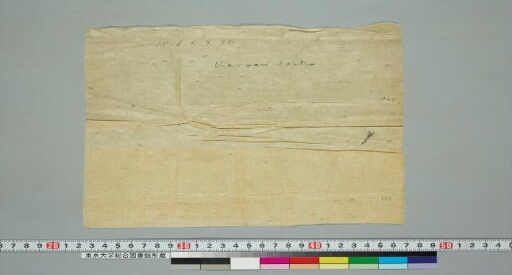
A Buddhist Tantra text, composed around the 11th century, consisting of 25 chapters (paṭalas). The text discusses various Tantric practices, the philosophy of Buddhist Tantra, mantras, magical rites and rituals, and many other topics. The text is composed in the form of a dialogue between Vajrasattva and his consort Vajradhātvīśvarī.
Ekallavīraśrīcaṇḍamahāroṣaṇatantra
matsunami_70 Language : Sanskrit Scripts : Nepālākṣara
A Buddhist Tantra text, composed around the 11th century, consisting of 25 paṭalas (chapters). The text discusses various Tantric practices, the philosophy of Buddhist Tantra, mantras, magical rites and rituals, and many other topics. It is composed in the form of a dialogue between Vajrasattva and his consort Vajradhātvīśvarī. Though this manuscript contains 26 paṭalas (chapters), it repeats the Viśuddhi paṭala twice. The first folio contains three colourful illustrations of Buddhist deities. Matsunami mentions, 'Fol. 1-b has three pictures: of Mahāroṣaṇa, Kṛṣṇācala (?), and one more' (Matsunami, 1965, p. 30). The post-colophon section provides the name and other family details of the donor's family.
Kaṅkirṇahṛdayadhāraṇī
matsunami_71 Language : Sanskrit and Newari Scripts : Nepālākṣara
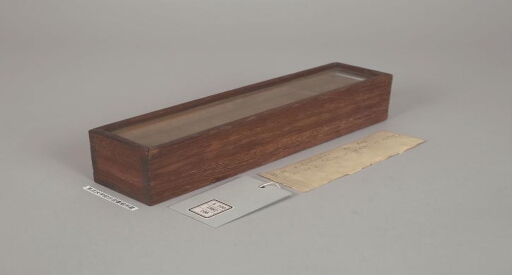
This Buddhist Tantra Dhāraṇī manuscript consists of 103 powerful Dhāraṇīs (mantras), each dedicated to the Buddhist Tantric deity pantheon. The text is meticulously written in black ink for the Sanskrit portion and red ink for the Newari section. Folio 1b features an illustration of a Buddhist deity.
Kaṭhināvadānavyākhyā
matsunami_72 Language : Sanskrit Scripts : Nepālākṣara
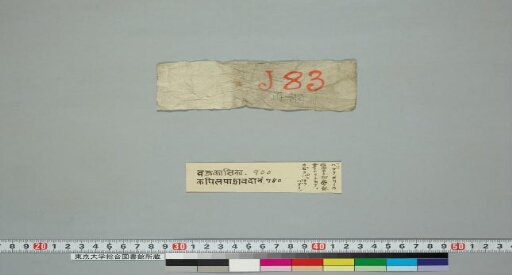
A commentary on the Kaṭhināvadāna, a text that discusses the merits of charity, abstinence, and other virtues during the one-month period of Kaṭhina (Buddhist abstention). During this period, the primary observances include offering gifts to Bhikṣus and reciting stories that extol the virtues of charity. The purpose of the work appears to be to promote confession during Lent (Mitra, 1882, pp. 284-285). After the conclusion of the Kaṭhināvadāna text, it is noted, 'There are two additional leaves, the relationship of which to the manuscript or other manuscripts remains unknown' (Matsunami, 1965, p. 31).
Kapilapātrāvadāna
matsunami_73 Language : Sanskrit Scripts : Nepālākṣara
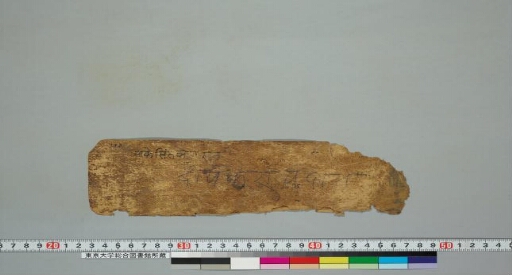
A Buddhist text narrates the story of previous Buddha Dīpaṅkara Buddha. It also discusses Buddhist rituals to praise the Buddhas. This seems to be a rare text.
Kapilapātrāvadāna
matsunami_74 Language : Sanskrit Scripts : Nepālākṣara
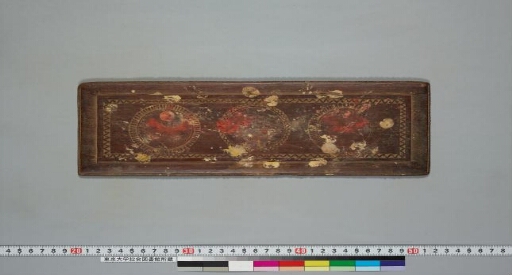
This is a Newari commentary on Kapilapātrāvadāna. 'Kapilapātrāvadāna (A version of °), in śloka form, with a vernacular commentary, incomplete' (Matsunami, 1965, pp. 31-32). The beginning part of this manuscript is the same as Kavikumāra-kathā, R. Mitra's N.B.L., p. 103, but the following differs (Matsunami, 1965, pp. 31-32). It quotes Kaṭhināvadāna on folio 30b.
Kavitāvadāna
matsunami_75 Language : Sanskrit Scripts : Nepālākṣara
The Avadāna text comprises 18 chapters. While Matsunami refers to this text as Kapīśāvadāna, the colophon of the manuscript identifies it as Kavitāvadāna. Kapīśāvadāna contains nine chapters, whereas Kavitāvadāna has 18 chapters, matching the number of chapters in this particular manuscript.