
Manuscripts
Search Filter
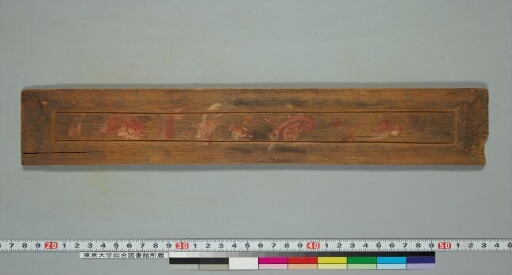
Kapiśāvadāna
matsunami_76 Language : Sanskrit Scripts : Nepālākṣara
An Avadāna text containing nine chapters describes the importance of almsgiving. The text is associated with the previous Buddha, Dīpaṅkara. The story begins in a large assembly of the Buddha's followers, where Śāriputra requests the Lord to pronounce an eulogium on charity. In response, Dīpaṅkara Buddha recounts the story of Tatavīsuta's previous life, when he was born as a monkey named Jñānākara. The story continues with his rebirth as a man named Dharmaśrī, and after that, his next life as Sarvananda, the king of Dīpāvatī, all due to his virtuous conduct. (Mitra, 1882. p.100).
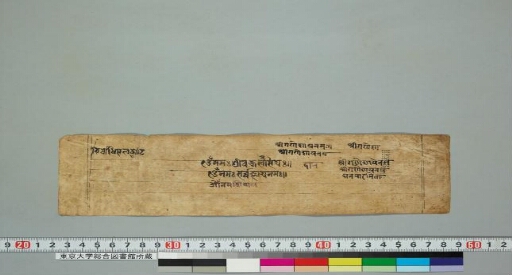
Kapiśāvadāna
matsunami_77 Language : Sanskrit Scripts : Nepālākṣara
An Avadāna text containing nine chapters describes the importance of almsgiving. The text is associated with the previous Buddha, Dīpaṅkara. The story begins in a large assembly of the Buddha's followers, where Śāriputra requests the Lord to pronounce an eulogium on charity. In response, Dīpaṅkara Buddha recounts the story of Tatavīsuta's previous life, when he was born as a monkey named Jñānākara. The story continues with his rebirth as a man named Dharmaśrī, and after that, his next life as Sarvananda, the king of Dīpāvatī, all due to his virtuous conduct. (Mitra, 1882. p.100).
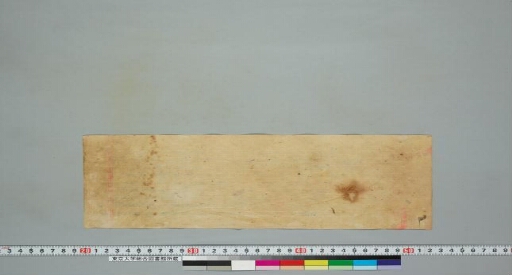
Karuṇāpuṇḍarīka
matsunami_78 Language : Sanskrit Scripts : Devanāgarī
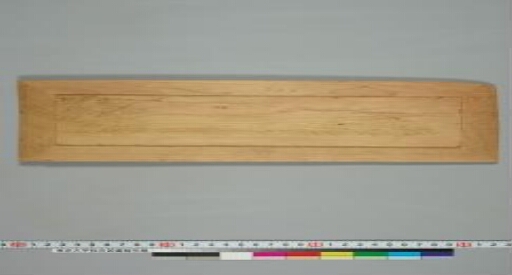
The Mahāyāna-sūtra consists of five chapters, called parivarttas, which describe the continent of Padmadhātu, its king Araṇemi, his priest and 500 sons, as well as its Tathāgata, Ratnagarbha. The text also explores the continent of Padma and the Buddha Padmottara. In addition, it contains numerous stories and legends from the Avadāna tradition. Lord Śākya serves as the primary expounder in the text, responding to the queries of Maitreya and others. This work was translated into Chinese under the title Pei-hwa-king by Dharmarakṣa of the Northern Liang dynasty, circa 502–555. (Mitra, 1882, pp. 285-290).
Kalpadrumāvadāna
matsunami_79 Language : Sanskrit Scripts : Devanāgarī
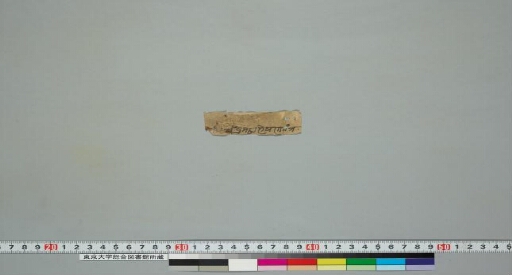
An Avadāna text contains five stories related to the Aśoka-Upagupta chronicles (Mitra, 1882, pp. 292-303). Originally, the text had 26 stories, but this manuscript includes only five of them: Sundarāvadāna (folio 9a), Subhūtibrāhmaṇāvadāna (folio 28a), Bhṛtakapretikāvadāna (folio 33b), Kṛṣṇasarpāvadāna (folio 43b), and Suprabhāvadāna (folio 63a).
Kalparājamahātantra
matsunami_80 Language : Sanskrit Scripts : Nepālākṣara
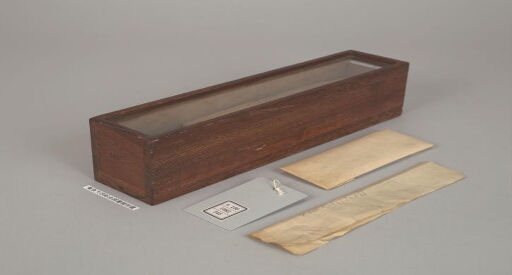
This Buddhist Āgama text comprises 13 paṭalas (chapters), making it a relatively rare text in the Buddhist tradition. The chapters are as follows: Vajrasatvādijñātvāsaṃvegacittaparikṣāsūtrapaṭala (13a); Guhyavajravīrāsinīnāmayoginījālapaṭala (27a); Śrīhevajrabhramaharapaṭala (40b); Śūnyanirmāṇacakrotpatti-paṭala (46a); Mañjuvajrasiddhaguhyakāyotpattipaṭala (54b); Sukhasaṃbhogabodhisādhanapaṭala (63b); Pañcabhūtādimahāmaṇḍalaniṣpannayogapaṭala (71b); Sarvāṅgabhāvanādimāṇḍaleyadevatāpaṭala (80a); Karmabhedavidhānapaṭala (89b); Dānapāramitādisahajodaya-maṇḍalagāthā (96a); Śrīyogāmvarādivajrasatvotpattipaṭala (102a); Mañjuvajrasādhnādimahāguhyarahasyapaṭala (108a); Śrīsamvarodbhavemahāmaṇḍalarājapaṭala (114b).
Kavikalpalatā
matsunami_81 Language : Sanskrit Scripts : Nepālākṣara
An Alaṁkāra text contains four stavakas by Deveśvara, the son of Vāgbhaṭa, who was the prime minister to the king of Mālava. The text serves as a manual for poets, drawing from and borrowing elements of the Kāvyakalpalatā by Arisiṁha and Amaracandra. One of the Samasyā ślokas in the work contains a panegyric for Hammīramahīmahendra, probably identical to the Chauhan prince of that name, circa 1283 A.D. (NCC, Vol. III, p. 270). A fragment consists of four stavakas. The first stavaka has chandābhyāsa and three other chapters, each named kusuma. The second stavaka has uddiṣṭavarṇa and four other chapters. The third stavaka has rājadarśana and five other chapters. The fourth stavaka has arthotpāda and six other chapters (Matsunami, 1965, p. 35). This manuscript contains a fragmented folio of the Tridaśaḍāmaratantra, a Kaula Śaiva tantric text.
Kavikumārakathā
matsunami_82 Language : Sanskrit Scripts : Nepālākṣara
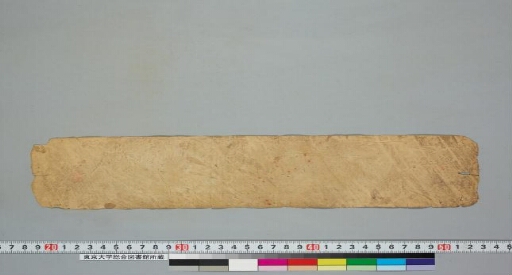
A Jātaka story taken from the Vratāvadānamālā, in which Upagupta tells the story of Prince Kavikumāra to King Aśoka. According to Upagupta’s narration, this story was first told by the Buddha to his followers at Gṛdhrakuṭa mountain. Kavikumāra was one of the past lives of the Buddha. His mother was Sudharmā, who died giving birth to him. Kavikumāra's father was King Satyarata of Kāmpilya, and his chief queen was Lakṣmaṇā. They had been childless for a long time, so the king decided to marry Sudharmā. However, suddenly, Lakṣmaṇā became pregnant and gave birth to Lolamantra. After the death of Satyarata, Lolamantra ascended the throne. But shortly after Sudharmā gave birth to Kavikumāra, who was born with a jeweled cornet on his head. Astrologers warned King Lolamantra that this child could potentially dethrone him. Consequently, Lolamantra sent his soldiers to kill the infant Kavikumāra. However, with the help of a confidant of Satyarata, Sudharmā managed to save him and placed him in the custody of a Kaivartta (fisherman). Years later, the astrologer saw Kavikumāra playing in a field and informed the king. The king sent his army to kill him, but Kavikumāra saved himself. With the help of a Vidyādhara, he learned the science of magic and transformed into the shape of a damsel. He went to the king's court, where the king was enchanted by her beauty and took her to his bedchamber. When the king tried to embrace her, Kavikumāra reverted to his masculine form, killed King Lolamantra, and declared himself the new king. Due to this heinous crime, Kavikumāra was condemned to hell for many thousands of years. The story concludes with how the remnants of that sin caused an injury to the Buddha. (Mitra, 1882, pp. 102-103).
Kavikumārāvadāna
matsunami_83 Language : Sanskrit Scripts : Nepālākṣara
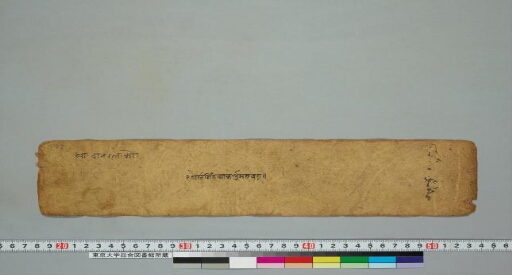
A Jātaka story taken from the Vratāvadānamālā, in which Upagupta tells the story of Prince Kavikumāra to King Aśoka. According to Upagupta’s narration, this story was first told by the Buddha to his followers at Gṛdhrakuṭa mountain. Kavikumāra was one of the past lives of the Buddha. His mother was Sudharmā, who died giving birth to him. Kavikumāra's father was King Satyarata of Kāmpilya, and his chief queen was Lakṣmaṇā. They had been childless for a long time, so the king decided to marry Sudharmā. However, suddenly, Lakṣmaṇā became pregnant and gave birth to Lolamantra. After the death of Satyarata, Lolamantra ascended the throne. But shortly after Sudharmā gave birth to Kavikumāra, who was born with a jeweled cornet on his head. Astrologers warned King Lolamantra that this child could potentially dethrone him. Consequently, Lolamantra sent his soldiers to kill the infant Kavikumāra. However, with the help of a confidant of Satyarata, Sudharmā managed to save him and placed him in the custody of a Kaivartta (fisherman). Years later, the astrologer saw Kavikumāra playing in a field and informed the king. The king sent his army to kill him, but Kavikumāra saved himself. With the help of a Vidyādhara, he learned the science of magic and transformed into the shape of a damsel. He went to the king's court, where the king was enchanted by her beauty and took her to his bedchamber. When the king tried to embrace her, Kavikumāra reverted to his masculine form, killed King Lolamantra, and declared himself the new king. Due to this heinous crime, Kavikumāra was condemned to hell for many thousands of years. The story concludes with how the remnants of that sin caused an injury to the Buddha. (Mitra, 1882, pp. 102-103).
Kātantravyākaraṇa
matsunami_84 Language : Sanskrit Scripts : Nepālākṣara
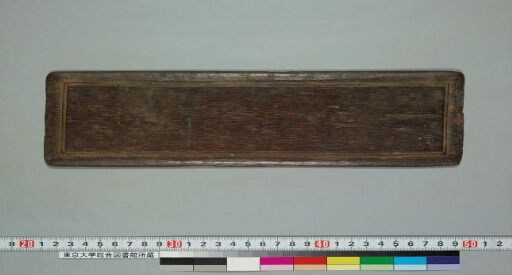
A Kātantravyākaraṇa text by Śarvavarmā, with a commentary named Daurgasiṃhavṛtti by the 8th-century Buddhist grammarian Durgāsiṃha, is considered a key work in the Kātantra tradition. The Kātantra school emerged as a successor to the school of Pāṇini. Śarvavarmā (also known as Śarvavarman), an adversary of Guṇāḍhya, pledged to teach King Śātavāhana the Sanskrit language within six months. He sought the blessing of Subrahmaṇya, who revealed to him a simplified grammar system known as Kātantra, Kālpa, or Kaumdra. This text is dated to the 1st century CE or BCE. The Kātantravyākaraṇa, being more concise than the Aṣṭādhyāyī, consists of four books with 1,400 sūtras, made clearer by the omission of elliptical statements (pratyāhāras) and arranged similarly to the later Kaumudī (Varadachari, 1952, pp. 195-196). The first pāda of the sandhi chapter is incomplete (the text ends abruptly on folio 2b). After 2b, the text suddenly begins with the nāmni catuṣṭaya chapter, with the folio numbers restarting from 1. The manuscript contains five pādas (up to the samāsa pāda) from the nāmni catuṣṭaya chapter.
Subodhinīgaṇaṭippaṇikā
matsunami_85 Language : Sanskrit Scripts : Nepālākṣara
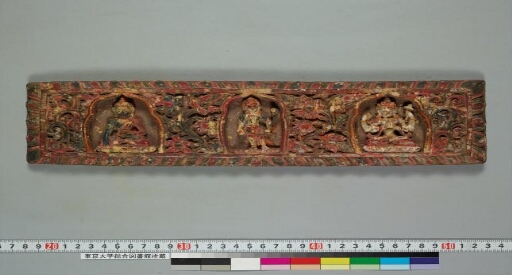
It seems that the text is a commentary (ṭippaṇikā) on Kātantravyākaraṇa by Durgāsiṃha. Matsunami also raised a question regarding the text, as he thinks it could be the Kātantragaṇa-vṛtti, which was composed by Durgāsiṃha on the Kātantra dhātupāṭha of Śarvavarmā. The manuscript ends with the curādi section.
Kāraṇḍavyūhamahāyānasūtraratnarāja
matsunami_86 Language : Sanskrit Scripts : Rañjanā
The Kāraṇḍavyūha is an early Mantrayāna sūtra and the source of the famous mantra Oṃ maṇi padme hūṃ. This sūtra holds particular significance, as the mantra has become central in the Tibetan Buddhist tradition, especially among the lay population. It also chronicles the transformation of Avalokiteśvara into the most prominent figure in the Buddhist pantheon, surpassing all other buddhas, not to mention bodhisattvas. In this sūtra , Avalokiteśvara is described as residing in Sukhāvatī, where he serves as a messenger and gift bearer for Amitābha. In a series of interwoven narratives, the sutra details Avalokiteśvara 's activities across various realms and the infinite realms contained within the pores of his skin. He is also portrayed as superior to all buddhas, creating a paradoxical status where he simultaneously holds both a subservient and dominant role.(Trans. Peter Alan Roberts and Tulku Yeshi, intro). This manuscript written with gold-sand. Folio number begins from 103. Two wooden covers with a relief of Śākyamuni, Avalokiteśvara and other one figure. The first cover has an illustration of Avalokiteśvara with two worshippers. (Matsunami, 1965, p. 37). Folio 167a features the mantra Oṃ maṇi padme hūṃ written in golden ink in large font, covering the entire folio. In the colophon, the manuscript mentions the name of the Nepali king Girvan Yuddha Bikram Shah, who reigned over Nepal from 1799 to 1816 CE.
Kāraṇḍavyūhamahāyānasūtraratnarāja
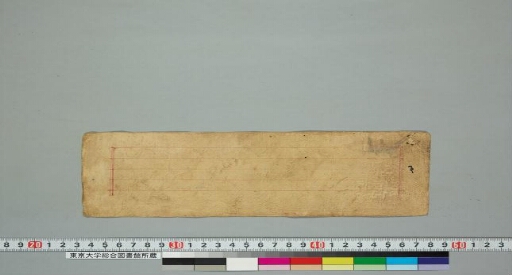
matsunami_87 Language : Sanskrit Scripts : Nepālākṣara
The Kāraṇḍavyūha is an early Mantrayāna sūtra and the source of the famous mantra Oṃ maṇi padme hūṃ. This sūtra holds particular significance, as the mantra has become central in the Tibetan Buddhist tradition, especially among the lay population. It also chronicles the transformation of Avalokiteśvara into the most prominent figure in the Buddhist pantheon, surpassing all other buddhas, not to mention bodhisattvas. In this sūtra , Avalokiteśvara is described as residing in Sukhāvatī, where he serves as a messenger and gift bearer for Amitābha. In a series of interwoven narratives, the sutra details Avalokiteśvara 's activities across various realms and the infinite realms contained within the pores of his skin. He is also portrayed as superior to all buddhas, creating a paradoxical status where he simultaneously holds both a subservient and dominant role.(Trans. Peter Alan Roberts and Tulku Yeshi, intro). Matsunami stated that, this manuscript 'Written roughly.' (Matsunami, 1965, p. 37).