Manuscripts
Search Filter
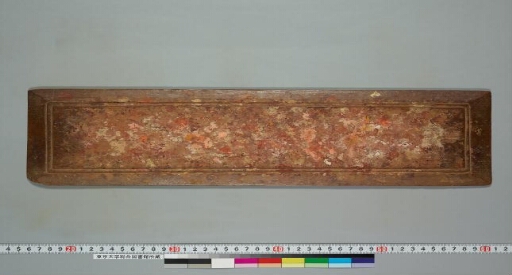
Aṣṭasāhasrikā Prajñāpāramitā
matsunami_52 Language : Sanskrit Scripts : Nepālākṣara
This is a Mahāyānasūtra text that contains 32 chapters, discussing the Buddhist concept of wisdom (Prajñā), the advantages of studying the text, and the possible obstacles in acquiring knowledge. It also describes the difficulties of finding a good teacher and a trained disciple (P.L. Vaidya, 1960. p. XX). This text holds immense significance in shaping the development of both the Mādhyamaka and Yogācāra schools of thought. Folio 156 contains one illustration of a deity. "30 leaves from the 1st chapter to the head part of the 3rd chapter, are missing". "Two leaves with fol.no.223" (Matsunami, 1965. p. 23). At the colophon, the manuscript mentions the name of a devotee of a Bauddhavihāra in present-day Kathmandu, who, along with his family, donated to the vihāra for a good life. His name was Hemākara, his wife was Mohanalakṣmī, their first son was Rāma and his wife was Vidyādharī, their first son was Bhājudhana and his wife was Kṛṣṇamati, their second son was Ṭhākurasiṃha and his wife was Pūrṇalakṣmī, their third son was Cidhidhana and his wife was Sarvalakṣmī, and their fourth son was Bhinakhvāla(?) and his wife was Puṇyalakṣmī. Another donation was made by Mohanalakṣmī’s second son, Bhavānipati, along with his family: Bhavānipati and his wife Bharathakūnī, and their son Rājendrapati and his wife Dayālakṣmī.
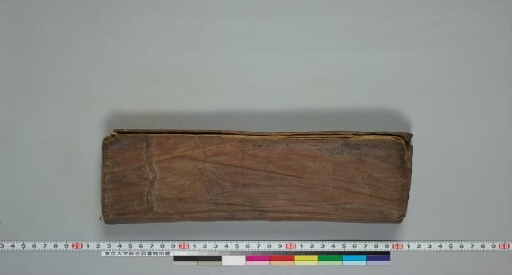
Astrological works
matsunami_53 Language : Newari Scripts : Nepālākṣara
This manuscript contains various small astrological works, including the following: Lagna Jñāna (Image 6, lower folio); Candramāyā Phala (Image 16, lower folio); Aṅgārayāphala (Image 17, lower folio); Bṛhaspatiphala (Image 19, lower folio); Śukrayāphala (Image 21, upper folio); Rāhuyāphala (Image 21, lower folio); Cāradasāphala (Image 22, lower folio); Image 23 contains an astrological chart; Maṅgarādaśā (Image 24, lower folio); Dhanyāyādasāphala (Image 25, lower folio); Bhāmaniyāphala (Image 26, upper folio); Bhadikādasāphala (Image 26, lower folio); Ulkādasāphala (Image 27, upper folio); Sidhāyāphala (Image 27, lower folio); Saṅkatādasā (Image 28, lower folio); Images 27-38 describe Nakṣatras; Images 39 and 40 contain astrological charts; Image 41 contains a human illustration and the Śaniścakra text; Images 42 and 46 (upper folio) contain an index; Image 47 contains an astrological chart; Images 55 (lower folio), 57, and 58 contain astrological charts; Folios 59-69 describe the 27 Nakṣatravarṣaphaladaśā; Image 70 (lower folio) contains the Ṣoḍasākṣaracakraprikṣā; Tithijātaka appears in Image 72; Image 73 contains an astrological chart with a snake illustration; Image 74 contains an astrological diagram; Image 75 contains a calendar; and Images 76 and 77 contain a chart of religious and auspicious ceremonies and their times. Image 85 contains a small astrological diagram.
Ati-Ahorātravratakathā
matsunami_97 Language : Sanskrit Scripts : Nepālākṣara
A Buddhist ritual text describes the worship of Dharmadhātu and Caityas. This text slightly differs from Matsunami's description in his catalog, where he mentions that the text is "the first part of the Kārttikavratakathā, No. 97." Manuscript 97 also contains the Ahorātravratakathā, but it is described as part of the Kārttikavratakathā, and that Ahorātravratakathā is slightly different from the current text.
Ahorātra-vrata-caitya-sevānuśaṃsāvadāna
matsunami_55 Language : Sanskrit Scripts : Nepālākṣara
A Buddhist ritual text describes the worship of Caityas. The narration of the text is very similar to Avadāna texts and is written in ślokas. The content of the text is based on well-known historical narratives of King Aśoka and Upagupta. In this text, Upagupta narrates the religious instructions related to worshiping (vrata) the Caityas. According to Matsunami, this text is "the 10th chapter of Aśokāvadānamālā, Śloka.
Ākhyātaratnakośa
matsunami_56 Language : Sanskrit Scripts : Nepālākṣara
This is a Sanskrit grammar text contains Dhātugaṇa with their examples.
Ādikarmapradīpa
matsunami_57 Language : Sanskrit Scripts : Old Devanāgarī
A Buddhist Tantric text belongs to Kriyātantra class. A Mūla Sūtra featuring a running commentary, outlining the rituals of initiation, daily duties from rising, washing, and other essential practices, such as Pitṛtarpaṇa (ancestor worship) and alms-giving, corresponding to the Brahminical Nityāhnika and Pañcamahāyajña authored by Anupamavajra. (NCC Vol.2 p. 70). In this text, the author mentioned that he wrote the commentary for the easy understanding of his pupil. The cover folio contains a single line of text, most likely written in Burmese script.
Ādiyogasamādhi
matsunami_58 Language : Sanskrit Scripts : Nepālākṣara
A Buddhist Tantric text describes mantras, hand gestures (mudrās) related to pūjā, śodhana, nyāsa, and the formations of letters to create maṇḍalas, such as: maṇḍalādhiṣṭhāna-mantra-śodhana, aṅganyāsa (2b), candramaṇḍala (3a), sūryamāṇḍala (3b), padmanyāsa (4b), end of the prathamayoga (6a), vāyumāṇḍala (6b), and ākarṣaṇamudrā (7a).
Ālokamālā
matsunami_59 Language : Sanskrit Scripts : Nepālākṣara
A Buddhist philosophical text discusses liberation by Prajñāmitra. It seems that this text is different from Kambala's Ālokamālā. The text is rare, and no information is available about the author. It appears that this text is indeed uncommon.
Indranāmabrāhmaṇāvadāna
matsunami_60 Language : Sanskrit Scripts : Devanāgarī
This text is the 6th chapter of the Divyāvadāna, which tells the story of a self-obsessed brāhmaṇa named Indra and how he was enlightened by Gautama Buddha. The story also recounts an event in which Gautama raised the undisturbed body of the perfectly awakened Kaśyapa for the disciples to see and gave a discourse on the dharma to the people. It also discusses two festivals: one is Indramaha (the Indra Festival), and the other is Toyikamaha (the Toyika Festival).
Ekajaṭādhāraṇī
matsunami_61 Language : Sanskrit Scripts : Rañjanā
A Dhāraṇī (mantra) text dedicated to Ekajaṭā, also known as Ugra Tārā or Blue Tārā, the fierce form of the deity. This text contains the mantras of Ekajaṭā, which are chanted during the Ekajaṭā pūjā rituals, and also mentions the benefits of the rituals.
Ekajaṭādhāraṇī
matsunami_62 Language : Sanskrit Scripts : Nepālākṣara
A Dhāraṇī (mantra) text dedicated to Ekajaṭā, also known as Ugra Tārā or Blue Tārā, the fierce form of the daity. This text contains the mantras of Ekajaṭā, which are chanted during the Ekajaṭā pūjā rituals, and also mentions the benefits of the rituals.
Ekallavīraśrīcaṇḍamahāroṣaṇatantra and Bhairava
matsunami_63 Language : Sanskrit Scripts : Nepālākṣara
This manuscript contains two different texts. The first is a Buddhist Tantra text, composed around the 11th century, consisting of 25 chapters (paṭalas). The text discusses various Tantric practices, the philosophy of Buddhist Tantra, mantras, magical rites and rituals, and many other topics. The text is composed in the form of a dialogue between Vajrasattva and his consort Vajradhātvīśvarī. After the completion of the text, one śānti mantra was composed, followed by the composition of the Bhairava mantra. This text describes a tantra ritual called sīmāprākāravadha.