
Manuscripts
Search Filter
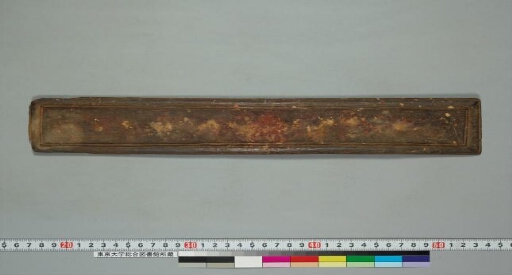
Kāraṇḍavyūhanāmamahāyānasūtraratnarāja
matsunami_88 Language : Sanskrit Scripts : Nepālākṣara
The Kāraṇḍavyūha is an early Mantrayāna sūtra and the source of the famous mantra Oṃ maṇi padme hūṃ. This sūtra holds particular significance, as the mantra has become central in the Tibetan Buddhist tradition, especially among the lay population. It also chronicles the transformation of Avalokiteśvara into the most prominent figure in the Buddhist pantheon, surpassing all other buddhas, not to mention bodhisattvas. In this sūtra , Avalokiteśvara is described as residing in Sukhāvatī, where he serves as a messenger and gift bearer for Amitābha. In a series of interwoven narratives, the sutra details Avalokiteśvara 's activities across various realms and the infinite realms contained within the pores of his skin. He is also portrayed as superior to all buddhas, creating a paradoxical status where he simultaneously holds both a subservient and dominant role.(Trans. Peter Alan Roberts and Tulku Yeshi, intro). After the colophon, this manuscript contains a small text, which appears to be a prayer for the Mahāyānasūtra. This section of the text is written differently and has new folio numbers (1a, 1b, 2a, and 2b), but the text ends on folio 2a. This manuscript was written at Hemavarṇamahāvihāra.
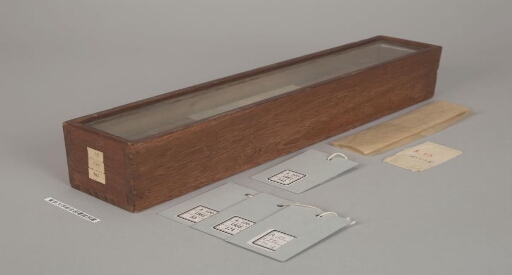
Composed Manuscript: Kāraṇḍavyūha nāma mahāyānasūtraratnarāja; Mañjuśrījñānasattvasya-paramārtha-nāmasaṅgīti; Vasudhārādhāraṇī; Vasudhārāyāḥ nāmāṣṭottaraśataka
matsunami_89 Language : Sanskrit Scripts : Nepālākṣara
A composite manuscript contains four different texts: Kāraṇḍavyūha nāma mahāyānasūtraratnarāja; Mañjuśrījñānasattvasya-paramārtha-nāmasaṅgīti; Vasudhāradhāraṇī; Vasudhārāyāḥ nāmāṣṭottaraśataka. First text is incomplete, it describes the qualities of Avalokiteśvara (folio 1b to folio 59a) folio 50 is missing. The second text (folio 59b to folio 72a) is a late-Buddhist Tantric text often placed at the beginning of devotional volumes by Buddhist compilers, the Paramārthanāmasangīti consists of groups of songs (gāthā) attributed to the Buddha. These songs guide the believer through various levels of knowledge, leading to the highest understanding (jñāna) (Harrassowitz, 1984, p. 134). Third text (folio 72b to 83a) describes Buddha's teachings on overcoming poverty (NCC, vol-27, p.266) and fourth text (83a to 84a) dedicated to Buddhist deity Vasudhārā.
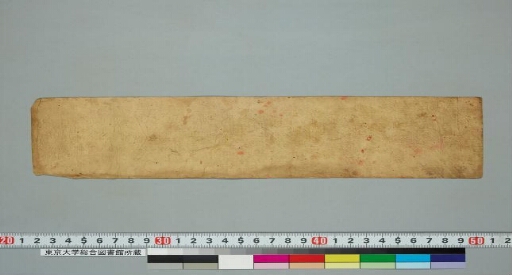
Kāraṇḍavyūhamahāyānasūtra-ratnarāja
matsunami_90 Language : Sanskrit Scripts : Nepālākṣara
The Kāraṇḍavyūha is an early Mantrayāna sūtra and the source of the famous mantra Oṃ maṇi padme hūṃ. This sūtra holds particular significance, as the mantra has become central in the Tibetan Buddhist tradition, especially among the lay population. It also chronicles the transformation of Avalokiteśvara into the most prominent figure in the Buddhist pantheon, surpassing all other buddhas, not to mention bodhisattvas. In this sūtra , Avalokiteśvara is described as residing in Sukhāvatī, where he serves as a messenger and gift bearer for Amitābha. In a series of interwoven narratives, the sutra details Avalokiteśvara 's activities across various realms and the infinite realms contained within the pores of his skin. He is also portrayed as superior to all buddhas, creating a paradoxical status where he simultaneously holds both a subservient and dominant role.(Trans. Peter Alan Roberts and Tulku Yeshi, intro). In folio 1b, there is an illustration that seems to depict Avalokiteśvara Padmapāṇi.
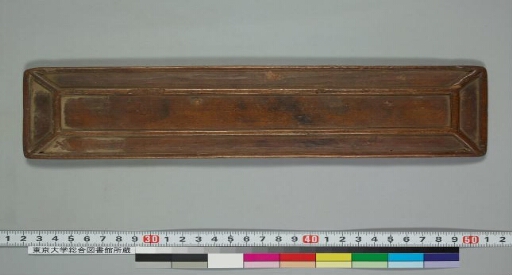
Kāraṇḍavyūhamahāyānasūtra-ratnarāja
matsunami_91 Language : Sanskrit Scripts : Nepālākṣara
The Kāraṇḍavyūha is an early Mantrayāna sūtra and the source of the famous mantra Oṃ maṇi padme hūṃ. This sūtra holds particular significance, as the mantra has become central in the Tibetan Buddhist tradition, especially among the lay population. It also chronicles the transformation of Avalokiteśvara into the most prominent figure in the Buddhist pantheon, surpassing all other buddhas, not to mention bodhisattvas. In this sūtra , Avalokiteśvara is described as residing in Sukhāvatī, where he serves as a messenger and gift bearer for Amitābha. In a series of interwoven narratives, the sutra details Avalokiteśvara 's activities across various realms and the infinite realms contained within the pores of his skin. He is also portrayed as superior to all buddhas, creating a paradoxical status where he simultaneously holds both a subservient and dominant role.(Trans. Peter Alan Roberts and Tulku Yeshi, intro). This manuscript is damaged, and a few folia are badly affected. In the colophon, the scribe misspelled the title of the text as Āryakāracakra-mahāyānasūtra-ratnarājaṃ.
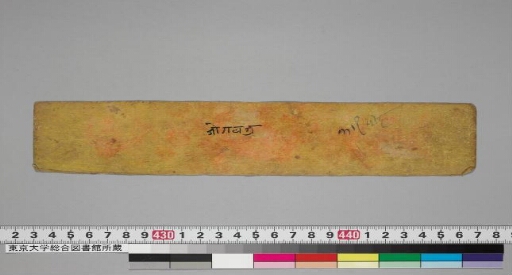
Kāraṇḍavyūhamahāyānasūtra-ratnarāja
matsunami_92 Language : Sanskrit Scripts : Rañjanā
The Kāraṇḍavyūha is an early Mantrayāna sūtra and the source of the famous mantra Oṃ maṇi padme hūṃ. This sūtra holds particular significance, as the mantra has become central in the Tibetan Buddhist tradition, especially among the lay population. It also chronicles the transformation of Avalokiteśvara into the most prominent figure in the Buddhist pantheon, surpassing all other buddhas, not to mention bodhisattvas. In this sūtra , Avalokiteśvara is described as residing in Sukhāvatī, where he serves as a messenger and gift bearer for Amitābha. In a series of interwoven narratives, the sutra details Avalokiteśvara 's activities across various realms and the infinite realms contained within the pores of his skin. He is also portrayed as superior to all buddhas, creating a paradoxical status where he simultaneously holds both a subservient and dominant role.(Trans. Peter Alan Roberts and Tulku Yeshi, intro). Matsunami stated that, this manuscript 'Written carefully. Fols. 93-105 are probably damaged by rats.' (Matsunami, 1965, pp. 39-40).
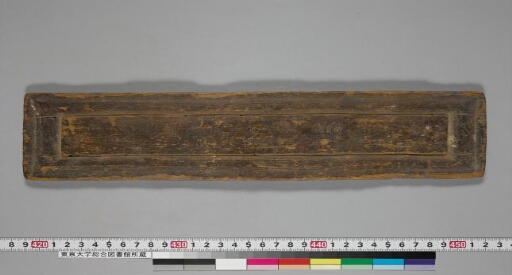
Kāraṇḍavyūhamahāyānasūtra-ratnarāja
matsunami_93 Language : Sanskrit Scripts : Nepālākṣara
The Kāraṇḍavyūha is an early Mantrayāna sūtra and the source of the famous mantra Oṃ maṇi padme hūṃ. This sūtra holds particular significance, as the mantra has become central in the Tibetan Buddhist tradition, especially among the lay population. It also chronicles the transformation of Avalokiteśvara into the most prominent figure in the Buddhist pantheon, surpassing all other buddhas, not to mention bodhisattvas. In this sūtra , Avalokiteśvara is described as residing in Sukhāvatī, where he serves as a messenger and gift bearer for Amitābha. In a series of interwoven narratives, the sutra details Avalokiteśvara 's activities across various realms and the infinite realms contained within the pores of his skin. He is also portrayed as superior to all buddhas, creating a paradoxical status where he simultaneously holds both a subservient and dominant role.(Trans. Peter Alan Roberts and Tulku Yeshi, intro). The manuscript is meticulously written, with folio 1b featuring an illustration of Avalokiteśvara Padmapāṇi.
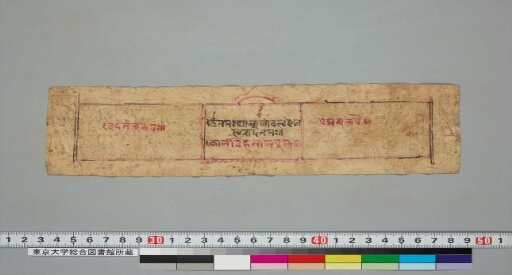
Kāraṇḍavyūhamahāyānasūtra-ratnarāja
matsunami_94 Language : Sanskrit Scripts : Nepālākṣara
The Kāraṇḍavyūha is an early Mantrayāna sūtra and the source of the famous mantra Oṃ maṇi padme hūṃ. This sūtra holds particular significance, as the mantra has become central in the Tibetan Buddhist tradition, especially among the lay population. It also chronicles the transformation of Avalokiteśvara into the most prominent figure in the Buddhist pantheon, surpassing all other buddhas, not to mention bodhisattvas. In this sūtra , Avalokiteśvara is described as residing in Sukhāvatī, where he serves as a messenger and gift bearer for Amitābha. In a series of interwoven narratives, the sutra details Avalokiteśvara 's activities across various realms and the infinite realms contained within the pores of his skin. He is also portrayed as superior to all buddhas, creating a paradoxical status where he simultaneously holds both a subservient and dominant role.(Trans. Peter Alan Roberts and Tulku Yeshi, intro). Matsunami stated that the manuscript was written very roughly, and the pagination for pages 54, 104, and 105 was missing. Later, it was corrected with red ink, (Matsunami, 1965, p. 40) and the page numbers were added to the left side of the manuscript.
Kārtavīryodaya
matsunami_95 Language : Sanskrit Scripts : Devanāgarī
A 17-act (sarga) Mahākāvya on the story of Kārtavīrya Arjuna, the son of Haihaya king Kṛtavīrya, a Puranic king, was famous for his valour and also because of his physical appearance, as he possessed a thousand arms. His story can also be found in the Rāmāyaṇa, Mahābhārata, and early references can be found in the Ṛgveda. This Mahākāvya was composed by Sukṛtidatta, the son of Bhavadatta, a Sanskrit scholar, and his mother was Bhargavī. He was born in 1823/24 in western Nepal, near the city of Baglung. In the first chapter, he describes the city of Māhiṣmati (folios 1b-4a). In this text, he mentions famous Sanskrit poets such as Kālidāsa, Bhavabhūti, Murāri, Māgha, Bhāravi, and Śrīharṣa (folio 102b). It seems that in folio 100b, the 16th chapter ends and the 17th chapter begins, as the śloka numbers start from the beginning. However, at the end of the text, it is mentioned that the 16th chapter has been completed.
Kārttikavratakathā
matsunami_96 Language : Sanskrit Scripts : Nepālākṣara
A Buddhist ritual manual outlines various ceremonies, including chaityapūjā, stūpapūjā, and others. Additionally, the text describes ritual songs, dances, and the offering of precious materials as part of ritual dāna. Folio 1b depicts an illustration of Śākyamuni.
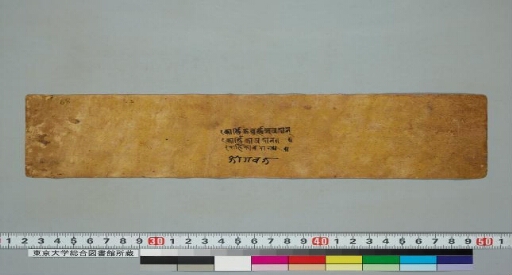
Kārttikavratakathā
matsunami_98 Language : Sanskrit Scripts : Nepālākṣara
A Buddhist ritual manual outlines various ceremonies, including chaityapūjā, stūpapūjā, and others. Additionally, the text describes ritual songs, dances, and the offering of precious materials as part of ritual dāna. On 1a, the text mentions the title "Kārttikavratāvadāna."
Kālacakratantra
matsunami_99 Language : Sanskrit Scripts : Devanāgarī
A Buddhist Tantra text contains five paṭalas (chapters) that deal with Buddhist cosmology, the Kālacakra calendar, the birth and death of universes, the birth of humans, the human body and its functions, the indriyas, the six energy centers (chakras) in the body, ten vital energies, energy channels, abhiṣeka of Kālacakra, yoga, meditation on the maṇḍala, and many other topics. It is said that the Kālacakra teaching was taught by Śākyamuni Buddha and was known as the Root Kālacakra Tantra, or Paramādibuddhatantra. Later, the Śambhala King Suchandra wrote a commentary on it; unfortunately, neither of these texts has survived. According to tradition, the Śambhala King Mañjuśrī-Yaśas composed the Laghukālacakratantra based on the preserved parts of the earlier work. This text is important for Tantric Buddhism, especially for followers of the Kālacakrayāna. The five chapters are: Lokadhātupaṭala (folio 22a), Adhyātmapaṭala (folio 45a), Abhiṣekapaṭala (folio 72a), Sādhnapaṭala (folio 101b), and Jñānapaṭala (folio 132a).
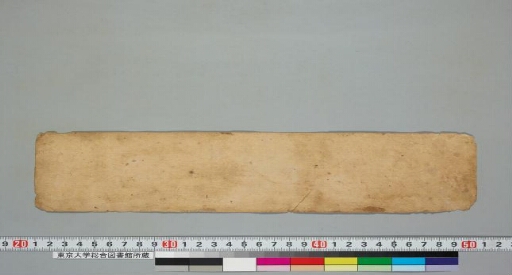
Composite Manuscript: Kālacakrapūjāvidhi; Kālacakrabhagavatsādhanavidhi
matsunami_100 Language : Sanskrit Scripts : Nepālākṣara
The first text serves as a ritual manual for the Kālacakra pūjā and also outlines various maṇḍala sthāpana and pūjā, ghaṭa pūjā, puṣpāñjali mantras, and other rituals. During the discussion of these rituals, the text references Vimalaprabhā and Laghukālacakratantrarāja. The first text, Bhagavatśrīālacakrapūjāvidhi, concludes on folio 17b, followed by the start of the second text. This second text is a manual on Kālacakra rituals, based on Puṇḍarīka's Vimalaprabhā commentary on Laghukālacakratantrarāja. The author of the second text is Dharmākaraśāntipāda.