

Manuscripts
Search Filter
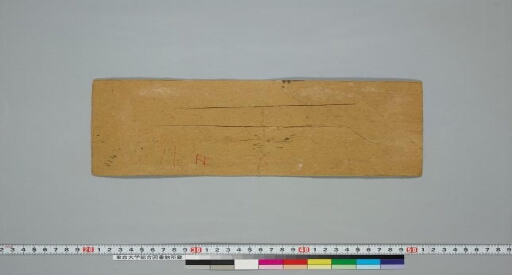
Kriyāsamuccaya
matsunami_111 Language : Sanskrit Scripts : Devanāgarī
A 14th century (probably) Tantra text composed by Jagaddarpaṇa, also known as Darpaṇācārya, is a significant work on Tantric rituals. It plays a key role in monastic architecture, the technique of maṇḍala drawing, and various Tantric initiations. Its influence on the Tibetan exegetical tradition is profound. This manuscript contains many sections a few of them are ācāryālakṣaṇavidhi f.5a, Puṣkariṇī-arghavidhi f.14b, Pratimā-arghavidhi f.15a, saddharma-likhana-arghavidhi f.15b, jīrnoddhāra-arghavidhi f.16b, arghādidānavidhi f.17a, śiṣyasaṃgrahavidhi f.19a, maṇḍalagṛhādividhi f.21b, vighnakīlanavidhi f. 47b, kaladhivāśanavidhi f.52b, sūtrādhivāsanavidhi f.55a, sarvamaṇḍalasādhāraṇvidhi f.61a, śrīcakrasamvaravajravārāhimaṇḍalasūtra f.62b, maṇḍalasūtravidhi f.71a, trīpuṭamaṇḍala f.127a, mukhādibhāvanāvidhi f.176b, devatādhivāsanavidhi f.176b, vidyāpratiṣṭhāvidhi f.182a, nānākarmākṣasūtravidhi f.183b, puṣkariṇīvāpikūpādipratiṣṭhāvidhi f.188a, gurumaṇḍala f.190b, poṣadhavidhi f. 193b.
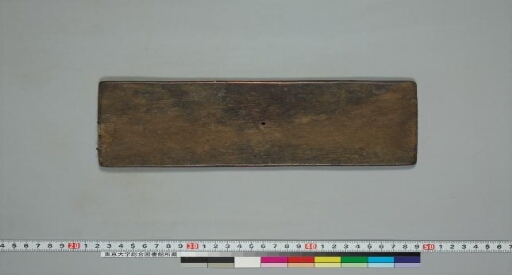
Kriyāsaṃgrahapañjikā
matsunami_112 Language : Sanskrit Scripts : Nepālākṣara
This is a collection of Buddhist rituals, influenced by Hindu Tantric collections authored by Kuladatta, a Buddhist teacher. The text consists of 8 prakaraṇas containing 4,285 ślokas (NCC, Vol. 4, p. 234). It begins with the definition of a spiritual guru and his śiṣya, followed by an explanation of the ceremony for erecting and consecrating a Vihāra. The text describes the perfect and pure land for building a Vihāra, as well as the imperfect and impure lands that should be avoided. It provides a detailed description of the vāstu and the construction planning of the Vihāra. The topic then shifts to the context of ordination, with a detailed discussion on the rituals related to ordination (Mitra, 1882, pp. 105-109). This is an old manuscript, and many folios have notes written in red ink in the Newari language. Sometimes these notes appear under the main text lines, and other times in the margins. The first prakaraṇa ends on f. 9a.
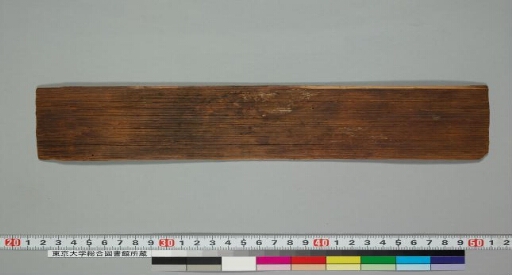
Kriyāsaṃgrahapañjikā
matsunami_113 Language : Sanskrit Scripts : Nepālākṣara
This is a collection of Buddhist rituals, influenced by Hindu Tantric collections authored by Kuladatta, a Buddhist teacher. The text consists of 8 prakaraṇas containing 4,285 ślokas (NCC, Vol. 4, p. 234). It begins with the definition of a spiritual guru and his śiṣya, followed by an explanation of the ceremony for erecting and consecrating a Vihāra. The text describes the perfect and pure land for building a Vihāra, as well as the imperfect and impure lands that should be avoided. It provides a detailed description of the vāstu and the construction planning of the Vihāra. The topic then shifts to the context of ordination, with a detailed discussion of the rituals related to ordination (Mitra, 1882, pp. 105-109). This manuscript is divided into two parts. The first part ends on f. 106 (it seems the scribe mistakenly wrote 107), and this folio contains the date 833 (most probably Nepal Saṃvat). It appears that the end line is written in the Newari language. The second part begins without any discontinuation in the text, with folio numbers starting from 1 and continuing to 135. (Matsunami, Catalogue of the Kawaguchi-Takakusu Collection of Sanskrit manuscripts. Note-book 16, p. 69).
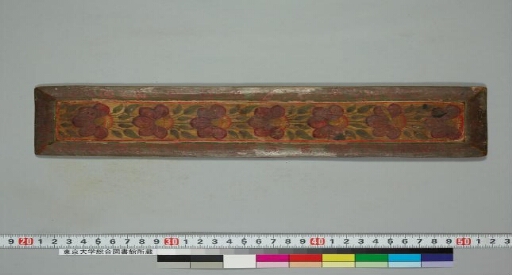
Kriyāsaṃgrahapañjikā
matsunami_114 Language : Sanskrit Scripts : Nepālākṣara
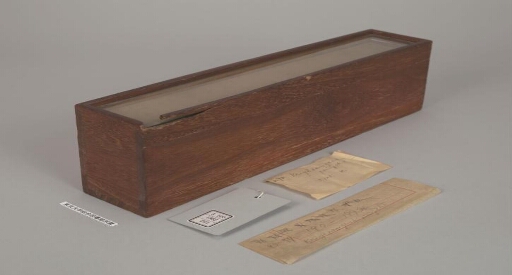
This is a collection of Buddhist rituals, influenced by Hindu Tantric collections authored by Kuladatta, a Buddhist teacher. The text consists of 8 prakaraṇas containing 4,285 ślokas (NCC, Vol. 4, p. 234). It begins with the definition of a spiritual guru and his śiṣya, followed by an explanation of the ceremony for erecting and consecrating a Vihāra. The text describes the perfect and pure land for building a Vihāra, as well as the imperfect and impure lands that should be avoided. It provides a detailed description of the vāstu and the construction planning of the Vihāra. The topic then shifts to the context of ordination, with a detailed discussion of the rituals related to ordination (Mitra, 1882, pp. 105-109). Both the upper and lower wooden plates are covered with illustrations. It seems that the upper wooden plate contains an illustration of Padmapāṇilokeśvara, and the lower plate has an illustration of Pañcabuddha (Vairocana, Akṣobhya, Ratnasambhava, Amitābha, Amoghasiddhi). "Fols. 1-5, 20, 21, 24-29, 100, 101, 109, 124, 130, 131, 170, and 217-258 are newly written" (Matsunami, 1965, p. 48).
Kriyāsaṃgrahapañjikā
matsunami_115 Language : Sanskrit Scripts : Nepālākṣara
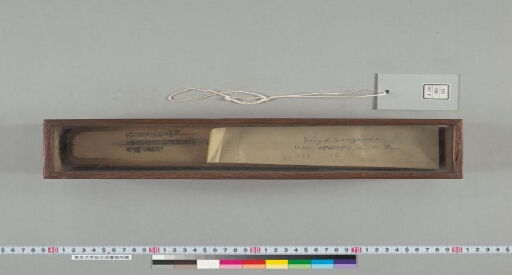
This is a collection of Buddhist rituals, influenced by Hindu Tantric collections authored by Kuladatta, a Buddhist teacher. The text consists of 8 prakaraṇas containing 4,285 ślokas (NCC, Vol. 4, p. 234). It begins with the definition of a spiritual guru and his śiṣya, followed by an explanation of the ceremony for erecting and consecrating a Vihāra. The text describes the perfect and pure land for building a Vihāra, as well as the imperfect and impure lands that should be avoided. It provides a detailed description of the vāstu and the construction planning of the Vihāra. The topic then shifts to the context of ordination, with a detailed discussion of the rituals related to ordination (Mitra, 1882, pp. 105-109). The colophon section of this manuscript is partially damaged and illegible, but it seems to mention the name of King Jayasthiti Malla, the 11th Malla king who ruled over Nepal from 1382 to 1395 CE.
Kriyāsaṃgrahapañjikā
matsunami_116 Language : Sanskrit Scripts : Nepālākṣara
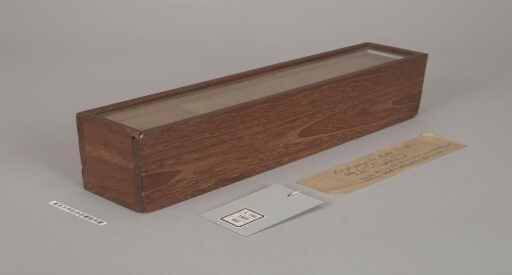
This is a collection of Buddhist rituals, influenced by Hindu Tantric collections authored by Kuladatta, a Buddhist teacher. The text consists of 8 prakaraṇas containing 4,285 ślokas (NCC, Vol. 4, p. 234). It begins with the definition of a spiritual guru and his śiṣya, followed by an explanation of the ceremony for erecting and consecrating a Vihāra. The text describes the perfect and pure land for building a Vihāra, as well as the imperfect and impure lands that should be avoided. It provides a detailed description of the vāstu and the construction planning of the Vihāra. The topic then shifts to the context of ordination, with a detailed discussion of the rituals related to ordination (Mitra, 1882, pp. 105-109). In the colophon section, the manuscript mentions two different dates: one is Nepal Saṃvat 624 (1503 CE), and the other is Nepal Saṃvat 677 (1556 CE). It seems that the latter date is actually related to the prediction of a lunar eclipse and the auspicious constellation of the stars.
Kriyāsaṃgrahapañjikā
matsunami_117 Language : Sanskrit Scripts : Nepālākṣara
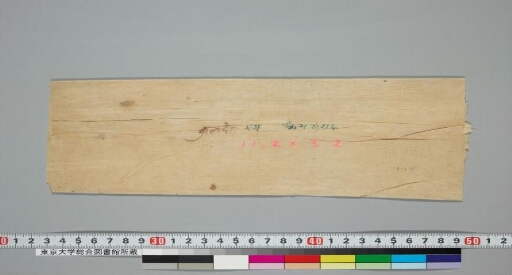
This is a collection of Buddhist rituals, influenced by Hindu Tantric collections authored by Kuladatta, a Buddhist teacher. The text consists of 8 prakaraṇas containing 4,285 ślokas (NCC, Vol. 4, p. 234). It begins with the definition of a spiritual guru and his śiṣya, followed by an explanation of the ceremony for erecting and consecrating a Vihāra. The text describes the perfect and pure land for building a Vihāra, as well as the imperfect and impure lands that should be avoided. It provides a detailed description of the vāstu and the construction planning of the Vihāra. The topic then shifts to the context of ordination, with a detailed discussion of the rituals related to ordination (Mitra, 1882, pp. 105-109). 'First 15 leaves are damaged. Fols. 6 and 48 are missing. The pagination of 116 is missed out. There is a leaf without folio number, whose contents are neither those of fol. 6 nor of fol. 48, and a leaf for the list of the contents.' (Matsunami, 1965, p. 49).
Kriyāsaṅgrahaṇjikā
matsunami_118 Language : Sanskrit Scripts : Nepālākṣara
This is a collection of Buddhist rituals, influenced by Hindu Tantric collections authored by Kuladatta, a Buddhist teacher. The text consists of 8 prakaraṇas containing 4,285 ślokas (NCC, Vol. 4, p. 234). It begins with the definition of a spiritual Guru and his śiṣya, followed by an explanation of the ceremony for erecting and consecrating a Vihāra. The text describes the perfect and pure land for building a Vihāra, as well as the imperfect and impure lands that should be avoided. It provides a detailed description of the vāstu and the construction planning of the Vihāra. The topic then shifts to the context of ordination, with a detailed discussion of the rituals related to ordination (Mitra, 1882, pp. 105-109). "Fol. 1 is missing. The existing fol. 1 does not belong to the text. "BeLongs to Nudima Nundu" is stamped on every leaf." (Matsunami, 1965, p. 49). It seems that the last two folia are relatively new, as can be seen from their condition and handwriting.
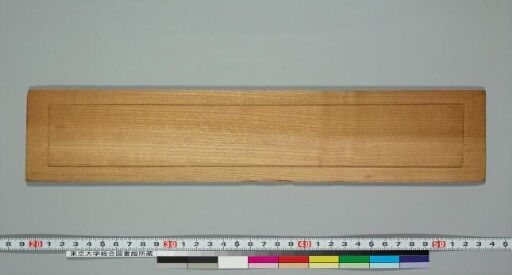
Gaṇḍavyūhasūtra
matsunami_119 Language : Sanskrit Scripts : Nepālākṣara
A Buddhist Mahāyāna sūtra dated to c. 200 to 300 CE. It chronicles the journey of Sudhana, who encounters various teachings and Bodhisattvas called Kalyāṇamitras. These Kalyāṇamitras belong to different age groups, places, economic backgrounds, social strata, and occupations. Sudhana's journey continues until he completes the cycle and awakens to the teachings of the Buddha. It was brought to China in the 7th century and translated into Chinese by Amoghavajra during the reign of the Tang dynasty. Its Chinese name is Ta-shing-mi-yen-king. (Mitra, 1882, p. 90). This sūtra forms last section of Buddhāvataṁsakasūtra, according to S. Levi, JA. 203, pp. 6 and at the end of the Gaṇḍavyūha is found the lyric Bhadracarīpraṇidhānagāthā, or Samantabhadracaryāpraṇidhānagāthā. (NCC, Vol. 5, p. 289).
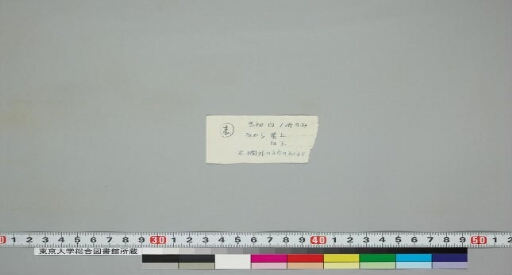
Guhyasamājaparārdha
matsunami_120 Language : Sanskrit Scripts : Nepālākṣara
A Buddhist Yoga-tantra text written in saṅgīti (collection of verses, which in this context means chanting together). The Buddha is described as sporting in the sacred knowledge arising out of his body, speech and mind of Tathagathas in the company of other Tathagathas and Bodhisattvas. The ordinary belief is that this text has two parts: Pūrvārdha and Uttarārdha (or Parārdha), as this manuscript has mentioned. However, experts believe that the second part is a later addition and that this manuscript contains the second part. This text emphasizes Śakti worship, and it is believed to be the first text to introduce Śakti worship in Buddhist Yoga (Bhattacharya, Geakwad's Oriental Series 53, 1967, pp. IX-XXXVIII). "There are two leaves with fol. no. 30." (Matsunami, 1965, p. 50).
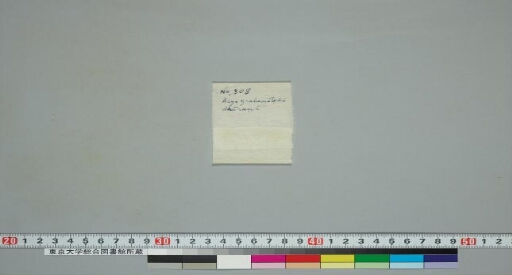
Grahamātṛkādhāraṇī
matsunami_121 Language : Sanskrit Scripts : Rañjanā
A Buddhist Dhāraṇī text contains mystic mantras for the veneration of the nine planets. These mantras belong to the Tantric class. The text describes the rituals of worshiping the planets with diagrams drawn on the floor of a room, chanting the mantras seven times each day, from the seventh day to the 14th day of the waxing moon in Kārtika, with the final ritual occurring at midnight on the 15th day. The mantras were revealed to a congregation of gods by Buddha himself while residing in the Alakavati mansion of Indra (Mitra, 1882, pp. 93-94). The first folio contains a colourful illustration of a Buddhist deity. In the post-colophon, corrections were made with yellow ink, and the corrected parts were written in Newari script.
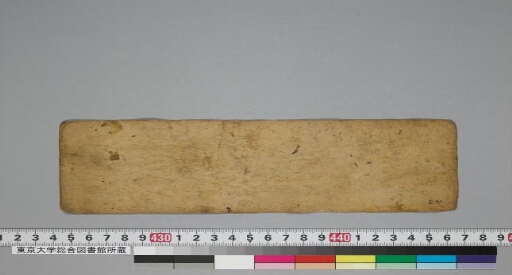
Grahamātṛkādhāraṇī
matsunami_122 Language : Sanskrit Scripts : Nepālākṣara
A Buddhist Dhāraṇī text contains mystic mantras for the veneration of the nine planets. These mantras belong to the Tantric class. The text describes the rituals of worshiping the planets with diagrams drawn on the floor of a room, chanting the mantras seven times each day, from the seventh day to the 14th day of the waxing moon in Kārtika, with the final ritual occurring at midnight on the 15th day. The mantras were revealed to a congregation of gods by Buddha himself while residing in the Alakavati mansion of Indra (Mitra, 1882, pp. 93-94). In the post-colophon, corrections were made with yellow ink and title of the text highlighted with red ink.