
Manuscripts
Search Filter
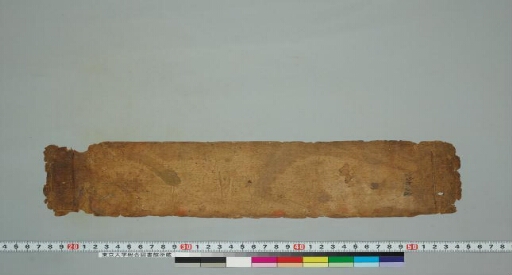
Jātakamālā
matsunami_135 Language : Sanskrit Scripts : Nepālākṣara
This is a Buddhist text written in prose and verses; this style is known as campū kāvya.The author of the text is Āryaśūra, belonged to the late 3rd or early 4th century. This text describes the previous lives of the Buddha, as the Jātaka texts do. Therefore, this text can also be categorised as a Jātaka text. Originally, the text contained 34 Jātaka stories, but this manuscript includes 23 complete Jātaka stories and an incomplete 24th story. Matsunami points out that fols. 5-12, 30-49, 107-112, and 120 are missing (Matsunami, 1965, pp. 56-57).
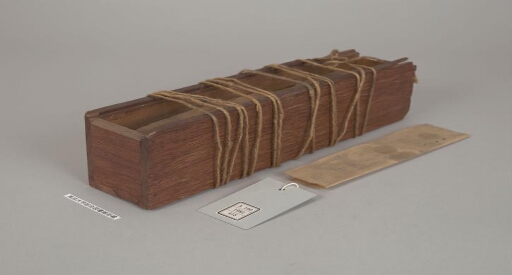
Jātakamālā
matsunami_136 Language : Sanskrit Scripts : Nepālākṣara
This is a Buddhist text written in prose and verses; this style is known as campū kāvya. The author of the text is Āryaśūra, who belonged to the late 3rd or early 4th century. This text describes the previous lives of the Buddha, as the Jātaka texts do. Therefore, this text can also be categorized as a Jātaka text. Originally, the text contained 34 Jātaka stories, but this manuscript includes 32 complete Jātaka stories and an incomplete 33rd and 34th story. It seems that after folio 144b, a few folios are missing because after the completion of the 32nd story on folio 144b, the 33rd story begins but abruptly ends at the next folio, which shows the discontinuation of the text. After the completion of the 33rd story, the 34th begins on the recto part (f. 145), but on the verso, the continuation of the text somehow breaks off, and it seems that the manuscript skips many parts of the 34th story. "The first leaf is probably of a different text (Suvarṇaprabhāṣa), though it's a-side has the name of Jātaka-mālā (newly written). Its b-side runs as follows: -- (1b1) oṃ namo bhagavate ārya-prajñā-pāramitāyai || tad-yathā || śruti-smṛti-vijaye svāhā ||" (Matsunami, 1965, p. 57)
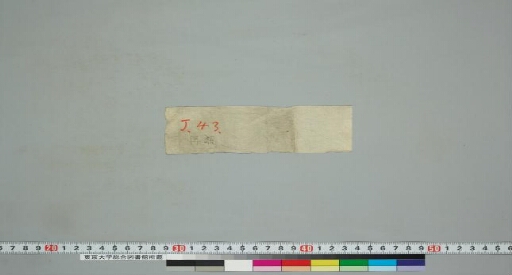
Jātakamālāṭīkā
matsunami_137 Language : Sanskrit Scripts : Nepālākṣara
This is a commentary on Āryaśūra's Jātakamālā, a Buddhist text written in prose and verses; this style is known as campū kāvya. The author of the text is Āryaśūra, who belonged to the late 3rd or early 4th century. This text describes the previous lives of the Buddha, as the Jātaka texts do. Therefore, this text can also be categorized as a Jātaka text. The name of the commentary and commentator is unknown. Originally, the text contained 34 Jātaka stories, but this manuscript includes only 15 stories with commentary. Matsunami obsereved that "There are many blank places in this copy. Perhaps the copier could not read those places of his original text." (Matsunami, 1965, p. 57).
Jātakamālā
matsunami_138 Language : Sanskrit Scripts : Nepālākṣara
This is a Buddhist text written in prose and verses; this style is known as campū kāvya.The author of the text is Āryaśūra, belonged to the late 3rd or early 4th century. This text describes the previous lives of the Buddha, as the Jātaka texts do. Therefore, this text can also be categorised as a Jātaka text. Originally, the text contained 34 Jātaka stories, but this manuscript includes 1-30 stories (upto Hastijātaka).
Jātakamālāvadānasūtra
matsunami_139 Language : Sanskrit Scripts : Devanāgarī
This manuscript contains two different texts. The first is Āryaśūra's Jātakamālā, a Buddhist text written in prose and verses; this style is known as campū kāvya. The author of the text is Āryaśūra, who belonged to the late 3rd or early 4th century. This text describes the previous lives of the Buddha, as the Jātaka texts do. Therefore, this text can also be categorized as a Jātaka text. The second text contains a few chapters from Bhadrakalpāvadāna, a Buddhist text written in dialogue between Aśoka and Upagupta, in 38 adhyāyas (related to the Vinayapiṭaka) (NCC, Vol. 16, p. 126). Matsunami stated that "Jātaka-mālāvadāna-sūtra (Śrī-bhagavataḥ śākyasiṃhasya °), being an enlargement of the Jātakamālā with 20 Jātaka tales of Buddha and a chapter of Bhikṣu's" (Matsunami, 1965, p. 58). The first text ends on folio 164b (the scribe wrongly numbered 164 twice).
Composite Manuscript (Jātakarman; Rudrākṣalakṣaṇa)
matsunami_140 Language : Sanskrit and Newari Scripts : Nepālākṣara
It seems that this manuscript contains two different works. The first work describes Jātakarman: Nābhicchedana (f.13a) and Nāmakaraṇa (f.13b), with a Newari commentary. It is notable that the first folio of the manuscript mentions Dharmasaṃgrahabhāṣāmūla as the title. It also seems that this text is a continuation of a larger work, as the left-hand folio numbering starts from 42 and ends at 69, while the right side has numbers from 1 to 18. The same pattern is seen with the second text: the left-side numbering starts from 37 and ends at 41, while the right side has numbers from 26 to 30. This suggests that the second work may also be part of a different manuscript. On the margins of the folia containing the second work, it is written Jāpamālā, which may indicate the original title of the text. Throughout the first work, the right side of the folios mentions the subject matters it discusses, such as: Prabhāsvarātpatti, Bhuvanotpatti, Saṃkhyā, Jambudvīpa, Videhadvīpa, Kuludvīpa, Sumeru, and many others. Matsunami stated that "An encyclopaedical work on world, birth of men and its vidhis. Sanskrit text and vernacular commentary. Fragment. 18 leaves." (Matsunami, 1965, p. 58).
Composite Manuscript (Jātakālaṅkāra; Kakṣapuṭa )
matsunami_141 Language : Sanskrit Scripts : Devanāgarī
This is a composite manuscript that contains two different texts. The first text is Jātakālaṅkāra, a Jyotiṣa text, and a commentary on Śukajātaka by Gaṇeśa Daivajña, son of Gopāla. It contains seven chapters (adhyāya), and in the last chapter, the author provides a detailed description of his parentage. Although this manuscript contains all seven chapters, the last śloka of the text is incomplete (f.15b). The second text is Kakṣapuṭa, a Buddhist Tantric text also known as "Kacchapuṭa, Kakṣyāpuṭa, Kakṣapuṭa sarvasaṅgraha, Siddhacāmuṇḍā, Siddhanāgārjunatantra, or Siddhanāgārjunīya, Śiva-Pārvatī-saṁvāda—a miscellaneous treatise on tantra, mantra, alchemy, and magic ascribed to Siddha Nāgārjuna" (NCC, Vol. III, p. 110).
Jñānodayatantra
matsunami_142 Language : Sanskrit Scripts : Devanāgarī
A Mahāyāna Buddhist text descrided many cakras: khacakra (f.3b); kāyacakra (f.5b); nāḍīcakra (f.7a); urdha and madhya cakra (f.8b); catuścakra (f.10a); it also discussed on nāḍītraya (f.15a); ṣaṭcakraviśuddhiyoga (f.17b).
Jñānodayapañjikā
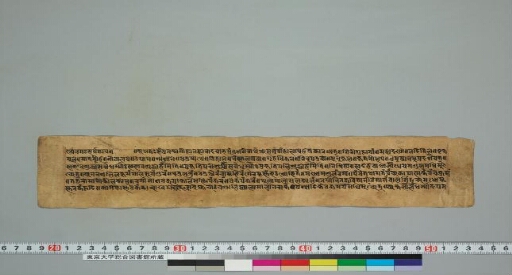
matsunami_143 Language : Sanskrit Scripts : Nepālākṣara
This is a commentary on the Jñānodayatantra (see ms. 142). In the colophon, the manuscript mentions the name of the scribe, but it seems that later, the name was intentionally erased with black ink.
Ḍākārṇavatantra
matsunami_144 Language : Sanskrit Scripts : Nepālākṣara
This is a Buddhist Tantra text that belongs to the Cakrasaṃvara segment of the Buddhist canon. Sugiki believed that this text was composed in the eastern part of the Indian subcontinent, probably between the late 11th and early 12th century. This manuscript contains 51 chapters (paṭalas). The text begins with an invocation to the Vīras and Vireśvarīs who attain the siddhis. It also describes the Maṇḍala with Goddesses and the piṭhas (sacred places) in India, and discusses the process of Abhiṣeka, the practice of Māyādeha and Caṇḍāli, and other practices (The Princeton Dictionary of Buddhism, p. 163). This manuscript is written in Sanskrit ślokas, with fragments of Apabhraṃśa prose and verses, which matches the description of Nagendra Narayan Chaudhuri. It is written in the saṅgīti style. As Nagendra Narayan Chaudhuri mentioned in his Ḍākārṇava edition, the text he dealt with was influenced by Śaurasenī Apabhraṃśa. Vajraḍāka Tathāgata the Preacher.
Ḍākārṇavatantra
matsunami_145 Language : Sanskrit Scripts : Nepālākṣara
This is a Buddhist Tantra text that belongs to the Cakrasaṃvara segment of the Buddhist canon. Sugiki believed that this text was composed in the eastern part of the Indian subcontinent, probably between the late 11th and early 12th century. This manuscript contains 51 chapters (paṭalas). The text begins with an invocation to the Vīras and Vireśvarīs who attain the siddhis. It also describes the Maṇḍala with Goddesses and the piṭhas (sacred places) in India, and discusses the process of Abhiṣeka, the practice of Māyādeha and Caṇḍāli, and other practices (The Princeton Dictionary of Buddhism, p. 163). This manuscript is written in Sanskrit ślokas, with fragments of Apabhraṃśa prose and verses, which matches the description of Nagendra Narayan Chaudhuri. It is written in the saṅgīti style. As Nagendra Narayan Chaudhuri mentioned in his Ḍākārṇava edition, the text he dealt with was influenced by Śaurasenī Apabhraṃśa.
Tattvajñānasaṃsiddhi
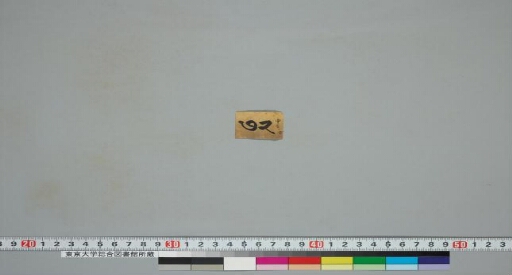
matsunami_146 Language : Sanskrit Scripts : Nepālākṣara
A Buddhist text ascribed to Śūnyatāsamādhivajrapāda or Śūnyasamādhivajrapāda. This text has five sections: Vāhyapūjā vidhi (f.3a), bhāvanā vidhi (f.5a), śiṣyānugraha vidhi (f.6b), mantradhāraṇī vidhi (f.8b), svādhiṣṭhānakarma (f.9a).