
Manuscripts
Search Filter
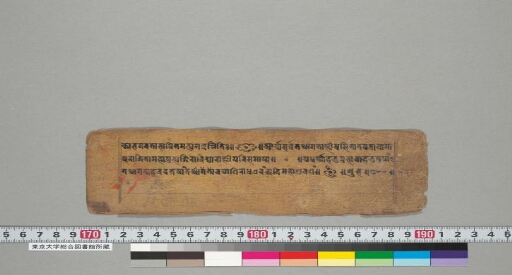
Composite Manuscript (Tathāgatoṣṇīṣasitātapatrā nāma pratyaṅgirā; Tārābhaṭṭārikāyānāmāṣṭottaraśataka; Ajanyakalidharaṇī(?))
matsunami_159 Language : Sanskrit Scripts : Nepālākṣara
This is a composite manuscript containing three works, the first work of which is incomplete. The pagination begins with the colophon section of the Tathāgatoṣṇīṣasitātapatrā nāma pratyaṅgirā text, followed by the Tārābhaṭṭārikāyānāmāṣṭottaraśataka. This work is the same as Sl. No. 157 and 158. The final work is the Ajanyakalidharaṇī. Although this is a small work, the title of the text is uncertain.
Tārābhaṭṭārikāyānāmāṣṭottaraśataka
matsunami_160 Language : Sanskrit Scripts : Rañjanā
This is a Buddhist Dhāraṇī text praising the deity Tārā. This text is the same as Sl. No. 157, 158 and 159.
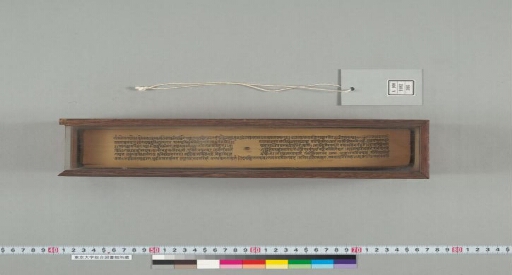
Tīrthacintāmaṇi
matsunami_161 Language : Sanskrit Scripts : Nepālākṣara, Devanāgarī and Tirhuta
A Dharmaśāstra text describes the importance of ceremonies observed during pilgrimages to Prayāga, Puruṣottamakṣetra, Gayā, the Ganges, and Benares, composed by Vācaspati Miśra of Mithilā. He was a well-known scholar of Dharmaśāstra and Navyanyāya. He was the son of Keśava of the Upamanyu gotra and the father of Lakṣmīdāsa. This manuscript covers all five chapters up to Kāśī prakāśa: Prayāga prakāśa (f.21a), Puruṣottamavidhi (f.65a), Gaṅgāprakāśa (f.92b), Gayāprakāśa (f.122a), Kāśīprkāśa (f.132b). This manuscript uses three different scripts: Newari, Devanagari, and Tirhuta. "Fols. 73 and 116 are missing. Two leaves with fol. no.35, 41, 46 and 77 each" (Matsunami. 1965, p. 67).
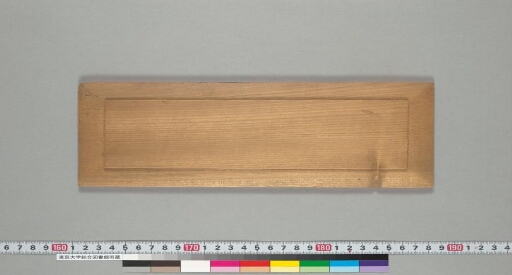
Daśakarmakriyāviddhi
matsunami_162 Language : Sanskrit and Newari Scripts : Nepālākṣara
A Buddhist Dharmaśāstra text describes the rituals performed during the ten rites (Daśakarma) associated with a newborn. This text is composed in two languages: the main body is written in Sanskrit, while the explanations are in Newari. As a result, some repetition of topics can be found throughout the manuscript. The topics addressed in the manuscript include: Jātakarma (f.3b), Nāmakaraṇavidhi (f.4a), Annaprāśanavidhi (f.5a), Pratiṣṭhāvidhi (f.6a), Vighnakilanavidhi (f.7b), Jātakarma (f.10a), Nāmakaraṇavidhi (f.10b), Annaprāśanavidhi (f.11b), Upanayanavidhi (f.12a), Cūḍākaraṇavidhi (f.12b), Vrartāmucchanavidhi (f.13a), Pratiṣṭhāvidhi (f.16b), Makūṭābhiṣeka (f.17a), Vajrābhiṣeka (f.17b), Nāmābhiṣeka (f.17b), Ācāryābhiṣeka (f.17b), Guhyābhiṣeka (f.18a), and Caturthābhiṣeka (f.18a).
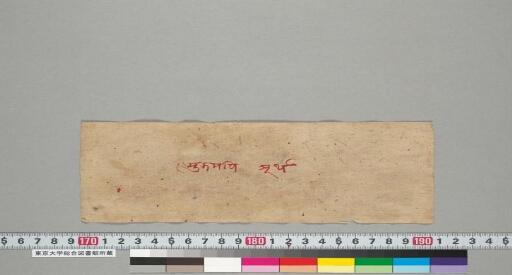
Daśabalastavastotra
matsunami_163 Language : Newari Scripts : Nepālākṣara
A Buddhist Dhāraṇī text written in the Newari language, composed in 24 verses, mentions several deities, demigods, and demons—such as Gandharva, Madanadeva, Daitya, Sūrya, Kṛṣṇa, Yama, and many others. It was composed by Harṣadeva. "Fols. 1–15 are written in black, fols. 15–22 in red" (Matsunami, 1965, p. 68).
Composite Manuscript
matsunami_164 Language : Sanskrit Scripts : Nepālākṣara
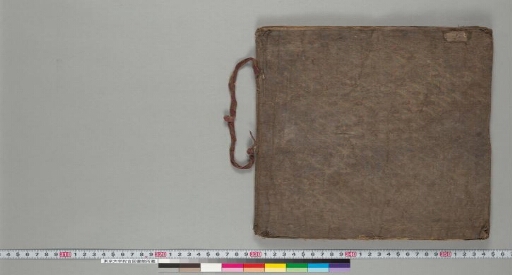
This is a collection of Buddhist stotra works. They include: Daśabalāstavastotra (f.3) This text is not same as Sl. No. 166 Āryāvalokiteśvarabhaṭṭārakasya-Carapratipā-viracitaṃ stotra (f.5) Āryāvalokiteśvarabhaṭṭārakasya-ratnamālāstavastotra (f.7) Āryāvalokiteśvarabhaṭṭārakasya-karuṇāstavastotra (f.9) Āryāvalokiteśvarabhaṭṭārakasya-rūpāstavastotra (f.11) Śrībuddhabhaṭṭārakasya-yaśodharāstotra (f.12) Svayambhūbhaṭṭārakastotra by King Jayapratāpamalla (f.14) Buddhagītastotra (f.15) Caityavandanāstava (f.16) Dharmadhātugīta (f.17) Triguṇātmaka-āryāvalokiteśvarastavarāja by King Jayapratāpamalla (f.19) Āryāvalokiteśvarabhaṭṭārakasya-stavastotra by Bhikṣuṇī Candrikāntā (f.20) Pañcākṣarastotra (f.21) Āryāvalokiteśvarasyavandanāstava (f.22) Pañcabuddhagītastava (f.22) Āryāvalokiteśvarasyarakṣakāstava (f.23) Āryamāyājālaṣoḍaśasāhasrika-Mañjuśrījñānasattvasya-paramārtha-nāmasaṅgīti from the Mahāyogatantra (f.24–f.35) and many other small stotra texts. Matsunami mentioned all these works in his notebook no. 26, p. 12 onwards.
Daśabhūmīśvara-nāma-mahāyānasūtra-ratnarāja
matsunami_165 Language : Sanskrit Scripts : Nepālākṣara
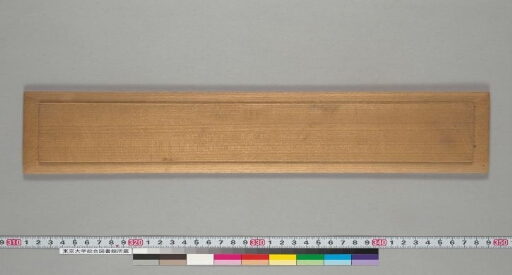
This Buddhist treatise describes ten different stages that one should go through before attaining Buddhahood. These stages are known as bhūmis, from which the title of the work is derived. This text forms one of the nine Dharmas, or sacred scriptures, of the Nepalese Buddhists. Kumārajīva and a collaborator translated this text into Chinese under the name Shi-chu-king. It is composed in a narrative form and claims to have been related by the Buddha, as is the case with most Mahāyāna sūtras. (Mitra, 1882, p.81). This manuscript contains 11 chapters (upto parindanāparivartto-nāmaikādaśaḥ).
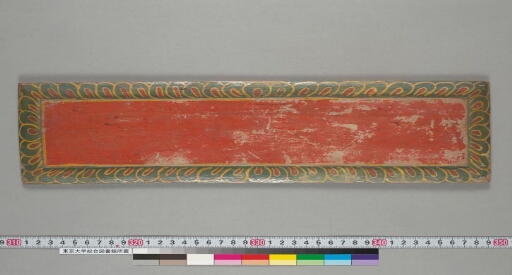
Daśabhūmīśvara-nāma-mahāyānasūtra-ratnarāja
matsunami_166 Language : Sanskrit Scripts : Nepālākṣara
This Buddhist treatise describes ten different stages that one should go through before attaining Buddhahood. These stages are known as bhūmis, from which the title of the work is derived. This text forms one of the nine Dharmas, or sacred scriptures, of the Nepalese Buddhists. Kumārajīva and a collaborator translated this text into Chinese under the name Shi-chu-king. It is composed in a narrative form and claims to have been related by the Buddha, as is the case with most Mahāyāna sūtras. (Mitra, 1882, p.81). This manuscript contains one illustration of a ten-handed Bodhisattva (f.1b), generally associated with Avalokiteśvara, and includes eleven chapters (up to pariṃdanāparivartto-nāmaikādaśaḥ), similar to manuscript Sl. No. 165.
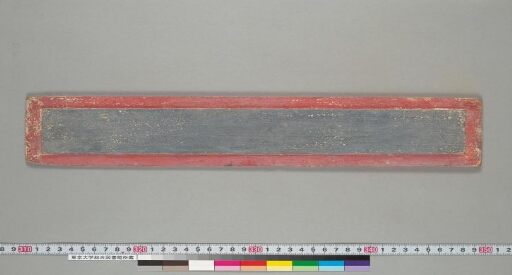
Daśabhūmīśvara-nāma-mahāyānasūtra-ratnarāja
matsunami_167 Language : Sanskrit Scripts : Nepālākṣara
This Buddhist treatise describes ten different stages that one should go through before attaining Buddhahood. These stages are known as bhūmis, from which the title of the work is derived. This text forms one of the nine Dharmas, or sacred scriptures, of the Nepalese Buddhists. Kumārajīva and a collaborator translated this text into Chinese under the name Shi-chu-king. It is composed in a narrative form and claims to have been related by the Buddha, as is the case with most Mahāyāna sūtras. (Mitra, 1882, p.81). This manuscript is similar to Sl. No. 165 and 166, although the name of the last chapter is not mentioned in the colophon.
Dānakamalākara
matsunami_168 Language : Sanskrit Scripts : Devanāgarī
This is a Dharmaśāstra text—the second book of the Dharmatattva by Kamalākara Bhaṭṭa, a member of the well-known Bhaṭṭa family of Benares. He was the son of Umā and Rāmakṛṣṇa and the father of Ananta Bhaṭṭa. (Kane, 1975, p.925 ) The Dharmatattva is divided into ten sections: Vrata, Dāna, Karmavipāka, Śānti, Pūrta, Ācāra, Vyavahāra, Prāyaścitta, Śūdradharma, and Tīrthavidhi. This text outlines the laws concerning various types of offerings and practices related to Hindu rituals.
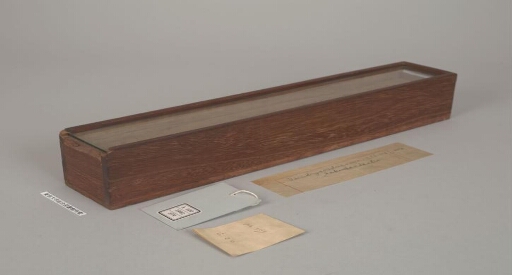
Vasantarājaśākuna
matsunami_169 Language : Sanskrit Scripts : Tirhuta/Mithilākṣara
This is a Jyotiṣa work on divination based on the observation of bird flights, composed by Vasantarāja, the son of Vijayarāja and Satyavatī, and the younger brother of Śivarāja. At the beginning of the manuscript, the genealogy of his family is provided, along with the name of his patron, Candradeva. A commentator, Bhānucandragaṇi, identifies this Candradeva as a king of Mithila, which supports the claim that Vasantarāja originated from Mithila. (See Indic Manuscript Cultures through the Ages: Material, Textual, and Historical Investigations, pp. 115–116.)
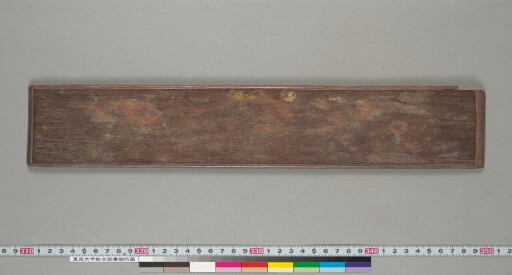
Divyāvadāna
matsunami_170 Language : Sanskrit Scripts : Nepālākṣara
The Divyāvadāna is a collection of avadāna stories compiled between the 3rd and 4th centuries, and is one of the largest and earliest sources of Indian Buddhist narrative literature. The narratives it contains are set during the time of the Buddha’s stay in Śrāvastī, in the garden of Anāthapiṇḍada. This manuscript includes 25 stories, beginning with the Śroṇakoṭikarṇāvadāna (fols. 1b–16a) and ending with the Jyotiṣkāvadāna (fols. 328a–351b), along with a Dānādhikāra-Mahāyānasūtra included at fol. 294b. Matsunami notes: “Fol. 16 missing. 2 leaves with fol. no. 294.” (Matsunami, 1965, p. 70).