
Manuscripts
Search Filter
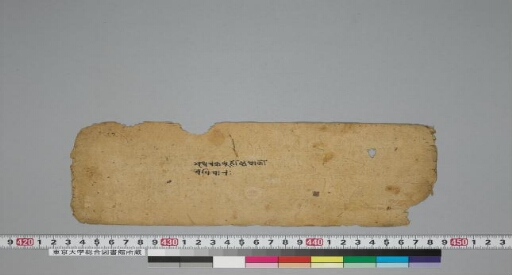
Composite Manuscript: Cakravyūhāṣṭadhākoṭavikāra; Kāśīśvarīmahāgamapraśnaśāstra; Viṃśottarīdaśā; Ramalaśāstra or Ramalavaicitrya; Dinaniyama; Ramalapraśnavicāra
matsunami_123 Language : Sanskrit Scripts : Nepālākṣara
This is a composite manuscript containing short works on astrology. The works it contains are: Cakravyūhāṣṭadhākoṭavikāra (f. 1b-8a), Kaśīśvarīmahāgamapraśnaśāstra (f. 9a-12b); this work has three sections. Viṃśottarīdaśā (13a-14a): It seems that this work explains māsadaśā, muddaśā, and nityadaśā. Folio 13b mentions the name of a scribe, Nandarāma, after the completion of the muddaśā part. From folio 14a, the Ramalaśāstra or Ramalavaicitrya by Rāma Daivajña begins. He was the son of Kṛṣṇa, grandson of Rāma, and great-grandson of Rāmarudra of the Bhāradvāja gotra. It is a commentary on Yavanācārya's Ramalaśāstra (NCC, Vol. 23, p. 82). After the completion of the previous text, the second part of the manuscript begins with new pagination starting from folio 1, and the first work is Rāma Daivajña's Ramalaśāstra or Ramalavaicitrya. After the text, three folios contain astrological charts with numbers. The next work is Dinaniyama (13b-14b). The last work is Ramalapraśnavicāra (14b-34b). From its title, it seems that it could be Bhaṭṭotpala's work on Ramalaśāstra or Ramalajyotiṣa.
Cakrāvadāna
matsunami_124 Language : Sanskrit Scripts : Nepālākṣara
This manuscript contains the third chapter of Ratnamālāvadāna text, a collection of stories about the previous Buddhas. It is written in a dialogue format between Sage Upagupta and King Aśoka. The story as follows: while the Lord resided in the Bamboo Grove at Rājagṛiha, a merchant with a devoted wife struggled financially. His income was always insufficient, and his wealth was nearly depleted. Encouraged by her wife, the merchant set off on a distant journey. During his absence, his wife worshipped Viṣṇu, vowing to offer a golden discus if her husband returned safely and prosperous. When her husband returned wealthy, she went to the Viṣṇu temple to fulfill her vow. On her way, the Lord appeared before her in the form of Śrighana, displaying all the signs of greatness. She offered the discus and, in deep meditation, prayed to become a Buddha Sugata, free from suffering and with control over the senses. The Lord blessed her, declaring she would become Chakrāntara, a great Pratyeka Buddha.
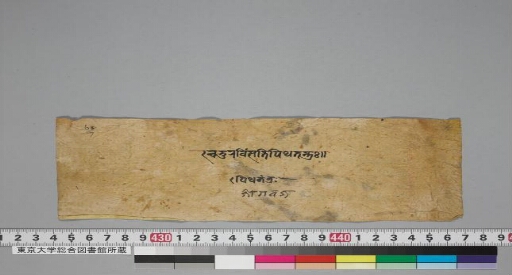
Caturaviṃśatipīṭhatantra
matsunami_125 Language : Sanskrit Scripts : Nepālākṣara
This is a Buddhist Tantra text that deals with spiritual practices and mantras. It describes 14 vidhis, and afterward, the text provides detailed descriptions of mudrās and how to use them during the worship of deities such as Prajñāpāramitā, Vajra-Ḍākinī, Jñāna-Ḍākinī, and Vetāla, along with different mantras and objects. Matsunami mentioned to check bendall's catalogue of Buddhist add. 1074. "śloka-style, cf. Bendall Add. 1704 Catuḥpīṭhatantra" (Matsunami, 1965, p. 53).
Caturviṃśatipīṭhapūjāvidhi and Aṣṭamātṛkāpūjāvidhi
matsunami_126 Language : Sanskrit Scripts : Nepālākṣara
This manuscript contains two sets of texts. The first is a Buddhist Tantra manuscript that describes the Aṣṭamātṛkā (eight deities) and their worship rituals. These deities are: Brahmāyaṇī (f.1b-5a); Māheśvarī (f.5b-8b); Kaumārī (f.9a-12a); Vaiṣṇavī (f.12b-16a); Vārāhī (f.16b-20a); Indrāyaṇī (f.20b-23b); Cāmuṇḍā (f.24a-28a); and Mahālakṣmī (f.28b-32a). Other sections include: Gaṇapatipūjāvidhi (f.32b-35b); Bhairavapūjāvidhi (f.36a-f.41a); Kṣetrapālapūjāvidhi (f.41b-f.44a); Siṅghinidevīpūjāvidhi (f.45a-f.46b); Vyāghriṇīdevīpūjāvidhi (f.47a-f.49a). Starting from folio 49b, the Aṣṭamātṛkāpūjāvidhi text begins and continues up to folio 54a.
Cāṇakyasārasaṅgraha
matsunami_127 Language : Sanskrit and Newari Scripts : Devanāgarī
This manuscript contains a Newari commentary on the Cāṇakyasārasaṅgraha, a text that contains nīti verses ascribed to Cāṇakya. Many texts have been found under the same category. L. Sternbach studied and divided these texts into six versions: I. Vṛddha-Cāṇakya—Larger version II. Vṛddha-Cāṇakya—Shorter version III. Cāṇakyanītiśāstra IV. Cāṇakyasārasaṅgraha V. Laghu-Cāṇakya VI. Cāṇakyarājanītiśāstra (NCC, Vol. 7, p. 4). It seems that the present text belongs to the fourth section.
Caityapuṅgala
matsunami_128 Language : Sanskrit Scripts : Nepālākṣara
A Buddhist ritual text explains caitya-related rituals. The text is composed in a dialogue form between Vasubandhu and King Indrapṛṣṭha.
Caityapuṅgava
matsunami_129 Language : Sanskrit Scripts : Nepālākṣara
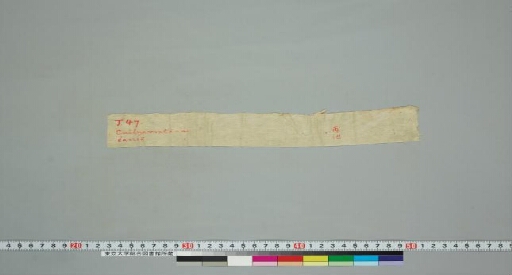
A Buddhist ritual text on the adoration of the caityas and their benefits. "On 4a1, there is the word ``sucetana'' which is the name of the Bodhisattva who takes an important part in the Caitya-puṅgava, and thus we assume this Ms. is of the latter. After 15a1, the Ms. differs from that of Mitra's NBL, and on 15a2 there are words '' iti vīra-citya-kathā-saṃgrahaṃ samāpta'' which are not found in Mitra's. It seems that the Ms. turns, in the middle, to the other one." (Matsunami, 1965, p. 54).
Caityavratānuśaṃsāvadāna
matsunami_130 Language : Sanskrit Scripts : Nepālākṣara
An Avadāna text, being the 8th chapter of the Aśokāvadānamālā (Matsunami, 1965, p. 55) , is a part of the Aśoka-Upagupta chronicles, in which Upagupta narrates and explains the rituals and benefits of the caitya pūjā to King Aśoka.
Caityavratānuśaṃsāvadāna
matsunami_131 Language : Sanskrit Scripts : Nepālākṣara
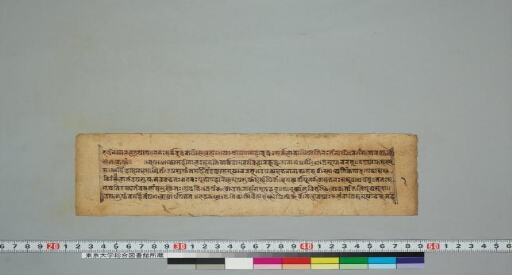
An Avadāna text, being the 8th chapter of the Aśokāvadānamālā (Matsunami, 1965, p. 55) , is a part of the Aśoka-Upagupta chronicles, in which Upagupta narrates and explains the rituals and benefits of the caitya pūjā to King Aśoka. The manuscript includes an additional folio at the end containing Buddhist mantras.
Caityavratānuśaṃsāvadāna
matsunami_132 Language : Sanskrit Scripts : Nepālākṣara
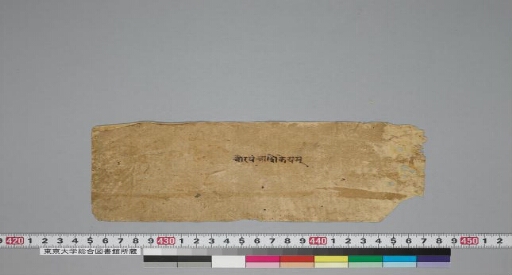
An Avadāna text, being the 8th chapter of the Aśokāvadānamālā (Matsunami, 1965, p. 55) , is a part of the Aśoka-Upagupta chronicles, in which Upagupta narrates and explains the rituals and benefits of the caitya pūjā to King Aśoka.
Caurapañcāśikā and Ṭīkā
matsunami_133 Language : Sanskrit Scripts : Devanāgarī
A Sanskrit kāvya composed of 50 lyrical verses, ascribed to Bilhaṇa, an 11th-century Kashmiri poet. However, it is sometimes also ascribed to Cora, Sundara, or Vararuci. In one South Indian version, it is embedded in the Bilhaṇakāvya. Only 33 verses are common to the Kashmir version and the South Indian version (NCC, Vol. 7, p. 88). The text describes a romantic legend of a princess and a poet. The poet was appointed as a teacher to the princess, but both became involved in a secret affair. After the king sentenced the poet to death as punishment, the poet began reciting the adyāpi verses (even now) while awaiting execution, celebrating his love. Due to the magical power of these verses, he was granted his life and the princess. Each verse of this text begins with the adyāpi verses (even now) and is voiced in the first person (Barbara Stoler Miller, 1971, pp. 2-3). This manuscript contains a commentary titled Vilāsijanakairavacandrikā by Gaṇapati son of Rāma Upādhyāya.
Janmarājāmāhātmyadhāraṇī
matsunami_134 Language : Sanskrit Scripts : Nepālākṣara
A short Buddhist text written in 24 verses on rituals, praising the God of the dead. It seems that it describes the rituals related to the dead.