
Manuscripts
Search Filter
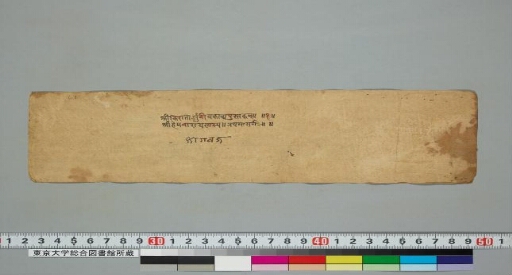
Kirātārjunīya
matsunami_101 Language : Sanskrit Scripts : Devanāgarī
A Mahākāvya contains 18 cantos (sarga) based on an episode from the Mahābhārata. It narrates the story of Arjuna's penance and the war between Śiva, disguised as Kirāta, and Arjuna, as well as how Arjuna obtains divine weapons from Śiva. This text is considered one of the major Mahākāvyas. The author of the text was Bhāravi, who is referred to alongside Kālidāsa in the Aihole inscription of Pulakeśin II (d. 634 A.D.). Bhāravi was also a friend of Daṇḍin's great-grandfather Dāmodara and a contemporary of Kubja Viṣṇuvardhana of the Eastern Cālukyas and Durvinīta of the Gāṅgas, according to the Avantisundarī. (NCC, Vol. 4, p. 157). This manuscript contains only the first act (sarga) and includes marked meters with laghu and guru signs. Folio 6b (the final folio) contains marginal notes.
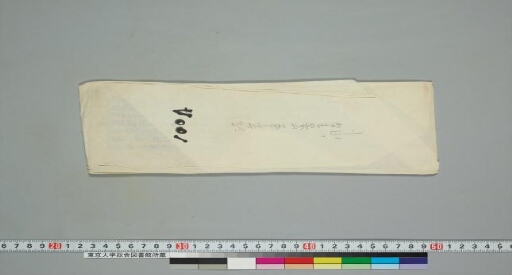
Kīrtiviṣayāvadānaparikarmakathā
matsunami_102_1 Language : Sanskrit Scripts : Nepālākṣara
This text is based on Chapter 22 of the Saddharmapuṇḍarīkasūtra, titled Bhaiṣajyarājapūrvayoga-parivarta. However, it appears to recount a similar story of the Bodhisattva Bhaiṣajyarāja, as narrated by the Śākyamuni Buddha to Bodhisattva Nakṣatrarājasaṃkusumitābhijña. Despite this, the text does not adhere to the original word for word. In the conclusion, it shifts focus to Buddhist rituals associated with Nakṣatrarājasadharmadhātupūjā and outlines the benefits of listening to this text.
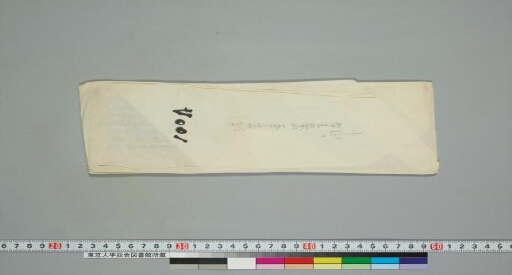
Piṇḍapātrāvadāna
matsunami_102_2 Language : Sanskrit Scripts : Nepālākṣara
An Avadāna text praises the giving of alms-bowls to Buddhist mendicants. The story tells of Sarvānanda, the king of the great city of Dīpavatī, who once visited the renowned Vihāra of Prasannaśīla. During this visit, he brought the Buddha Dīpaṅkara to his city and presented him with an alms-bowl filled with rice. In response, the Buddha expounded on the merits and spiritual significance of giving alms (Mitra, 1882, p. 195). The first folio of this manuscript is missing.
Kārtikāvratakathā
matsunami_102_3 Language : Sanskrit Scripts : Nepālākṣara
A Buddhist ritual text discusses the merits of the caityavrata, ahorātravrata, and Kārtikāvrata. This text is written in the kathā (storytelling) style. The story goes that, during a Buddhist council in Jetavana, a discussion was taking place on caityavrata. Subhūti asked the Buddha to describe the merits of ahorātravrata. In response, the Buddha tells a story in which the great scholar Vasubandhu describes the merits of caityavrata, ahorātravrata, and Kārtikāvrata to the king of Indrapṛṣṭa, who ruled over Pūrvavideha before it was called Gandhavatipūrī. In this manuscript, the discussions on ahorātravrata and caityavrata start on folio 1b and end on folio 7a, while Kārtikāvrata starts on folio 7b and ends on 13b.
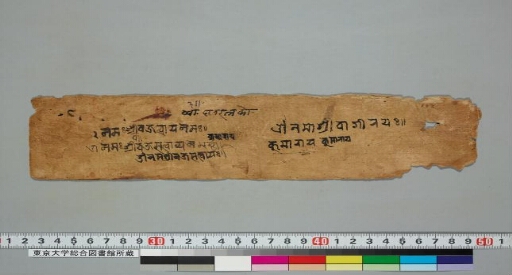
Kumārasaṃbhava
matsunami_103 Language : Sanskrit Scripts : Nepālākṣara
A Sanskrit Mahākāvya (epic) written by Kālidāsa, a 4th-century Sanskrit poet, who is well-known for his poetic creations. In some versions, the text contains 17 chapters (sargas), while in others, it contains eight chapters (sargas). Many scholars believe that the original work contains only eight chapters. The story of this epic narrates the birth of Kumāra (Kārttikeya). This text is also considered one of the best works of Kālidāsa due to his descriptions of springtime, the beauty of goddess Pārvatī, and many other elements. This manuscript contains eight chapters (sargas). The colophon of this manuscript states that it was completed on a Tuesday during the month of Mārgaśīrṣa (the ninth month of the Hindu calendar) in the Nepal Saṃvat 820/830.
Kurukullākalpa
matsunami_104 Language : Sanskrit Scripts : Nepālākṣara
The Practice Manual of Noble Tārā Kurukullā is the most comprehensive text on the female Buddhist deity Kurukullā, the only canonical scripture dedicated to her. It highlights her role as the chief deity of magnetization, particularly in enthrallment. The text is a collection of ritual practices, ranging from sādhana and homa rituals to magical methods using herbs and minerals. Its content blends apotropaic, soteriological, practical, and philosophical elements, creating a spiritually rich Buddhist work.(The Practice Manual of Kurukullā, Trans. e Dharmachakra Translation Committee, s1). This is a complete manuscript contains eight chapters.
Kurukullākalpa
matsunami_105 Language : Sanskrit Scripts : Nepālākṣara
The Practice Manual of Noble Tārā Kurukullā is the most comprehensive text on the female Buddhist deity Kurukullā, the only canonical scripture dedicated to her. It highlights her role as the chief deity of magnetization, particularly in enthrallment. The text is a collection of ritual practices, ranging from sādhana and homa rituals to magical methods using herbs and minerals. Its content blends apotropaic, soteriological, practical, and philosophical elements, creating a spiritually rich Buddhist work.(The Practice Manual of Kurukullā, Trans. e Dharmachakra Translation Committee, s1). This is a complete manuscript contains eight chapters.
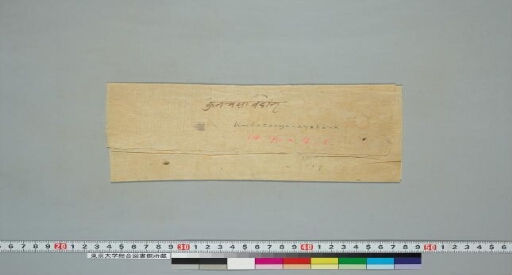
Kulāṣṭaka Kula-caryāvadāna
matsunami_106 Language : Sanskrit Scripts : Nepālākṣara
A Śaiva tantra manuscript contains incomplete chapters from the Manthānabhairava Kumārikākhaṇḍa. It seems that the manuscript originally included additional chapters from the Kumārikākhaṇḍa, as the extant copy begins only from folio 39a. The text begins with śloka 14 of chapter 11, although Mark S. G. Dyczkowski’s printed edition of the Kumārikākhaṇḍa places the same śloka in chapter 11, but numbered as śloka 7. It is also noteworthy that the manuscript ends abruptly in the middle of the sixteenth chapter, at a point where the śloka venerates Goddess Guhyeśvarī, who eternally resides alongside the God Paśupati in Nepal. The manuscript seems to emphasize themes related to Vidyā, Kaula practices (caryā), and caryāpāda. As Matsunami has observed, the text takes the form of a dialogue between Śrīvakrā and Śrīnātha, with Śrīnātha posing questions and Śrīvakrā (the deity) providing answers. At times, other voices are included in the conversation, reflecting a distinctly Puranic narrative style.
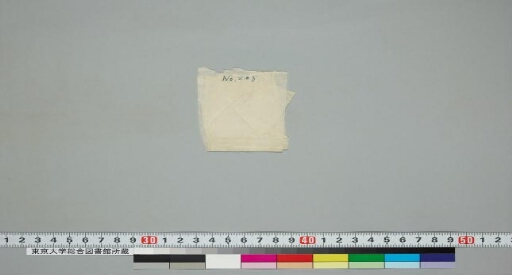
Kuliśeśvara bhāvanā guhya
matsunami_107 Language : Sanskrit Scripts : Nepālākṣara
A Buddhist Tantric text praises the God Kuliśeśvara (God of Thunderbolt). It seems that this is a Vajrayāna text, as it has 16 small segments, with each segment ending with a ritual called caraṇa-pradakṣiṇa (rite of circumambulation of the god's feet) of Kuliśeśvara for liberation from sins. The line ends with "mānasicakra."
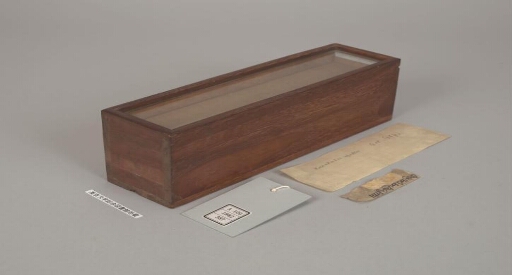
Kuśopadeśa(nītisāra)
matsunami_108 Language : Sanskrit and Newari Scripts : Nepālākṣara
A nītiśāstra text in three aṣṭakas, each aṣṭaka containing eight ślokas (poems), was composed by a certain Aṅgadākumāra. In the text, Kuśa, the son of Rāma, was addressed by Sugrīva, Tārā, and Aṅgada. This manuscript contains all three aṣṭakas, and it seems that it has a commentary in Newari. Haraprasad Shastri mentioned a manuscript titled Kuśopadeśaṭīkā in A Catalogue of Palm-Leaf and Selected Paper MSS. Belonging to the Durbar Library, Nepal (1905), in which he wrote that it is a commentary on Kuśopadeśa, allegedly written by the Buddhist Vajrācārya Bāndhavasena, who belonged to the Mahāvihāra to the east of Kāṣṭhamaṇḍapa (Kathmandu), written in Nepālākṣarā (Newari) characters and dated to 1524 CE. In this manuscript, the first chapter, Sugrīvāṣṭaka, ends on folio 49a, the second chapter, Tārādevyāślokāṣṭaka, ends on folio 76a, and the final chapter, Aṅgadākumāropadeśa, ends on folio 95a.
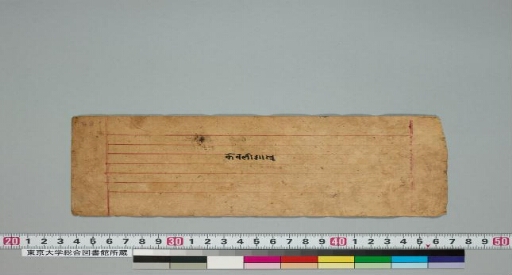
Kevalīśāstra
matsunami_109 Language : Newari Scripts : Nepālākṣara
A text on jyotiṣa is divided into four prakaraṇas. Each prakaraṇa is identified by a letter (a, va, pa, and da), with further subdivisions within each. It appears that this is a Newari translation of the Keralīpraśnadīpaka.
Kauśīdyavīryotsāhanāvadāna
matsunami_110 Language : Sanskrit Scripts : Nepālākṣara
This manuscript contains the first chapter of Avadānaratnamālā text, a collection of stories about the previous Buddhas. It is written in a dialogue format between Sage Upagupta and King Aśoka. The first chapter is called Kauśīdyavīryotsāhanāvadāna. It tells the story of a wealthy man, Putraka, and his son, Nanda, who suffered from anemia. Despite his condition, Nanda mastered many sciences and became devout. In search of a cure, Putraka sought help from his guru, a Tīrthika named Pūraṇa, who promised that Nanda would recover if six sages, including himself, appeared before him. However, Nanda remained bedridden and did not greet the sages. The situation grew desperate, and then Lord Buddha intervened by sending golden rays to Nanda, lifting his spirits. Nanda recovered, got up, and greeted the Lord, who blessed him with a sandalwood stick. Buddha told Nanda that striking the stick would bring wealth. Later, Nanda traveled for trade, gained riches, and invited Buddha to a feast. After the meal, when Buddha smiled, Ānanda asked why. Buddha responded that Nanda would eventually become a great Sugata, named Kauśigha. (Mitra, 1882, pp. 197-198).