Manuscripts
Search Filter
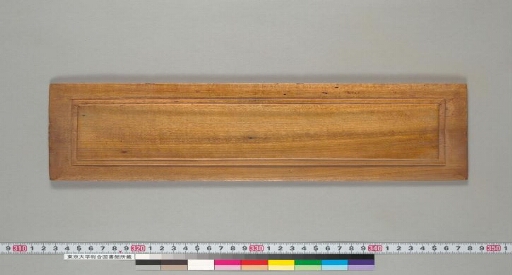
Divyāvadāna
matsunami_171 Language : Sanskrit Scripts : Nepālākṣara
The Divyāvadāna is a collection of avadāna stories compiled between the 3rd and 4th centuries, and is one of the largest and earliest sources of Indian Buddhist narrative literature. The narratives it contains are set during the time of the Buddha’s stay in Śrāvastī, in the garden of Anāthapiṇḍada. This manuscript starts with the Śroṇakoṭikarṇāvadāna (fols. 1b–21b) and ending with the Rūpāvadāna (fols.465b–474b), Although the colophon of the Rūpāvadāna mentions that it is the 36th story, the manuscript includes the Aśokāvadāna before it, whose colophon identifies it as the 30th chapter. However, the folio numbering is maintained in sequential order. It is also important to note that the chapters throughout the manuscript do not follow a consistent numerical sequence. Matsunami notes: “2 leaves with fol. No. 176 and with fol. No. 184. The paginations of 252, 255, 303, 351 and 454 are missed out.” (Matsunami, 1965, p. 71).
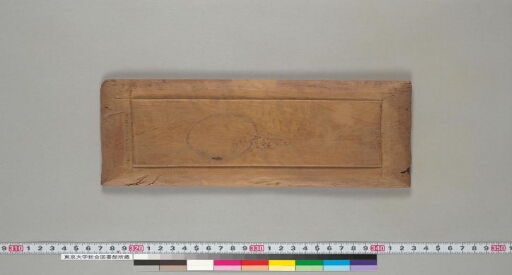
Piṇḍapātrāvadānakathā
matsunami_172 Language : Sanskrit Scripts : Devanāgarī
An Avadana text praises the giving of alms-bowls to Buddhist mendicants. The story tells of Sarvānanda, the king of the great city of Dīpavatī, who once visited the renowned Vihāra of Prasannaśīla. During this visit, he brought the Buddha Dīpaṅkara to his city and presented him with an alms-bowl filled with rice. In response, the Buddha expounded on the merits and spiritual significance of giving alms (Mitra, 1882, p. 195).
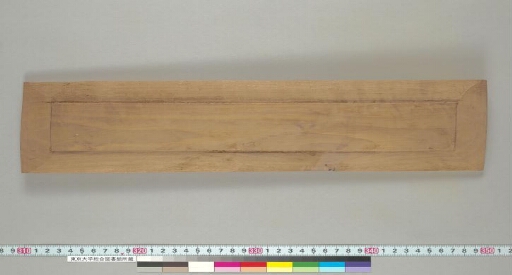
Dīpaṅkaravastu
matsunami_173 Language : Sanskrit Scripts : Nepālākṣara
This is an extract from the Mahāvastu-Avadāna that describes Kaśyapa's account of Dīpaṅkara Buddha to Maudgalyāyana (Mitra, 1882, pp. 115–119). However, the colophon of the manuscript mentions that the account was told by Śākyamuni. Matsunami notes: "This is a Ms. of the Mahāvastu. The last part is written in amplification" (Matsunami, 1965, p. 71).
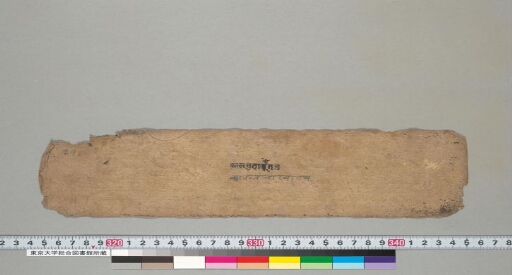
Daurgasiṃhavṛtti
matsunami_174 Language : Sanskrit Scripts : Nepālākṣara
This is a Sanskrit grammar commentary by Durgasiṃha (10th century) on the Kātantra sūtras. It is considered one of the earliest commentaries on the Kātantra sūtras. Kātantra belongs to a non-Pāṇinian grammatical tradition; it is a concise treatise that appears to be a simplified version of Pāṇini’s Aṣṭādhyāyī, composed for beginners. It is also known as Kaumāra or Kālāpa Vyākaraṇa, attributed to Śarvavarman, to whom this system is said to have been revealed by the god Kumāra (hence the names Kaumāra and Kālāpa). According to the Kathāsaritsāgara, the system was devised to teach Sanskrit quickly to King Sātavāhana. This manuscript contains two complete chapters (Sandhi, Nāmnicatuṣṭaya), as well as up to 28 sūtras from the third pāda of Ākhyāta chapter.
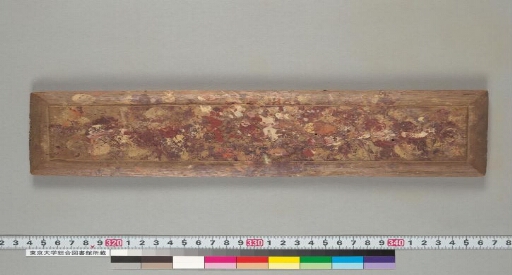
Dvādaśasāhasrikā mahāpratyaṅgirā
matsunami_175 Language : Sanskrit Scripts : Nepālākṣara
A Buddhist text describes several mantras related to Mahāpratyaṅgirā, a deity in the Tantric Buddhist pantheon. At the beginning of the manuscript, the iconography of the deity is described: Mahāpratyaṅgirā is blue in colour. In the Sādhanamālā, the deity is imagined with one face, six arms and blue in colour. (Bhattacharyya, 1924, p. 88). This manuscript also contains the Uṣṇīṣa-sitātapatrā-nāma-aparājitā-mahāpratyaṅgirā-mahāvidyā text (f.100a). In the colophon, the manuscript gives the title as: Ity āryya-dvādaśasāhasrīkāyāṃ mahāpratyaṅgirāyāṃ sarvvatathāgatoṣṇīṣasītātapatrānāma mahāvidyārājñī avalokṛta-mūrddhni-tṛtīya-kalpa samāpta. Although some words are misspelled, the title is still clearly recognizable and is similar to that found in SOAS MS.211250. R. C. Dogra documented the colophon of SOAS MS.211250 in A Handlist of the Manuscripts in South Asian Languages in the Library.
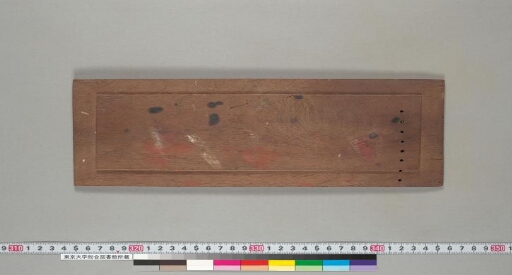
Dvādaśasāhasrikā mahāpratyaṅgirā
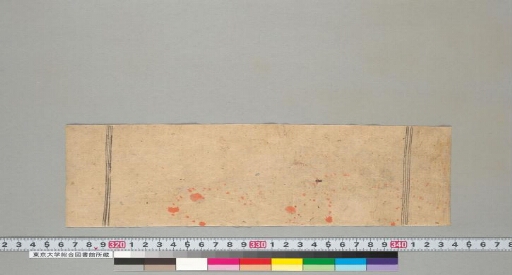
matsunami_176 Language : Sanskrit Scripts : Devanāgarī
A Buddhist text describes several mantras related to Mahāpratyaṅgirā, a deity in the Tantric Buddhist pantheon. At the beginning of the manuscript, the iconography of the deity is described: Mahāpratyaṅgirā is blue in colour. In the Sādhanamālā, the deity is imagined with one face, six arms and blue in colour. (Bhattacharyya, 1924, p. 88). This manuscript also contains the Vajradharavajrapāṇipratyaṅgirā-bodhicittaparigrahākathā (f.29a); mahāpratyaṅgirā-mahāvidyāyādharmmasmita (f.120a); Uṣṇīṣa-sitātapatrā-nāma-aparājitā-mahāpratyaṅgirā-mahāvidyā text (f.122a); This work is similar to Sl. No. 175. In the colophon, the manuscript gives the title as: Ity āryya-dvādaśasāhasrīkāyāṃ mahāpratyaṅgirāyāṃ sarvatathāgatoṣṇīṣasītātapatrānāma mahāvidyārājñī avalokita-mūrddhinī-tṛtīya-kalpa samāpta. This work is similar to that found in SOAS MS.211250. R. C. Dogra documented the colophon of SOAS MS.211250 in A Handlist of the Manuscripts in South Asian Languages in the Library.
Dvādaśasāhasrikā mahāpratyaṅgirā
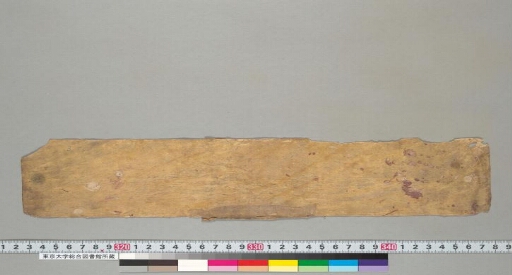
matsunami_177 Language : Sanskrit Scripts : Nepālākṣara
A Buddhist text describes several mantras related to Mahāpratyaṅgirā, a deity in the Tantric Buddhist pantheon. At the beginning of the manuscript, the iconography of the deity is described: Mahāpratyaṅgirā is blue in colour. In the Sādhanamālā, the deity is imagined with one face, six arms and blue in colour. (Bhattacharyya, 1924, p. 88). This manuscript also contains the Vajradharavajrapāṇipratyaṅgirā-bodhicittaparigrahokathā (f.31a); mahāpratyaṅgirā-mahāvidyāyāsadharmmasmita (f.110a); Uṣṇīṣa-sitātapatrā-nāma-aparājitā-mahāpratyaṅgirā-mahāvidyā (f.112a); This work is similar to Sl. No. 175, 176. In the colophon, the manuscript gives the title as: Ity āryya-dvādaśasāhasrīkāyāṃ mahāpratyaṅgirāyāṃ sarvatathāgatoṣṇīṣasītātapatrānāma mahāvidyārājñī avalokita-mūrddhinī-tṛtīya-kalpa samāpta. This work is similar to that found in SOAS MS.211250. R. C. Dogra documented the colophon of SOAS MS.211250 in A Handlist of the Manuscripts in South Asian Languages in the Library.
Dvādaśasāhasrikā mahāpratyaṅgirā
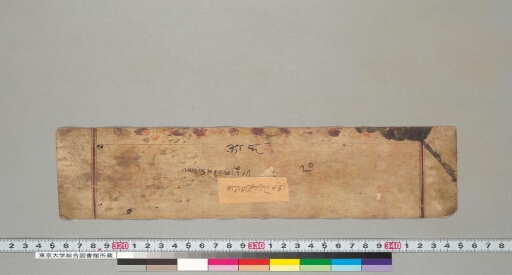
matsunami_178 Language : Sanskrit Scripts : Nepālākṣara
A Buddhist text describes several mantras related to Mahāpratyaṅgirā, a deity in the Tantric Buddhist pantheon. At the beginning of the manuscript, the iconography of the deity is described: Mahāpratyaṅgirā is blue in colour. In the Sādhanamālā, the deity is imagined with one face, six arms and blue in colour. (Bhattacharyya, 1924, p. 88). This manuscript also contains the Uṣṇīṣa-sitātopatrā-nāmāparājitā-mahāpratyaṅgīrā-pratyadevatā-sarvamāravidhvaṃsitā (f.13b); Vajradharavajrapāṇipratyaṅgirā-bodhicittaparigrahokathā (f.25a); mahāpratyaṅgirā-mahāvidyāyāsadharmma 'smita (f.105a); Uṣṇīṣa-sitātapatrā-nāma-aparājitā-mahāpratyaṅgirā-mahāvidyā (f.118b). This work is similar to Sl. Nos. 175, 176, and 177. Several folia of the manuscript depict small illustrations of flowers, bells, yantras, and vajras. The final two folia are illegible, with portions of the writing erased in several places. In the colophon, the manuscript gives the title as: Ity āryya-dvādaśasāhasrīkāyāṃ mahāpratyaṅgirāyāṃ sarvatathāgatoṣṇīṣasītātapatrānāma mahāvidyārājñī avalokita-mūrddhinī-tṛtīya-kalpa samāpta. This work is similar to that found in SOAS MS.211250. R. C. Dogra documented the colophon of SOAS MS.211250 in A Handlist of the Manuscripts in South Asian Languages in the Library.
Dvādaśasāhasrikā mahāpratyaṅgirā
matsunami_179 Language : Sanskrit Scripts : Nepālākṣara
A Buddhist text describes several mantras related to Mahāpratyaṅgirā, a deity in the Tantric Buddhist pantheon. At the beginning of the manuscript, the iconography of the deity is described: Mahāpratyaṅgirā is blue in colour. In the Sādhanamālā, the deity is imagined with one face, six arms and blue in colour. (Bhattacharyya, 1924, p. 88). This manuscript also contains the Uṣṇīṣa-sitātopatrā-nāmāparājitā-mahāpratyaṅgīrā-pratyadevatā-sarvamāravidhvaṃsitā (f.13b); Vajradharavajrapāṇipratyaṅgirā-bodhicittaparigrahokathā (f.25b); Uṣṇīṣa-sitātapatrā-nāma-aparājitā mahāpratyaṅgirā-mahāvidyā (f.152b). This work is similar to Sl. Nos. 175, 176, 177 and 178. Several folia of the manuscript depict small illustrations. Folia 110-119 are missing from this manuscript. The final two folia are illegible, with portions of the writing erased in several places. In the colophon, the manuscript gives the title as: Ity āryya-dvādaśasāhasrīkāyāṃ mahāpratyaṅgirāyāṃ sarvatathāgatoṣṇīṣasītātapatrānāma mahāvidyārājñī avalokita-mūrddhinī-tṛtīya-kalpa samāpta. This work is similar to that found in SOAS MS.211250. R. C. Dogra documented the colophon of SOAS MS.211250 in A Handlist of the Manuscripts in South Asian Languages in the Library.
Dvāviṃśatyavadānakathā
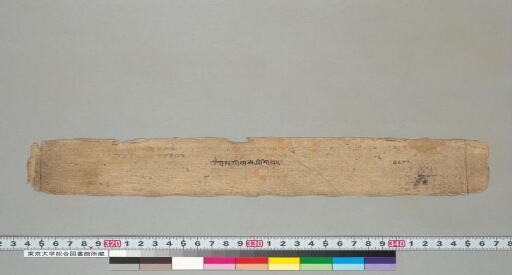
matsunami_180 Language : Sanskrit Scripts : Nepālākṣara
A compilation of Buddhist birth stories of relatively late origin, much of which—particularly the prose sections—was borrowed from the Avadānaśataka (Turner & Turner, Collected Papers 1912–1973, 1975, p. 11). This manuscript contains 24 chapters. The manuscript includes two folia with pagination number 79; folio 90 is missing, and the end part of chapter 16 is also missing. After folio 91, one folio without a page number appears twice in the digitized version; this folio contains chapter 18. Folios 92–98 are missing, and parts of chapter 19 are also absent. The manuscript contains the following chapters: Ṣaḍgatisaṃsārakathā (f.3a); Daśākuśalakathā (f.4b); Puṇyaprotsāhanakathā (f.5b); Dānakathā (f.8a); Jīrṇoddhāraṇabiṃbakathāparivartta (f.22a); Snānakathāparivartta (f.28b); Kuṃkumādidānakathāparivartta (f.37a);; Chatradānakathā (f.41a); Dhātvāropanakathā (f.49a); Puṇyakāma (f.54a); Maṇḍalakathāparivartta (f.60b); Annadānabhojanakathāparivartta (f.64b); Pānadānakathāparivartta (f.70a); Vastradānakathāparivartta (f.73b); Puṣpārohanakathāparivartta (f.79b); Ujvālikādānakathāparivartta (f.93a); Dīpadānakathāparivartta (f.92a); Vihāradānakathāparivartta (f.102b); Puṣpāvadānaparivartta (f.109a); Candranonāma-avadānaparivartta (f.112a); Puṇyaprasādhana (f.122b); Puṇyayotsāhanaparivartta (f.123b).
Dvāviṃśatyavadānakathā
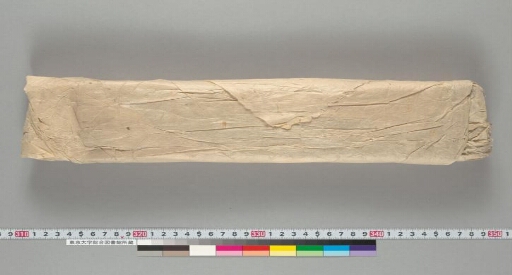
matsunami_181 Language : Sanskrit Scripts : Nepālākṣara
A compilation of Buddhist birth stories of relatively late origin—much of which, particularly the prose sections, was borrowed from the Avadānaśataka (Turner & Turner, Collected Papers 1912–1973, 1975, p. 11). This manuscript contains 25 chapters. The manuscript includes the following chapters: Puṇyaprotsāhana (f.4b); Śrīdharmaśravaṇapuṇyaprotsāhanakathā (f.4b-5a); Manuṣyadurlabhakathā durlabha (f.5a); Dānakathā (f.5b); Puṇyakāma (f.10a); Jīrṇoddhāraṇastūpabiṃbakathāparivartta (f.18a); Snānakathāparivartta (f.23b); Kuṃkumādidānakathāparivartta (f.31b); Chatradānakathā (f.35b); Dhātvāvaropanakathā (f.41b); Maṇḍalakathā (f.46b); Bhojanakathā (f.49b); Pānadānakathā (f.53b); Vastradānakathā (f.56b); Puṣpakathā (f.61a); Praṇāmakathā (f.66b); Ujvālikādānakathā (f.70b); Dīpakathā (f.75a); Vihāradānakathā (f.78b); Suvarṇābhāvadāna (f.81b); Citrakarmāvadāna (f.92b); Siṃhakeśaristhāpanā (f.137b); Vapuṣmānavadāna (f.140b); Dānakathā (f.152a). Chapters 21 and 22 of this manuscript are not found in other manuscripts. The beginning verse differs from that of manuscript No. 180 (Matsunami, 1965, p. 74). This text is similar to Sl. No. 180; however, the chapter titles and the arrangement of chapters are different.
Dvāviṃśatyavadānakathā
matsunami_182 Language : Sanskrit Scripts : Nepālākṣara
A compilation of Buddhist birth stories of relatively late origin—much of which, particularly the prose sections, was borrowed from the Avadānaśataka (Turner & Turner, Collected Papers 1912–1973, 1975, p. 11). This manuscript contains 25 chapters. The manuscript includes the following chapters: Puṇyaprotsāhanakathā (f.5a); Dharmaśravaṇaprotsāhanakathā (f.6a); “Manuṣyadullabhakathā” durlabhakathā (f.6b); Dānakathā (f.8a); Puṇyakāma (f.12a); Jīrṇṇoddhāraṇastūpabiṃbakathāparivartta (f.21b); Snānakathāparivartta (f.28a); Kuṃkumādidānakathāparivartta (f.38a); Chatradānakathā (f.42b-43a); Dhātvāvaropanakathā (f.50b); Maṇḍalakathā (f.56a); Bhojanakathā (f.60a); Pānakathā (f.65a); Vastrakathā (f.70a); Puṣpakathā (f.75a); Praṇāmakathā (f.82b); Ujvālikādānakathā (f.87b); Dīpakathā (f.92b); Vihārakathā (f.97a); Suvarṇṇābhāvadāna (f.100a); Vapuṣmānavadāna (f.103a); Candanāvadāna (f.106a-106b); Dānakathā (f.115b); Folio 66 is missing from the manuscript. This text is similar to Sl. No. 180 and 181; however, the chapter titles and the arrangement of chapters are different.