
Manuscripts
Search Filter
Nāmasaṅgīti
matsunami_207 Language : Sanskrit Scripts : Nepālākṣara
The Nāmasaṅgīti (NS) is an invocation of the names of Mañjuśri such as Ādibuddha, Mañjuśrijñānasattva, Vajratīkṣṇa, Arapacana, Vāgīśvara, Yamānataka, etc and according to scholarly belief, is considered to be extracted from the Māyājālā-Mahāyogatantra, hence falls within the Yogatantra class of tantras. Lokesh Chandra mentions that unlike popular scholarly belief, the NS is not a recitation of the names of Mañjuśrī, but is a recitation of the hymn of the “advaya paramārtha”, that is, the nondual ultimate truth. Understood as a deity of wisdom and knowledge, Mañjuśri has close ties with the mythical lore of the Kathmandu Valley, and hence the Nāmasaṅgīti has a popular place in the Nepalese Buddhist community as a frequently chanted scripture. Chanting this scripture is said to bring freedom from fears, good health, long life and purification of unpleasant destinies. In the modern day, Nepal celebrates the full moon day of Caitra month (caitra pūrṇīmā) as the festival of Nāmasaṅgīti (Nāmasaṅgīti parva). (Triratna Pau, 2021 Year 2, Vol 6).
Nāmasaṅgīti
matsunami_208 Language : Sanskrit Scripts : Nepālākṣara
The Nāmasaṅgīti (NS) is an invocation of the names of Mañjuśri such as Ādibuddha, Mañjuśrijñānasattva, Vajratīkṣṇa, Arapacana, Vāgīśvara, Yamānataka, etc and according to scholarly belief, is considered to be extracted from the Māyājālā-Mahāyogatantra, hence falls within the Yogatantra class of tantras. Lokesh Chandra mentions that unlike popular scholarly belief, the NS is not a recitation of the names of Mañjuśrī, but is a recitation of the hymn of the “advaya paramārtha”, that is, the nondual ultimate truth. Understood as a deity of wisdom and knowledge, Mañjuśri has close ties with the mythical lore of the Kathmandu Valley, and hence the Nāmasaṅgīti has a popular place in the Nepalese Buddhist community as a frequently chanted scripture. Chanting this scripture is said to bring freedom from fears, good health, long life and purification of unpleasant destinies. In the modern day, Nepal celebrates the full moon day of Caitra month (caitra pūrṇīmā) as the festival of Nāmasaṅgīti Folio 1b has a painted image of the ten armed Mañjuśrī holding an alms bowl. Interesting to note its iconographic divergence from the usual depiction of the eight armed Nāmasaṅgīti Mañjuśrī (Bhattacarya, 22) and the conventionally depicted two armed Mañjuśrī holding a book in an utpala lotus in one hand and a sword in another.
Nāmasaṅgīti
matsunami_209 Language : Sanskrit Scripts : Kuṭila
The Nāmasaṅgīti (NS) is an invocation of the names of Mañjuśri such as Ādibuddha, Mañjuśrijñānasattva, Vajratīkṣṇa, Arapacana, Vāgīśvara, Yamānataka, etc and according to scholarly belief, is considered to be extracted from the Māyājālā-Mahāyogatantra, hence falls within the Yogatantra class of tantras. Lokesh Chandra mentions that unlike popular scholarly belief, the NS is not a recitation of the names of Mañjuśrī, but is a recitation of the hymn of the “advaya paramārtha”, that is, the nondual ultimate truth. Understood as a deity of wisdom and knowledge, Mañjuśri has close ties with the mythical lore of the Kathmandu Valley, and hence the Nāmasaṅgīti has a popular place in the Nepalese Buddhist community as a frequently chanted scripture. Chanting this scripture is said to bring freedom from fears, good health, long life and purification of unpleasant destinies. In the modern day, Nepal celebrates the full moon day of Caitra month (caitra pūrṇīmā) as the festival of Nāmasaṅgīti. The manuscript is in good condition, and is written in ornate Kuṭila script. Folio 1b has a beautiful and intricate image of the twelve armed Mañjuśrī. Folio 2a has a picture of a 4 armed female deity in orange holding a scroll.

Nāmasaṅgīti
matsunami_210 Language : Sanskrit Scripts : Nepālākṣara
The Nāmasaṅgīti (NS) is an invocation of the names of Mañjuśri such as Ādibuddha, Mañjuśrijñānasattva, Vajratīkṣṇa, Arapacana, Vāgīśvara, Yamānataka, etc and according to scholarly belief, is considered to be extracted from the Māyājālā-Mahāyogatantra, hence falls within the Yogatantra class of tantras. Lokesh Chandra mentions that unlike popular scholarly belief, the NS is not a recitation of the names of Mañjuśrī, but is a recitation of the hymn of the “advaya paramārtha”, that is, the nondual ultimate truth. Understood as a deity of wisdom and knowledge, Mañjuśri has close ties with the mythical lore of the Kathmandu Valley, and hence the Nāmasaṅgīti has a popular place in the Nepalese Buddhist community as a frequently chanted scripture. Chanting this scripture is said to bring freedom from fears, good health, long life and purification of unpleasant destinies. In the modern day, Nepal celebrates the full moon day of Caitra month (caitra pūrṇīmā) as the festival of Nāmasaṅgīti Verso pages are slightly browned.
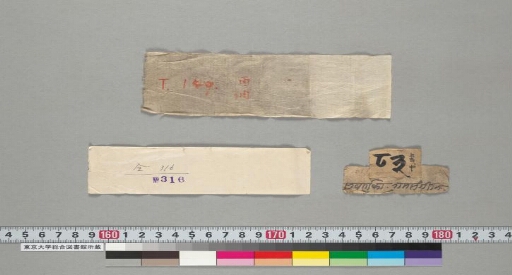
Composite text (Nāmasaṅgīti and 7 other texts)
matsunami_211 Language : Sanskrit Scripts : Kuṭila (Rañjanā)
This manuscript contains the Nāmasaṅgīti, along with seven other dhāraṇīs. Here each dhāraṇī is associated a certain deity presiding over a certain day of the week. Given this association, these dhāraṇīs are associated with the saptavāra tradition of Nepalese Buddhism. Nāmasaṅgīti (upto 13a1) + 1. Vasudhārānāmastotrottaraśataka (Sunday) 2. Mahāvajravidāraṇadhāraṇī (Monday) 3. Gaṇapatihṛdaya (Tuesday) 4. Uṣṇīṣavijaya dhāraṇī (Wednesday) 5. Parṇṇaśavarīpraśamanadhāraṇī (Thursday) 6. Marīcidhāraṇī (Friday) 7. Graha-mātṛkā dhāraṇī (Saturday) (Matsunami notebook 9, p. 56 and Gudrun Buhnemann, A Dharani for a day)
Nāmasaṅgīti
matsunami_212 Language : Sanskrit Scripts : Nepālākṣara
The Nāmasaṅgīti (NS) is an invocation of the names of Mañjuśri such as Ādibuddha, Mañjuśrijñānasattva, Vajratīkṣṇa, Arapacana, Vāgīśvara, Yamānataka, etc and according to scholarly belief, is considered to be extracted from the Māyājālā-Mahāyogatantra, hence falls within the Yogatantra class of tantras. Lokesh Chandra mentions that unlike popular scholarly belief, the NS is not a recitation of the names of Mañjuśrī, but is a recitation of the hymn of the “advaya paramārtha”, that is, the nondual ultimate truth. Understood as a deity of wisdom and knowledge, Mañjuśri has close ties with the mythical lore of the Kathmandu Valley, and hence the Nāmasaṅgīti has a popular place in the Nepalese Buddhist community as a frequently chanted scripture. Chanting this scripture is said to bring freedom from fears, good health, long life and purification of unpleasant destinies. In the modern day, Nepal celebrates the full moon day of Caitra month (caitra pūrṇīmā) as the festival of Nāmasaṅgīti Folio 11 and 12a, 19 a, 20b, 21a, 25 b, 26a lettering is not visible clearly and is washed out. Leaves are thin and of varied sizes. See folio 31 a for a declaration of the profit of the NS.
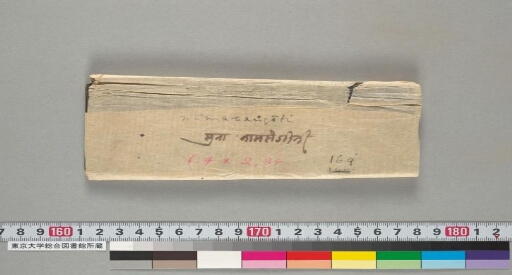
Nāmasaṅgīti
matsunami_213 Language : Sanskrit Scripts : Nepālākṣara
The Nāmasaṅgīti (NS) is an invocation of the names of Mañjuśri such as Ādibuddha, Mañjuśrijñānasattva, Vajratīkṣṇa, Arapacana, Vāgīśvara, Yamānataka, etc and according to scholarly belief, is considered to be extracted from the Māyājālā-Mahāyogatantra, hence falls within the Yogatantra class of tantras. Lokesh Chandra mentions that unlike popular scholarly belief, the NS is not a recitation of the names of Mañjuśrī, but is a recitation of the hymn of the “advaya paramārtha”, that is, the nondual ultimate truth. Understood as a deity of wisdom and knowledge, Mañjuśri has close ties with the mythical lore of the Kathmandu Valley, and hence the Nāmasaṅgīti has a popular place in the Nepalese Buddhist community as a frequently chanted scripture. Chanting this scripture is said to bring freedom from fears, good health, long life and purification of unpleasant destinies. In the modern day, Nepal celebrates the full moon day of Caitra month (caitra pūrṇīmā) as the festival of Nāmasaṅgīti Black paper with gold letters.
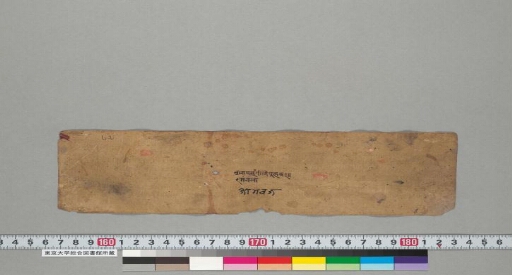
Nāmasaṅgīti
matsunami_214 Language : Sanskrit Scripts : Nepālākṣara
The Nāmasaṅgīti (NS) is an invocation of the names of Mañjuśri such as Ādibuddha, Mañjuśrijñānasattva, Vajratīkṣṇa, Arapacana, Vāgīśvara, Yamānataka, etc and according to scholarly belief, is considered to be extracted from the Māyājālā-Mahāyogatantra, hence falls within the Yogatantra class of tantras. Lokesh Chandra mentions that unlike popular scholarly belief, the NS is not a recitation of the names of Mañjuśrī, but is a recitation of the hymn of the “advaya paramārtha”, that is, the nondual ultimate truth. Understood as a deity of wisdom and knowledge, Mañjuśri has close ties with the mythical lore of the Kathmandu Valley, and hence the Nāmasaṅgīti has a popular place in the Nepalese Buddhist community as a frequently chanted scripture. Chanting this scripture is said to bring freedom from fears, good health, long life and purification of unpleasant destinies. In the modern day, Nepal celebrates the full moon day of Caitra month (caitra pūrṇīmā) as the festival of Nāmasaṅgīti last folio slightly frayed at edges.
Niṣpannayogāvalī
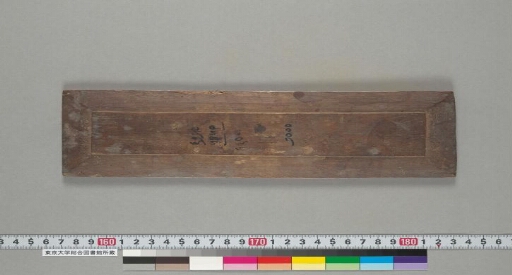
matsunami_215 Language : Sanskrit Scripts : Nepālākṣara
Buddhist tantra. by Abhayākaragupta, a prolific writer on tantra from Vikramaśila monastery. (1084-1130 A. D.) "The Niṣpannayogāvalī is a tantric work describing twenty six maṇḍalas and is replete with information regarding the individual deities (around 600) constituting the Buddhist pantheon."(Niṣpannayogāvalī, Bhattacarya, p. 18).
Niṣpannayogāvalī
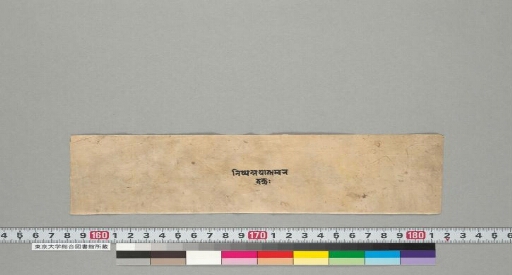
matsunami_216 Language : Sanskrit Scripts : Nepālākṣara
(See note 215) Fols. 1, 71, 74, 76, 77, 81, 92, 95, 96, 102, 109, 118, 127, 128, 129, 130, 131, 132, 133 and 134 are newly supplemented. Top left corner of folio 93 slightly torn.
Niṣpannayogāvalī
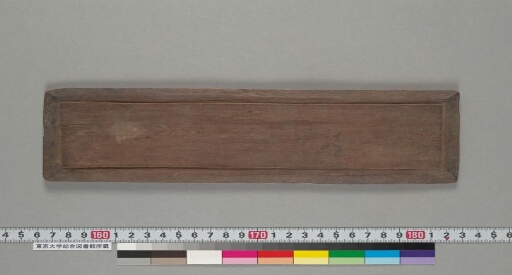
matsunami_217 Language : Sanskrit Scripts : Nepālākṣara (Kuṭila)
(See note 215) A list of mandalas is mentioned on the last page with their folio numbers. Matsunami mentions 28 mandalas in his notebook 19, p. 16.
Nṛsiṃhadivyasahasranāma stotra
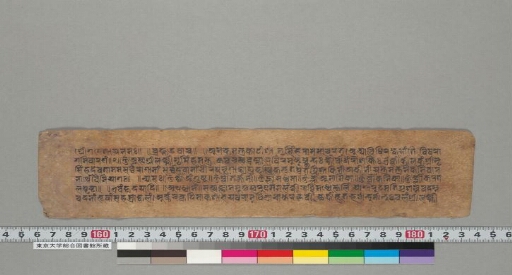
matsunami_218 Language : Sanskrit Scripts : Nepālākṣara
This is from the Nṛsiṃhapurāṇa, part of Stotraratnākara (NCC). It contains 245 verses.