

Manuscripts
Search Filter
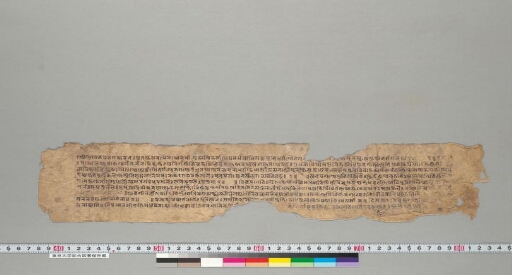
Naiṣadhīyacarita
matsunami_219 Language : Sanskrit Scripts : Nepālākṣara
Folio 1 a, 1b damaged. Folios 17 a to 23b have a torn corner. Tear on 32a and 32b. Current condition of the manuscript is fragmented, with Chp 12, 16 and a chapter. Original text is a mahākāvya in 22 cantos. On the story of Nala and Damayantī based on the Mahābhārata episode (upto the marriage). by Śrīharṣa, [Page230-a] son of Śrīhīra and Māmalladevī; patronized by the King of Kānyakubja; in the 12th century; included among the best of the five Mahākāvyas (Pañcamahākāvyas) according to tradition. (NCC) Narasiṃha's son's name is Nārayaṇa.
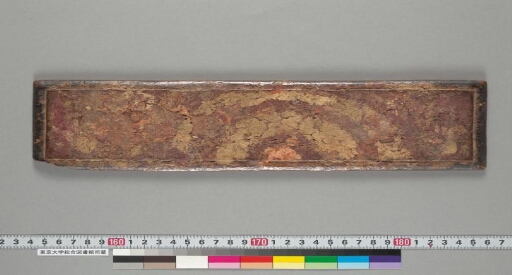
Pañcarakṣā
matsunami_220 Language : Sanskrit Scripts : Nepālākṣara
The term Pañcarakṣā denotes both the scriptures and the five female protector deities, namely Mahāsahasrapramardinī, Mahāmāyūrī, Mahāśītavatī, and Mahāmantrānusāriṇī, known to emerge from the 5 dhyani Buddhas. These texts form an important part of Newari Buddhism, and are venerated daily in several Nepalese households. They often contain intricate miniature paintings of these goddesses. Dr. James Gentry states that they are classified among Krīyā tantra class of tantras and adds, “ It is believed that all these texts, particularly their incantations, provide special protection against a wide range of illnesses and misfortunes for those who memorize, recollect, read, copy, teach, wear, or otherwise come into contact with them.” (84000). This Ms. has pictures of Pratisarā (fol. 1b), Sahasrapramardinī (fol. 45a), Mahāmayūrī (fol. 93a), Śītavatī (fol. 155b) and Mantrānusārī (fol. 160a) and the wooden covers of mss. are painted. Also see https://cudl.lib.cam.ac.uk/view/MS-ADD-01647/1
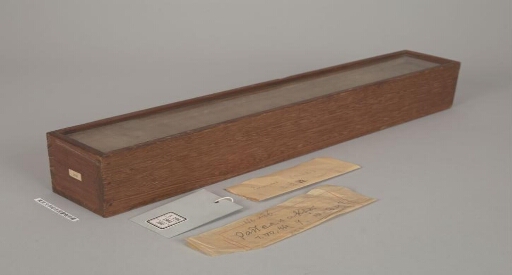
Pañcarakṣā
matsunami_221_1 Language : Sanskrit Scripts : Kuṭila
The term Pañcarakṣā denotes both the scriptures and the five female protector deities, namely Mahāsahasrapramardinī, Mahāmāyūrī, Mahāśītavatī, and Mahāmantrānusāriṇī, known to emerge from the 5 dhyani Buddhas. These texts form an important part of Newari Buddhism, and are venerated daily in several Nepalese households. They often contain intricate miniature paintings of these goddesses. Dr. James Gentry states that they are classified among Krīyā tantra class of tantras and adds, “ It is believed that all these texts, particularly their incantations, provide special protection against a wide range of illnesses and misfortunes for those who memorize, recollect, read, copy, teach, wear, or otherwise come into contact with them.” (84000).
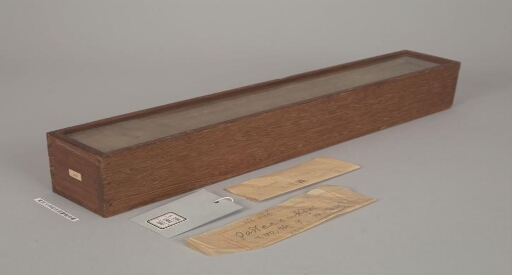
Grahamātṛkādhāraṇī
matsunami_catalogue_221_2 Language : Sanskrit Scripts : Kuṭila
A Buddhist Dhāraṇī text contains mystic mantras for the veneration of the nine planets. These mantras belong to the Tantric class. The text describes the rituals of worshiping the planets with diagrams drawn on the floor of a room, chanting the mantras seven times each day, from the seventh day to the 14th day of the waxing moon in Kartika, with the final ritual occurring at midnight on the 15th day. The mantras were revealed to a congregation of gods by Buddha himself while residing in the Alakavati mansion of Indra (Mitra, 1882, pp. 50-51). This dhāraṇī also forms a part of the saptavāra tradition, and is said to preside over Saturday. (Gudrun Bühnemann, A dhāraṇī for each day of the week).
Pañcarakṣā
matsunami_catalogue_222 Language : Sanskrit Scripts : Bhujinmol
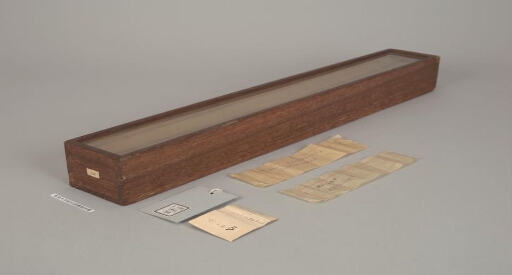
Fragment, damaged. Fols. 1-8, 12, 26, 48, 70, 71 (75-77?) are missing. Missing folio numbers supplied by paper notes. Each leaf has two numbers, of which the left old one is better. Picture: fols. 20b 50b and 73b.
Pañcarakṣā
matsunami_catalogue_223 Language : Sanskrit Scripts : Kuṭila
Many leaves are damaged and worn out. In some places lettering is washed out. Fols. 8, 10 and 75 are missing. The pagination of 48 is missed out.
Pañcarakṣā
matsunami_224 Language : Sanskrit Scripts : Nepālākṣara
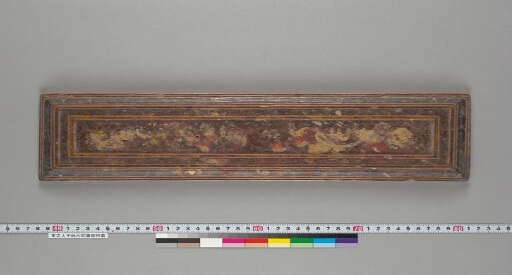
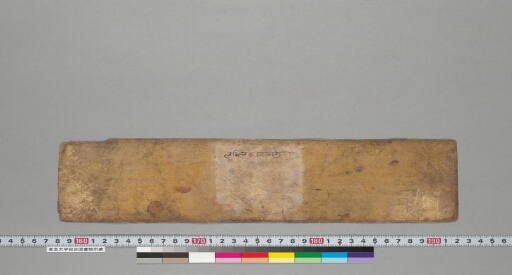
Black paper with gold sand. Picture: fols. 1b, 2a, 26b, 27a, 52b, 53a, 87b, 88a, 90a and 94b. Missing: fols. 30, 51, 60, and 92. The last leaf is damaged on the right side. Last folio is damaged but has an image of a couple praying to the three protector goddesses.
Pañcarakṣā
matsunami_226 Language : Sanskrit Scripts : Nepālākṣara
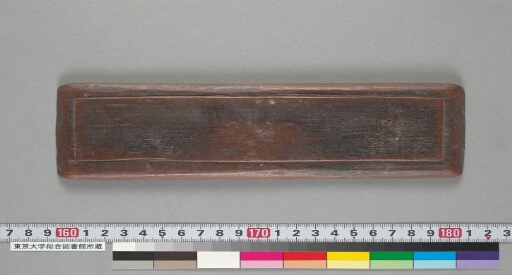
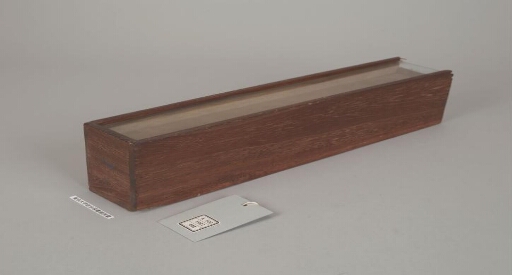
Pictures of Vairocana (fol. 1b), Pratisarā (fol. 2a), Akṣobhya (fol. 38b), Sāhasrapramardinī (fol. 39a), Amoghasiddhi (fol. 133b), Śītavatī (fol. 134a), Amitābha (fol. 137b), Mantrānusāriṇī (fol. 138a), Ratnasambhava (fol. 77b) and Mahāmayūrī (fol. 78a).
Pañcarakṣā
matsunami_227 Language : Sanskrit Scripts : Siddhānta (Kuṭila)
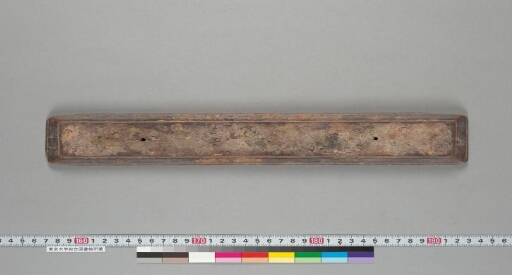
Picture: fols. 1b, 2a, 30b, 31a, 61b, 62a, 103b, 104a, 106b, 107a and 111a. There are several leaves whose letters were touched up afterwards. Damaged and repaired with paper: fols. 1-7, 9-15, 17-23, 27-34, 36, 38, 41-48, 51, 52, 56-64, 85, 86, 93 and 96-111 (although paper repair has been removed now) , Illegible lettering in some places.
Pañcarakṣā
matsunami_228 Language : Sanskrit Scripts : Nepālākṣara
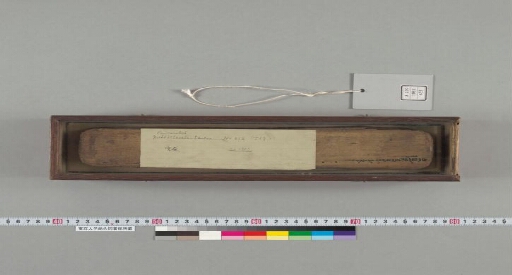
Old manuscript leaves are put together with new papers creating disorder in the pagination. Matsunami mentions "unusuable". Two leaves with fol. no. 73, 122 and 123 each. Picture: Back of wooden casket, fols. 1b, 2b, 73b, 75a and 122b.
Pañcarakṣā
matsunami_229 Language : Sanskrit Scripts : Nepālākṣara
Jumbled pagination in some places. Folia not arranged numerically.