

Manuscripts
Search Filter
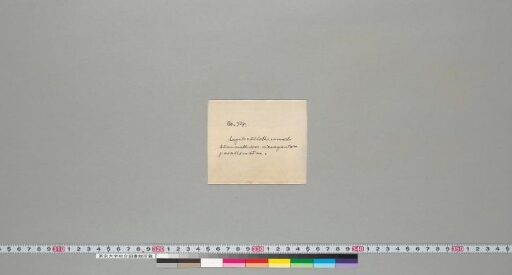
Poṣadhāvadāna
matsunami_242 Language : Sanskrit Scripts : Nepālākṣara
An account of the optional fast called Uposadha or Posadha. It is said to have been imparted by Śakhya himelf. The work is divided into three chapters. The 1st treats of the history of the fast, the 2nd, its details; and the 3rd, its obligations. (Mitra, 34) Matsunami notebook 12, p. 68.
Poṣadhāvadāna
matsunami_243 Language : Sanskrit Scripts : Nepālākṣara
Uposadhavadana, avadanakalpalata. Matsunami notebook 28, p. 46.
Poṣadhāvadāna
matsunami_244 Language : Sanskrit Scripts : Nepālākṣara
Matsunami, notebook 12, p. 67- mentions "Buddhas preach for Brahmaṇa Vāśiṣṭha." You can find in this text mantras also.
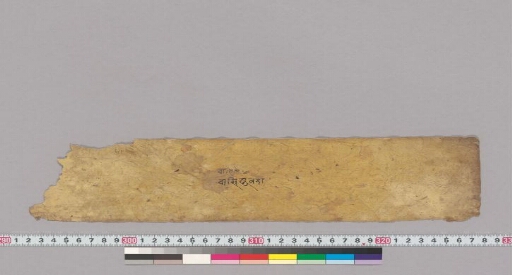
Poṣadhāvadāna
matsunami_245 Language : Sanskrit Scripts : Nepālākṣara
An account of the optional fast called Uposadha or Posadha. It is said to have been imparted by Śakhya himelf. The work is divided into three chapters. The 1st treats of the history of the fast, the 2nd, its details; and the 3rd, its obligations. (Mitra, 34) Matsunami notebook 12, p. 68.
Prajñāpāramitāratnaguṇasañcayagāthā
matsunami_246 Language : Sanskrit Scripts : Nepālākṣara
The Prajñāpāramitāratnaguṇasañcayagāthā is a summary of the Prajñāpāramitā in verse. It is written in irregular vasantatilaka meter. (Akira Yuyama)
Prajñāpāramitāratnaguṇasañcayagāthā
matsunami_247 Language : Sanskrit Scripts : Nepālākṣara
The Prajñāpāramitāratnaguṇasañcayagāthā is a summary of the Prajñāpāramitā in verse. It is written in irregular vasantatilaka meter. (Akira Yuyama)
Prajñāpāramitāratnaguṇasañcayagāthā
matsunami_248 Language : Sanskrit Scripts : Devanāgarī
The Prajñāpāramitāratnaguṇasañcayagāthā is a summary of the Prajñāpāramitā in verse. It is written in irregular vasantatilaka meter. (Akira Yuyama)
Pravrajyāgrahaṇavidhi with commentary
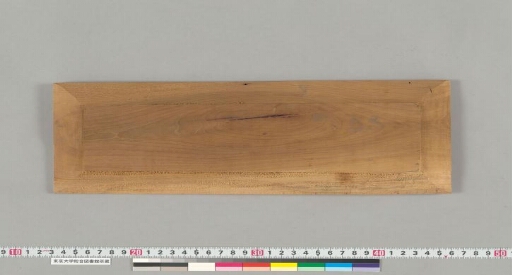
matsunami_249 Language : Sanskrit Scripts : Nepālākṣara
The term "Pravrajyāgrahaṇavidhi" refers to the procedural guidelines or rituals associated with undertaking monastic ordination in Buddhist traditions. In the context of Newar Buddhism in Nepal, this ordination has evolved into a significant rite of passage known as "bare chuyegu," which translates to "becoming a monk." This ceremony not only symbolizes religious initiation but also serves as a cultural milestone for young boys within the Newar community. Pravrajyā-grahaṇa-vidhi, and its commentary the last three papers only (Alex Rospatt on pravrajya (bare chuyegu) ritual)
Prasannapadā
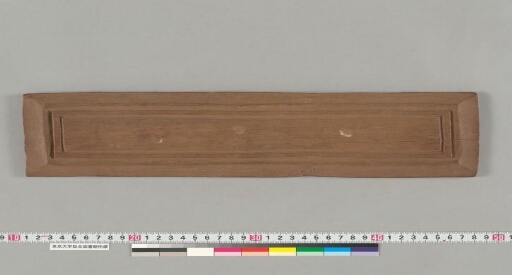
matsunami_250 Language : Sanskrit Scripts : Devanāgarī
This is the name a commentary by Candrakīrti on the Madhyamakaśāstra of Nāgārjuna. Candrakīrti is a Buddhist writer; pupil of Dharmapāla; elder contemporary of Candragomin; according to Tārānātha he was born at Samanta in South India, studied under Kamalabuddhi and later lived as a Pandit in Nalanda and wrote on Mādhyamika philosophy (NCC).Chandrakirti is included Prasaṅgika school of Mādhyamika thought. The text contains 27 divisions, each titled as a parikṣā which expounds Candrakīrti's position against an opponent supporting Buddhist foundationalism (Dan Arnold, annotated translation of Prasannapadā).
Prasannapadā
matsunami_251 Language : Sanskrit Scripts : Nepālākṣara
This is the name a commentary by Candrakīrti on the Madhyamakaśāstra of Nāgārjuna. Candrakīrti is a Buddhist writer; pupil of Dharmapāla; elder contemporary of Candragomin; according to Tārānātha he was born at Samanta in South India, studied under Kamalabuddhi and later lived as a Pandit in Nalanda and wrote on Mādhyamika philosophy (NCC).Chandrakirti is included Prasaṅgika school of Mādhyamika thought. The text contains 27 divisions, each titled as a parikṣā which expounds Candrakīrti's position against an opponent supporting Buddhist foundationalism (Dan Arnold, annotated translation of Prasannapadā).. Folio 34b3 mentions Aryacandrakīrti explicitly as the author of the text and concludes the first chapter.
Prasannapadā
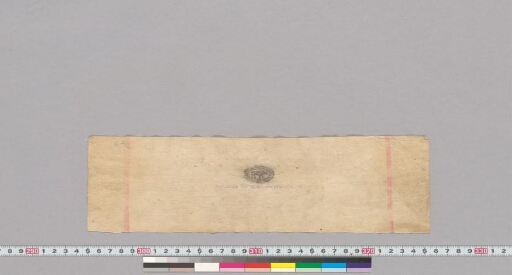
matsunami_252 Language : Sanskrit Scripts : Nepālākṣara
This is the name a commentary by Candrakīrti on the Madhyamakaśāstra of Nāgārjuna. Candrakīrti is a Buddhist writer; pupil of Dharmapāla; elder contemporary of Candragomin; according to Tārānātha he was born at Samanta in South India, studied under Kamalabuddhi and later lived as a Pandit in Nalanda and wrote on Mādhyamika philosophy (NCC).Chandrakirti is included Prasaṅgika school of Mādhyamika thought. The text contains 27 divisions, each titled as a parikṣā which expounds Candrakīrti's position against an opponent supporting Buddhist foundationalism (Dan Arnold, annotated translation of Prasannapadā).. Matsunami remarks that it seems that No. 252 and No. 250 belong to the same original book. Every leaf is stamped "Belongs to Nudima Nundu"). Last folio has some faded lettering on the right side, slightly illegible.
Prāyaścittaśaucācāravidhi with bhāṣā
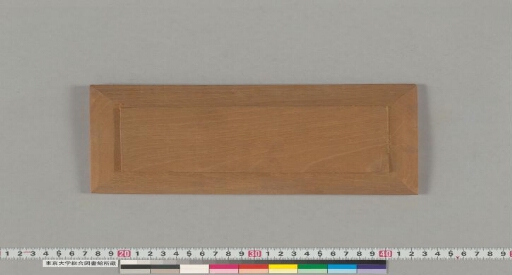
matsunami_253 Language : Sanskrit Scripts : Devanāgarī
This text belongs to the branch of pārājika literature dedicated to specific Buddhist deities, notably Mañjuśrī, Lokeśvara, Tārā, and Vajrasattva. Despite sharing terminology with the four cardinal transgressions (pārājika) that lead to the irreversible loss of monastic status, this genre focuses instead on lay practices, particularly rituals of appeasement (śānti) to avert misfortune and atonement (prāyaścitta) for offenses, including serious transgressions (pārājikā). Its designation is thus borrowed rather than literal.These texts appear to be significantly influenced by Brahmanical literature on saṁskāras, prāyaścittas, and vratas (pious practices). This text, also categorized under Vajrasattva Pārājika, is a composite work containing a commentary on atonement for sins. (Sources: Von Rospatt, "Local Literatures: Nepal," p. 824; Bapat, "Pārājika Texts from Nepal," p. 455.)