

Manuscripts
Search Filter
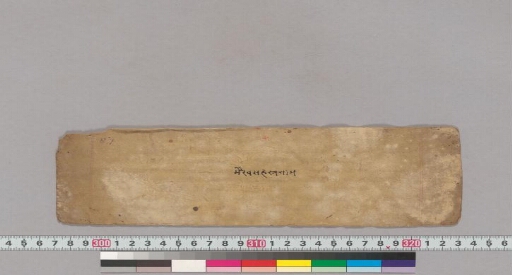
Baṭukabhairavasya sahasranāma stotra
matsunami_254 Language : Sanskrit Scripts : Nepālākṣara
Baṭukabhairavasya sahasranāmastotra is derived from the from the Umā-Maheśvara saṃvāda. The colophon indicates that this text is a hymn that invokes a thousand names of of Baṭuka Bhairava to gain his quick favour, and is a part of the Śri Rudrayāmala Tantra.
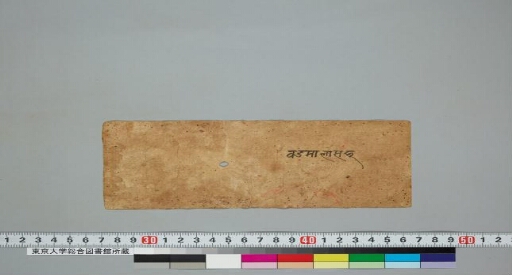
Balyarcanavidhi
matsunami_255 Language : Sanskrit Scripts : Nepālākṣara
This is a pacifying Tantric ritual text.
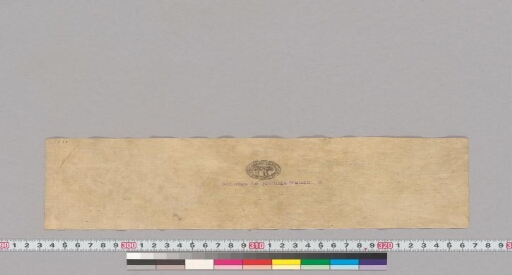
Buddhacarita
matsunami_256 Language : Sanskrit Scripts : Nepālākṣara
Written by the Buddhist poet Aśvaghoṣa, a contemporary of Emperor Kanishka, this mahākāvya (epic poem) narrates the life of the Buddha in verse. Only thirteen cantos of the Sanskrit poem claim to be Asvaghosa's composition; the last four cantos are an attempt by a modern Nepalese author Amṛtānada to supply the loss of the original.
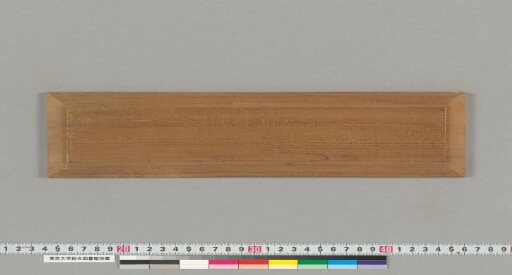
Composite- Buddhacarita, Sumāgadhāvadāna
matsunami_257 Language : Sanskrit Scripts : Devanāgarī
Item 1 – See note 256. This manuscript contains eight sargas, as indicated in the colophon on folio 40b. Item 2 – This is the story of Sumāgadhā, daughter of Anāthapiṇḍada, a wealthy banker from Śrāvastī. She was married to Vṛṣabhadatta, son of Suśīla, a prominent banker and householder from Puṇḍravardhana. The narrative outlines the past-life merit accrued by Sumāgadhā as Kañchanamālā, which leads to the Buddha blessing her with his miraculous presence in this life (Mitra, 273). This text is part of the Vratāvadānamālā and is also found in the Avadānakalpalatā as chapter 93.
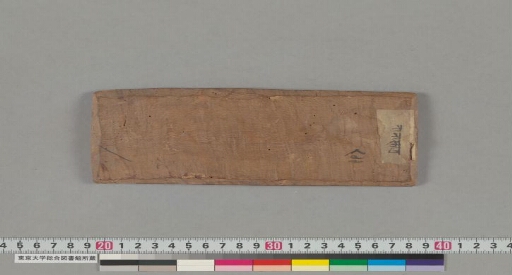
Buddhabhaṭṭārakasya Daśabalāyatanastotra and 14 other stotras
matsunami_258 Language : Sanskrit Scripts : Nepālākṣara (Kuṭila)
1. Buddhabhaṭṭarakasya daśabalāyatana stotra 2. Dharmadhātu-vāgīśvara-gīta-stotra 3. Buddhagīta stotra 4. Narakoddhara stotra 5. Vāgīśvara-vandana-stotra 6. Buddhagīta-stotra 7. Sāradā(s)tava stotra 8. Vajrayoginī-stotra 9. Ekajātibhaṭṭarikasya nāmastotra 10. Lokeśvara vandana stotra 11. Pañcatathāgatagīta stotra 12. āryāvalokiteśvara ananta nāgarājā stava stotram 13. Svayambhūdharamdhātu-caitya-vandanā-stotram 14. Lokeśvara Stotra (See Matsunami notebook 20, p.50)
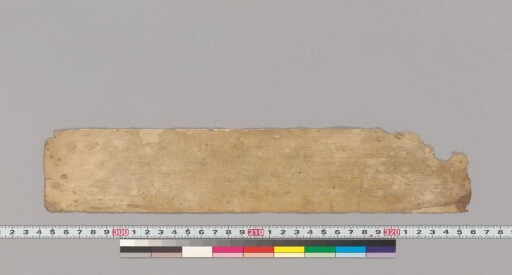
Bṛhajjātakavṛtti
matsunami_259 Language : Sanskrit Scripts : Nepālākṣara
Bṛhajjātakavṛtti is a commentary on Varāhamihira’s Bṛhajjātaka, a foundational text on horoscope astrology. This commentary provides extensive elucidation of Varāhamihira’s astrological principles, clarifying complex calculations and interpretations. It remains an essential resource for understanding classical Indian astrology. The text is traditionally attributed to the Kashmiri astrologer and astronomer Bhaṭṭotpala, who is also credited with the Jagaccandrikā, another work on astrology.
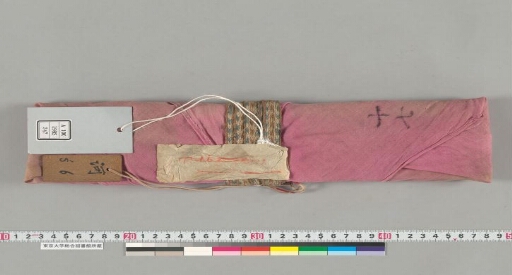
Bodhicaryāvatāra
matsunami_260 Language : Sanskrit Scripts : Nepālākṣara
The Bodhicaryāvatāra, composed by the eighth-century Nalanda monk Śāntideva, is a key Mahāyāna Buddhist text outlining the Bodhisattva path. Written in verse, it is structured around the six perfections (pāramitās) and divided into ten chapters, covering topics such as ethical discipline, meditation, and wisdom. The ninth chapter expounds the Mādhyamaka doctrine of emptiness (śūnyatā), a core Mahāyāna philosophical concept. Śāntideva claims no originality, stating that his verses follow Mahāyāna sūtras (Wallace & Wallace, p. 15).
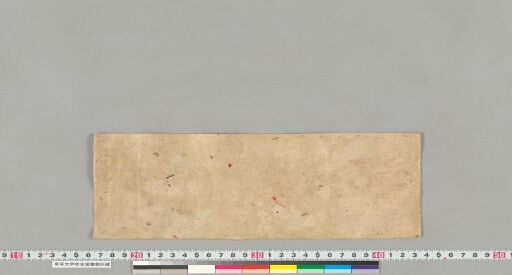
Bodhicaryāvatāra
matsunami_261 Language : Sanskrit Scripts : Devanāgarī
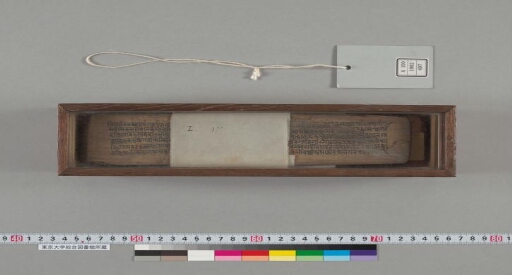
The Bodhicaryāvatāra, composed by the eighth-century Nalanda monk Śāntideva, is a key Mahāyāna Buddhist text outlining the Bodhisattva path. Written in verse, it is structured around the six perfections (pāramitās) and divided into ten chapters, covering topics such as ethical discipline, meditation, and wisdom. The ninth chapter expounds the Mādhyamaka doctrine of emptiness (śūnyatā), a core Mahāyāna philosophical concept. Śāntideva claims no originality, stating that his verses follow Mahāyāna sūtras (Wallace & Wallace, p. 15).
Bodhicaryāvatāra
matsunami_262 Language : Sanskrit Scripts : Nepālākṣara+ Bhujinmol
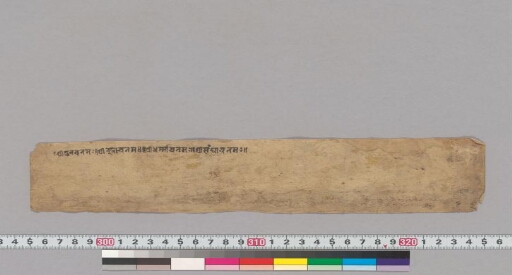
The Bodhicaryāvatāra, composed by the eighth-century Nalanda monk Śāntideva, is a key Mahāyāna Buddhist text outlining the Bodhisattva path. Written in verse, it is structured around the six perfections (pāramitās) and divided into ten chapters, covering topics such as ethical discipline, meditation, and wisdom. The ninth chapter expounds the Mādhyamaka doctrine of emptiness (śūnyatā), a core Mahāyāna philosophical concept. Śāntideva claims no originality, stating that his verses follow Mahāyāna sūtras (Wallace & Wallace, p. 15). This manuscript contains two fragments of the Bodhicaryāvatāra. Matsunami outlines the contents with their corresponding folio numbers in his notebook 24, pp. 50–67. The manuscript is fragmented and damaged, with many missing pages and some sections rendered illegible due to deteriorated writing.
Bodhicaryāvatāra
matsunami_263 Language : Sanskrit Scripts : Nepālākṣara
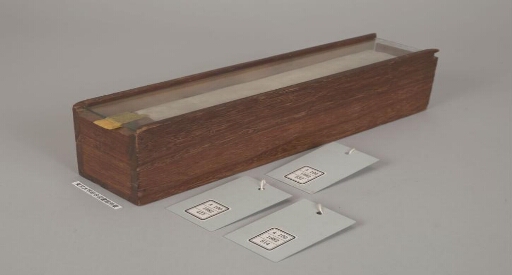
The Bodhicaryāvatāra, composed by the eighth-century Nalanda monk Śāntideva, is a key Mahāyāna Buddhist text outlining the Bodhisattva path. Written in verse, it is structured around the six perfections (pāramitās) and divided into ten chapters, covering topics such as ethical discipline, meditation, and wisdom. The ninth chapter expounds the Mādhyamaka doctrine of emptiness (śūnyatā), a core Mahāyāna philosophical concept. Śāntideva claims no originality, stating that his verses follow Mahāyāna sūtras (Wallace & Wallace, p. 15). This manuscript contains two fragments of the Bodhicaryāvatāra. Matsunami outlines the contents with their corresponding folio numbers in his notebook 24, pp. 50–67. The manuscript is fragmented and damaged, with many missing pages and some sections rendered illegible due to deteriorated writing. This mss. ends with the fourth chapter. Matsunami mentions there is a leaf more, which seems to belong to the end of another text of "Dharma-dhātu-vāg-īśvara-purāṇa(?)."]
Bodhicaryāvatāra
matsunami_264 Language : Sanskrit Scripts : Nāgarī, with second to last folio switching to Bhujinmol and then back to Nāgarī
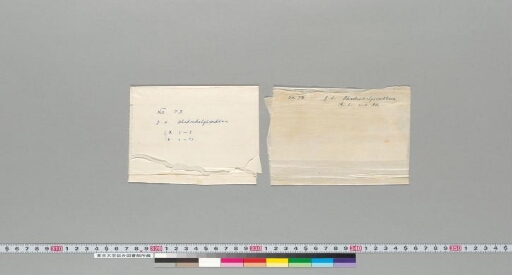
The Bodhicaryāvatāra, composed by the eighth-century Nalanda monk Śāntideva, is a key Mahāyāna Buddhist text outlining the Bodhisattva path. Written in verse, it is structured around the six perfections (pāramitās) and divided into ten chapters, covering topics such as ethical discipline, meditation, and wisdom. The ninth chapter expounds the Mādhyamaka doctrine of emptiness (śūnyatā), a core Mahāyāna philosophical concept. Śāntideva claims no originality, stating that his verses follow Mahāyāna sūtras (Wallace & Wallace, p. 15). This manuscript contains two fragments of the Bodhicaryāvatāra. Matsunami outlines the contents with their corresponding folio numbers in his notebook 24, pp. 50–67. The manuscript is fragmented and damaged, with many missing pages and some sections rendered illegible due to deteriorated writing. This is a damaged manuscript with folia 1,3, 5-8, 33, 40-43, 56, 62-66 missing.
Bhadrakalpāvadāna
matsunami_265 Language : Sanskrit Scripts : Nepālākṣara
The fragment contains Chapter 1 (fols. 1–9) and the end of Chapter 29, along with Chapters 30 and 31 (fols. 1–53). There are several blank lines on fols. 7 and 8 (Matsunami). The pagination is inconsistent and difficult to follow, as the page numbers on the bottom right corner of the folia sometimes do not match those on the right-hand side of the verso folia.