Manuscripts
Search Filter
Pañcarakṣā
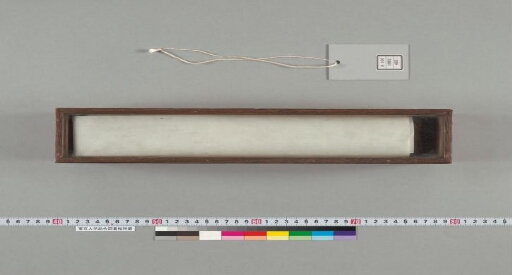
matsunami_230 Language : Sanskrit Scripts : Bhujinmol
Many leaves are damaged on the right sides. There are some papers which are substitutes for some missing palm leaves. 3 leaves of fol. no. 124. Picture: fols. 2a, 36b, 76b, 124-II-a and 130b. Some leaves are missing text altogether.
Pañcarakṣā
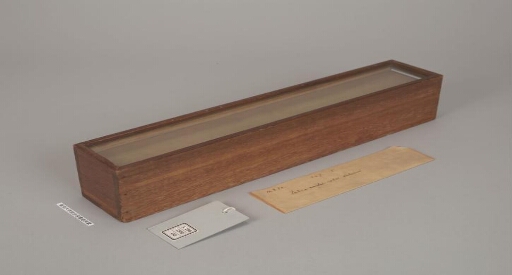
matsunami_231 Language : Sanskrit Scripts : Kuṭila
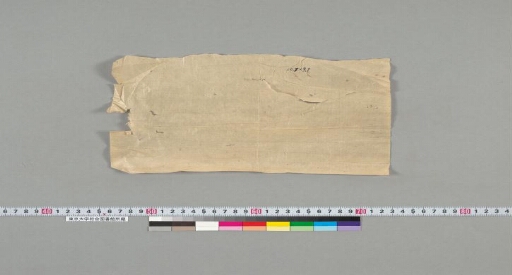
Both edges of every leaf are slightly damaged Picture: 3 on fols. 1b and 2a, 1 on each of fols. 30b, 31a, 71b, 72a, 73b, 74a, 99b, 100a, 104b and 105a.
Pañcarakṣā
matsunami_232 Language : Sanskrit Scripts : Nepālākṣara
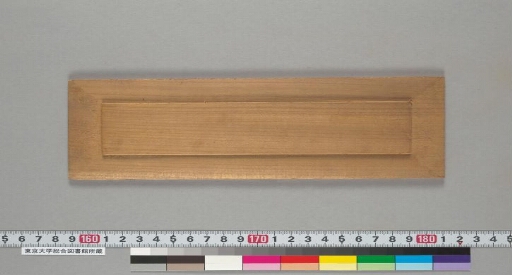
Text starts from folio 8 but seems the mss seems to be part of a bigger one text which it is extracted from.
Pañcarakṣā
matsunami_233 Language : Sanskrit Scripts : Nepālākṣara
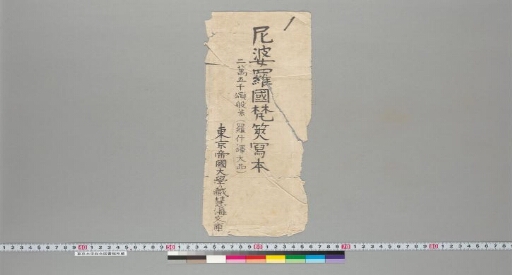
Folio 25b has washed out lettering.
Pañcaviṃśatisāhasrikā Prajñāpāramitā
matsunami_234 Language : Sanskrit Scripts : Nepālākṣara
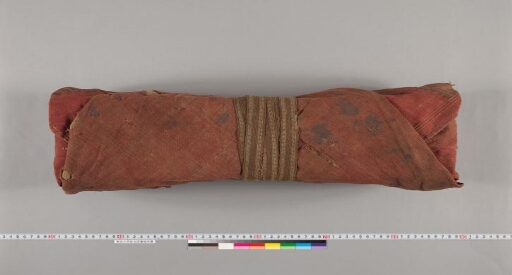
Item 1- The Abhisamayālaṅkāra is a text attributed to the future buddha Maitreya or Maitreynātha, which elaborates on the "Perfection of Understanding" or the Prajña-pāramitā. Hence sometimes the Abhisamayālaṅkāra is thought to be a pseudo commentary on the Prajñapāramitā literature. This item is bound in cloth. Folio 1b has illegible lettering in some places. Picture- 1 on each of fol. 1b, 2a, 7a7- end of Abhisamayālaṅkāra with abhisamayâlaṅkāra nāma prajnā-pāramitôpadeśa-śāstraṃ samāptam || Item 2- “The Perfection of Wisdom in Twenty-Five Thousand Lines is among the most important scriptures underlying both the “vast” and the “profound” approaches to Buddhist thought and practice. Known as the “middle-length” version, being the second longest of the three long Perfection of Wisdom sūtras, it fills three volumes of the Kangyur. Like the two other long sūtras, it records the major teaching on the perfection of wisdom given by the Buddha Śākyamuni on Vulture Peak, detailing all aspects of the path to enlightenment while at the same time emphasizing how bodhisattvas must put them into practice without taking them—or any aspects of enlightenment itself—as having even the slightest true existence.” as mentioned on 84000. This second item is in a wooden casket, and the back of the wooden casket is painted. Fol 9b5- begins the PP sūtra with “evam mayā srutam…Picture on fol. 475 and fol. 476.
Pañcaviṃśatisāhasrikā Prajñāpāramitā
matsunami_235 Language : Scripts : Nepālākṣara
(8b4) || 'abhisamayâlaṅkāra nāma prajnā-pāramitôpadeśa-śāstraṃ samāptam' (9a3) evam ..... [Beginning of the sūtra.] fol 118a, 118b, 119a slightly blackened by ink spill. Fragment inserted after 501b? Pictures- 3 on 1a, 2a. 1 on 3a, 3b. 1 on 176a, 1 of 6 buddhas on 179a. 1 on 444b, 451a, 473a, 563a.
Padmapurāṇa
matsunami_236 Language : Sanskrit Scripts : Letter form is a peculiar one (Bengali)
"The Padma Purāṇa one of the largest of the eighteen major puranas. It contains detailled information regarding ancient Indian society, traditions, geography, as well as religious pilgrimages (yatra) to sacred places (tirthas), instructions on ancestor worship (shraddha) and the traditional Puranic view on the creation of the universe (cosmogony)." Magha Mahatmya is glorification of the holy month of Magha. This story is contained in the Padma Purana in the form of dialogue between Vashistha and Dilipa.
Pāpaparimocana
matsunami_237 Language : Sanskrit Scripts : Devanāgarī
Buddhist ceremonies. spoken by Mañjuśrī. from Sarvatathāgatadvādaśasahasra-pārājikāvinayasūtra (NCC) "The Pāpaparimocananirdeśa treats rituals of purification and atonement, with an emphasis on the customs negotiating death pollution." (Alex von Rospatt, Local Literatures: Nepal, p. 824)
Pāpaparimocana
matsunami_238 Language : Sanskrit Scripts : Nepālākṣara
Buddhist ceremonies. spoken by Mañjuśrī. from Sarvatathāgatadvādaśasahasra-pārājikāvinayasūtra (NCC) "The Pāpaparimocananirdeśa treats rituals of purification and atonement, with an emphasis on the customs negotiating death pollution." (Alex von Rospatt, Local Literatures: Nepal, p. 824) . This mss contains a vernacular Newari commentary. Matsunami notebook 30, 26.
Pāpaparimocana
matsunami_239 Language : Sanskrit Scripts : Nepālākṣara
Buddhist ceremonies. spoken by Mañjuśrī. from Sarvatathāgatadvādaśasahasra-pārājikāvinayasūtra (NCC) "The Pāpaparimocananirdeśa treats rituals of purification and atonement, with an emphasis on the customs negotiating death pollution." (Alex von Rospatt, Local Literatures: Nepal, p. 824) . This mss contains a vernacular Newari commentary. Matsunami notebook 30, 24.
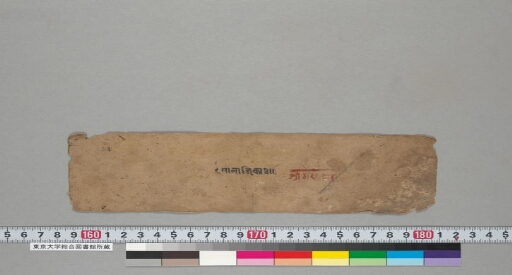
Pāpaparimocana
matsunami_240 Language : Sanskrit Scripts : Nepālākṣara
Buddhist ceremonies. spoken by Mañjuśrī. from Sarvatathāgatadvādaśasahasra-pārājikāvinayasūtra (NCC) "The Pāpaparimocananirdeśa treats rituals of purification and atonement, with an emphasis on the customs negotiating death pollution." (Alex von Rospatt, Local Literatures: Nepal, p. 824) .Also see Matsunami notebook 30, 22.
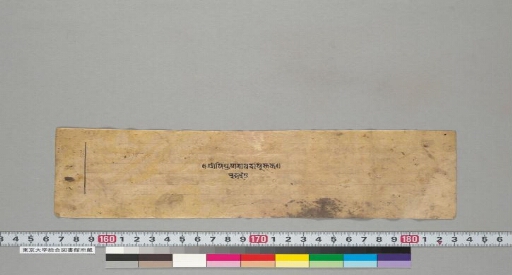
Piṇḍapātrāvadāna
matsunami_241 Language : Sanskrit Scripts : Nepālākṣara
An avadāna text praises the giving of alms-bowls to Buddhist mendicants. The story tells of Sarvānanda, the king of the great city of Dīpavatī, who once visited the renowned Vihāra of Prasannaśīla. During this visit, he brought the Buddha Dīpaṅkara to his city and presented him with an alms-bowl filled with rice. In response, the Buddha expounded on the merits and spiritual significance of giving alms (Mitra, 1882, p. 195). It shares thematic and narrative elements with the Kapiśāvadāna, another avadāna focusing on the significance of generosity in the Buddhist tradition. The mss is said to be written at the Śrī Ghaḥ Caitya, also known as the Kathesimbhu stupa. It's a Buddhist pilgrimage site and a miniature replica of the Swayambhunath Temple. Located in the heart of Kathmandu city, between Thamel and Kathmandu Durbar Square. Other names of the caitya: Śrī Shantighata Vajradhatu Caitya, Kashi Caitya, Kashyapa Caitya, Kathesimbhu stupa, and Sigha Chaitya.