

Manuscripts
Search Filter
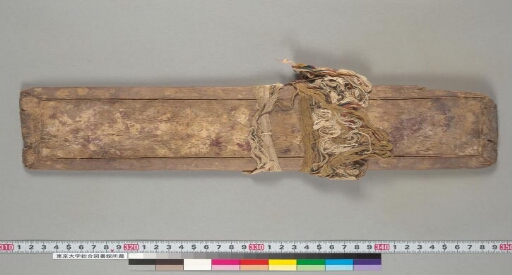
Composit Manuscript (Dvāviṃśatyavadānakathā; Yajñādi-kṛtapuṇyakathā; Fragment of a Vidhi text)
matsunami_183 Language : Sanskrit Scripts : Nepālākṣara
This is a composite manuscript containing three different texts. The first work is Dvāviṃśatyavadānakathā, a compilation of Buddhist birth stories of relatively late origin—much of which, particularly the prose sections, was borrowed from the Avadānaśataka (Turner & Turner, Collected Papers 1912–1973, 1975, p. 11). This manuscript contains 22 chapters. The manuscript includes the following chapters: Ṣaḍgatisaṃsārakathā (f.3b); Daśākuśalakathā (f.4b); Puṇyaprotsāhanakathā (f.5b); Dharmaśravaṇaprotsāhanakathā (f.6a); Manuṣyakathādullabha durlabhakathā (f.6b); Dānakathā (f.8a);Puṇyakāma (f.12b); Kuṃkumādidānakathāparivartta (f.39a); Chatradānakathā (f.43b); Dhātvāvaropanakathā (f.51b); Maṇḍalakathā (f.57b); Bhojanakathā (f.61b); Vastrakathā (f.70b); Puṣpakathā (f.75b); Praṇāmakathā (f.82b); Ṣoḍaśapariccheda (chapter title missing) (f.83b); Ujvālikādānakathā (f.88b); Vihāradānakathā (f.98b); Suvarṇābhāvadāna (f.102b); Vapuṣmānavadāna (f.105b); Candanāvadāna (f.109a); Dānakathā (f.119b). Fols. 22–26, 28–33, 66, 68, 94, 95, and 120 are missing (Matsunami, 1965, p. 75). This text is similar to Sl. Nos. 180, 181, and 182; however, the chapter titles and their arrangement differ. In the colophon, the scribe mentions his family lineage: his grandfather was Vajrācāryya Bhāju Siṃha, who resided in Tarumūla Mahāvihāra in Kathmandu, and his father was “Thākula Siṃha” (Ṭhākura Siṃha). The second work is Yajñādikṛtapuṇyakathā, written in a different handwriting and with separate pagination. This text explains yajña and dāna, along with their benefits. The third work is an incomplete text dealing with vidhi. It is written in the same handwriting as the second text, and the pagination continues from the second work.
Dhanañjayanighaṇṭu
matsunami_184 Language : Sanskrit Scripts : Bhujinmol
A Kośa text dealing with a vocabulary of synonyms was composed by the Jain author Dhanañjaya, son of Vāsudeva and Śrīdevī, and a pupil of Daśaratha. This manuscript contains the first chapter with 203 verses, but there are other manuscripts that contain two chapters. The second chapter describes homonyms. Sometimes, the first chapter is titled Nāmamālā and the second chapter Nighaṇṭu. However, one of the concluding verses of this manuscript mentions the name Nāmamālā, while the colophon refers to the text as Dhanañjayanighaṇṭu. At the end of the text, Dhanañjaya references Akalaṅka's Pramāṇaśāstra, Pūjyapāda's Śāsanaśāstra, and his own Dvisandhānakāvya, which is famously known as Rāghavapāṇḍavīya (NCC, Vol. 10, p. 45). Most of the folia are illegible, especially the colophon section of the manuscript, which makes the name of the scribe unreadable. 'Fol. 28 is missing. Many places are stained.' (Matsunami, 1965, p. 75).
Dhanañjayanighaṇṭu
matsunami_185 Language : Sanskrit Scripts : Nepālākṣara
A Kośa text dealing with a vocabulary of synonyms was composed by the Jain author Dhanañjaya, son of Vāsudeva and Śrīdevī, and a pupil of Daśaratha. This manuscript contains the first chapter with 203 verses, but there are other manuscripts that contain two chapters. The second chapter describes homonyms. Sometimes, the first chapter is titled Nāmamālā and the second chapter Nighaṇṭu. However, one of the concluding verses of this manuscript mentions the name Nāmamālā, while the colophon refers to the text as Dhanañjayanighaṇṭu. At the end of the text, Dhanañjaya references Akalaṅka's Pramāṇaśāstra, Pūjyapāda's Śāsanaśāstra, and his own Dvisandhānakāvya, which is famously known as Rāghavapāṇḍavīya (NCC, Vol. 10, p. 45). 'Fol. 1 is missing' (Matsunami, 1965, p. 75). Post colophon of the manuscript mentioned the period of king Narendra Malla of Nepal.
Dharmakośasaṃgraha
matsunami_186 Language : Sanskrit Scripts : Devanāgarī
This is a compendium of Buddhistic technical terms that explains their definitions. (Matsunami, 1965, p. 76)
Dharmaruci-Avadāna
matsunami_187 Language : Sanskrit Scripts : Nepālākṣara
This text is the 18th chapter of the Divyāvadāna, titled Dharmaruci-Avadāna. The text narrates the story of Bhikṣu Dharmaruci and his previous lives. This is one of the well-known Avadāna stories, also known as the Timiṅgila-avadāna, and the story has been depicted in sculptures at various ancient Buddhist sites.
Dhātupāṭha
matsunami_188 Language : Sanskrit Scripts : Nepālākṣara
A Sanskrit grammar text deals with the dhātupāṭha (root verbs) section. Although the title of the text is missing and it is incomplete, it appears to be the Kāśakṛtsnaśabdakalpa—a detailed dhātupāṭha following the Kātantra school and attributed to Kāśakṛtsna. However, the manuscript documents only the sūtras. The manuscript covers the following chapters: bhvādigaṇa-parasmaipada (f.8a);lugvikaraṇe-adādi (f.17a); yan-vikaraṇe divādigaṇa (f.19b); nu-vikaraṇa svādigaṇa (f.20a); ag-vikaraṇa studādigaṇa (f.22a).
Composite Manuscript (Dhāraṇī collection)
matsunami_189 Language : Sanskrit Scripts : Nepālākṣara
This is a collection of dhāraṇī texts. It includes the following: Āryaśrīprajñāpāramitāhṛdaya-dhāraṇī (f.4a) Āryāvalokiteśvara-nāma (f.5b) Amoghapāsa-hṛdaya (f.5b) Śrīvajrasatvakāyasya-tathāgatavyāptasataṃ (f.8a) Vajrayoginīnairātmāguhyeśvaīmantranāma-dhāraṇī (f.11a) Prajñāpāramitā-nāma-dhāraṇī (f.11b) Gaṇḍavyūha-nāma-dhāraṇī (f.11b), from the Gandhavyūha Śrībodhisatvacaryāprasthāne-daśabhūmīśvara-nāma-mahāyānasūtra-ratnarāja (f.19a) Samādhirāja-nāma-dhāraṇī (f.19a–19b) Āryalaṅkāvatāra-nāma-dhāraṇī (f.21b–22a) Āryasaddharmapuṇḍarīkāyā-mantra-dhāraṇī (f.23a) Tathāgataguhyaka-dhāraṇī (f.25b) Lalitavistara: Trapusabhallikā-parivarta (f.26a–31a), which is the 24th chapter of the Lalitavistara, according to the Mithila Institute edition by P. L. Vaidya Bodhisattva-nāma-dhāraṇī (f.32a) Śrīsvayaṃbhu-caityabhaṭṭārakoddeśa texts: Taduddeśa-nāma-prathama-pariccheda (f.35a) Pūjāphalavarṇana-nāma-dvitīya-pariccheda (f.37b) Kṣandrohotpādana-nāma-tṛtīya-pariccheda (f.39b) Grāmādisamudbhava-nāma-caturtha-pariccheda (f.42a) Tīrthopatīrtha-nirutpannaguṇavarṇana-nāma-pañcama-pariccheda (f.45b–46a) Dharmadhātu-vāgīśvarapravartana-nāma-ṣaṣṭha-pariccheda (f.51a) Dharmadhātu-vāgīśvaragupta-nāma-saptama-pariccheda (f.53a) Mahāprabhāva-varṇana-nāma-aṣṭama-pariccheda (f.67a) Vasuṃdharādevīvrata-Aśvaghoṣa-avadāna (f.57b–80b) The manuscript is written very poorly.
Composite Manuscript (Dhāraṇī collection)
matsunami_190 Language : Sanskrit Scripts : Nepālākṣara
This is a collection of Dhāraṇī texts. It includes the following: Āryyaratnasaṃbhavanāma-dhāraṇī (f.2a); Āryya-amitābhanāma-dhāraṇī(f.2a); Āryya-amoghasiddhināma- dhāraṇī (f.2a); Guruyādhāraṇī (f.4b); Kāmadevamaṇḍamantra (f.5a); Pañcabuddhabodhisatvamantra (f.5a); Aṣṭabodhisatvanāma (f.5b); Dharmanātha-akṣobhyadhāraṇī (f.6a); Saptalocaṇītārānāmadhāraṇī (f.8b); Pañcaviṃśatimahāvairocanadhāraṇī (f.9a); Yakādaśa (ekādaśa) murttilokeśvaranāmadhāraṇī (f.9b); Cakrasaṃvarayā-hṛ-ākāsa (ākāśa) sukhadhāraṇī (f.9b); Bhagavan-mahāmāyānāmadhāraṇīhṛdaya (f.10b); Kaṃkirū-nāmadhāraṇī (f.13b). In the context of the title of the text, Matsunami notes: "On fol. 1a, it is written Kaṃkaruṇī-tantra, but at the end of the Ms. Kaṃkirū nāma dhāraṇī." (Matsunami, 1965, p. 77).
Composite Manuscript (Dhāraṇī collection)
matsunami_191 Language : Sanskrit Scripts : Nepālākṣara
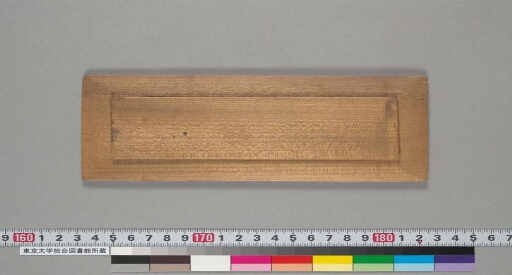
This is a collection of seven dhāraṇī texts: Vasudharā-aṣṭottara-śataka (f.1b–3b): This text contains verses of salutation to the goddess Vasudharā. Vajravidāraṇa-dhāraṇī (f.3b–6b): This text contains spells praising the god Vajra. Gaṇapati-hṛdaya-mūla-dhāraṇī (f.6b–8b): This text begins with a story in which Lord Buddha resides in Rājagṛha and gives lessons to his closest disciple, Ānanda (Dhāraṇī Sūtras, Gergely Hidas). Uṣṇiṣa-vijayānāma-dhāraṇī (f.8b–11b): This text contains mystical mantras bearing the name of Uṣṇiṣavijayā. These mantras were passed from Buddha Amitāyus to Avalokiteśvara. It is believed that these mantras are effective in curing diseases and promoting long life (Mitra, 1985, p. 267). Parṇṇaśavarī-dhāraṇī (f.11b–13a): Parṇṇaśavarī is a demi-goddess or demoness who wears leaves. This text contains many mystical terms and is believed to offer protection from evil and accidents. (Mitra, 1882, p. 176). Māricī-devatā-dhāraṇī (f.13a–14b): The name Māricī means "darkness-destroyer." It is believed that merely hearing her name grants one her qualities. Lord Buddha revealed this teaching to his disciples while residing in Jetavana in Śrāvastī. This text contains charms for self-preservation. (Mitra, 1985, p. 174). (Nava)graha-mātṛkā-dhāraṇī (f.15a–25b): This text includes śānti-svastyayana, graha-pūjā mantras, and other rituals
Composite Manuscript (Dhāraṇī collection)
matsunami_192 Language : Sanskrit Scripts : Nepālākṣara
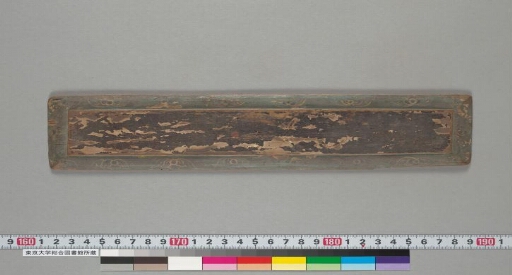
This is a collection of seven Dhāraṇī texts, this manuscript contains spells for praising various Buddhist deities. It includes: Vasudhārāyā-nāmāṣṭottara-śataka (f.1b–4b); Vajravidāraṇonāmadhāraṇī-hṛdayopadayamūlamantra (f.4b–7b); Āryyagaṇapati-hṛdayanāma-dhāraṇī-mūlamantra-sūtra (f.8a–10b); Uṣṇīṣa-vijaya Dhāraṇī (f.11a–15a); Parṇṇaśavarī Mahāmārī-praśamaṇī Dhāraṇī (f.15a–17a); Māricīnāma-dhāraṇī (f.17b–20a); Graha-mātṛkā Dhāraṇī (f.20a–36a). The manuscript includes illustrations of the seven deities to whom each dhāraṇī is dedicated. Folio 1b features an illustration of Vasudhārā; 4b depicts Vajravidāriṇī; 8a contains an illustration of Gaṇapati; 11a depicts Uṣṇīṣavijayā; 15a depicts Parṇṇaśavarī; 17b contains an illustration of Māricī; and 20a features Grahamātṛkā. The scribe of the manuscript belonged to Tarumūla Mahāvihāra in Kathmandu.
Composite Manuscript (Dhāraṇī collection)
matsunami_193 Language : Sanskrit Scripts : Nepālākṣara
A collection of nine Dhāraṇī texts. It includes: Āryyamahāpratisarāyā Prathama-mantradhāraṇī (f. 6b); Āryyamahāsāhasrapramarddanī-sūtra (f. 8b); Āryyamahāmāyūrī-vidyārājñī-sūtra (f. 12a); Āryyamahāśītavatīvidyārājñī (f. 13b); Āryyamahāmantrānusāriṇī (f. 15b–16a); Āryyasarvatathāgatoṣṇīṣasitātapatrā-nāmāparājitā-pratyaṃgirānāma-mahāvidyārājñī (f. 31a); Śrī-Āryyabhaṭṭārikāyāḥ-nāmāṣṭottaraśataka (f. 35b); Abhayaṃkarīnāma-dhāraṇī (f. 36b); Āryyadhvajāgra-keyurā-nāma-dhāraṇī (f. 38b). The manuscript is bound between two illustrated wooden covers: the upper cover depicts the Pañca Dhyānī Buddhas, and the lower cover features five Bodhisattvas.
Composite Manuscript (Dhāraṇī collection)
matsunami_194 Language : Sanskrit Scripts : Nepālākṣara
A collection of nine Dhāraṇī texts, this manuscript contains spells for praising various Buddhist deities. It includes: Samvarasya-hṛdayamantra-dhāraṇī (f. 1b–5a); Hevajranāma-dhāraṇī (f. 5b–7a); Kālacakra-hṛdayanāma-dhāraṇī (f. 7b–13a); Mahāsamvara-hṛdaya (f. 13a–16a); Vajravārāhī-hṛdayamantra-dhāraṇī (f. 16a–18a); Vajranairātmādevī-hṛdayamantra-dhāraṇī (f. 18b–23a); Sarvabuddhaḍākinī-hṛdayamantra-dhāraṇī (f. 23a–28b); Ugratārāhṛdayanāma-dhāraṇī (f. 29a–34a); Dharmadhātuvāgīśvara-saṃkṣipta (f. 34b–37b)