
Manuscripts
Search Filter
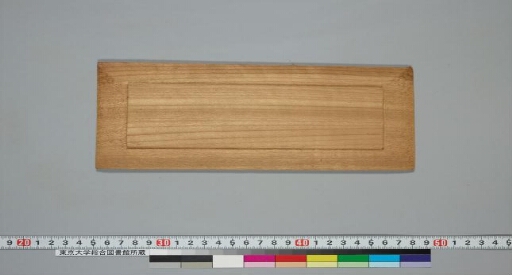
Amarakośa
matsunami_16 Language : Sanskrit Scripts : Devanāgarī
A work of lexicography by Amarasiṁha (active 500 c.), also known as Nāmaliṅgānuśāsana. It contains synonyms for different categories of words. It is divided into three kāṇḍas, svargādikāṇḍa, bhuvargādikāṇḍa and sāmānyādikāṇḍa.
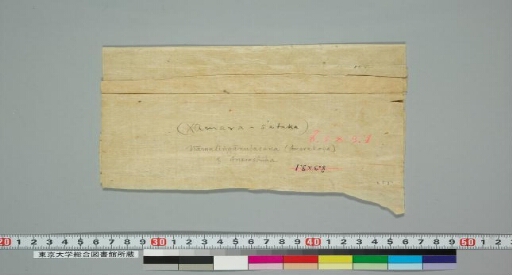
Amarakośa
matsunami_17 Language : Sanskrit Scripts : Nepālākṣara
A work of lexicography by Amarasiṁha (active 500 c.), also known as Nāmaliṅgānuśāsana. It contains synonyms for different categories of words. It is divided into three kāṇḍas, svargādikāṇḍa, bhuvargādikāṇḍa and sāmānyādikāṇḍa. This is an incomplete manuscript that contains up to the Kṣatriyavarga and the incomplete Vaiśyavarga of the Bhuvargādikāṇḍa.
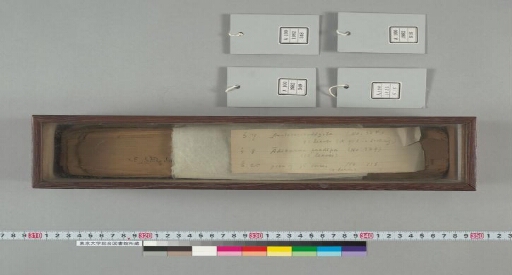
Amṛtakaṇikoddyota
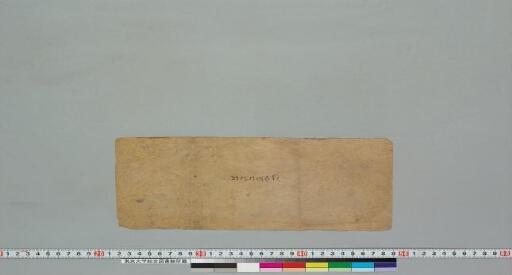
matsunami_18 Language : Sanskrit Scripts : Nepālākṣara and Mithilākṣara mixed
The text is a work on Buddhist Kālacakratantra, on the cover of the Introductory folio it contains a line or passage and end of the folio as a marginal note written in Tibbetian script. This is a sub-commentry on Mañjuśrīnāmasaṃgīti and commentry on the name of a commentary on Amṛtakaṇikā (A commentory by Raviśrījñāna), It contains Buddhist Kālacakratantra.
Amṛtalaharī
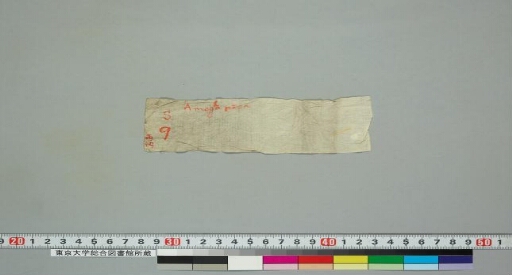
matsunami_19 Language : Sanskrit Scripts : Nepālākṣara and Devanāgarī
This text is an astronomical work consisting mainly of tables. It begins with the author's description, including Dhruvasaṃvatsara and Vālakaghaṭikā, and mentions several auspicious place names such as Kāśmīra, Kurukṣetra, Kāśī, and Burhanpur, along with a description of the ghaṭikā (f.1a). It also refers to year systems such as Dhruvasaṃvatsara and Śeṣasaṃvatsara. The manuscript includes sections on Tithisādhana (f.3a–6b), Nakṣatrasādhana (f.7a–11b), Yogasādhana (f.11a), and Dhruvasaṃvatsara (f.18b–26b). It further presents calculations for identifying the phalas (results) of each planet, beginning with the Sun and continuing up to Saturn (f.27b–44a). Additionally, it contains time calculations used to predict the positions of each zodiac sign (rāśi) and the lagnas (f.44b–51a). The entire manuscript primarily consists of calculation charts.
Amoghapāśahṛdaya
matsunami_20 Language : Sanskrit Scripts : Nepālākṣara
This is a Mahāyāna Hṛdaya Sūtra text dedicated to the deity Amoghapāśa, a form of the Bodhisattva Avalokiteśvara. It explains the stories of Amoghapāśa and how he rescued people from difficult times and situations.
Amoghapāśahṛdaya; Prajñāpāramitāhṛdaya
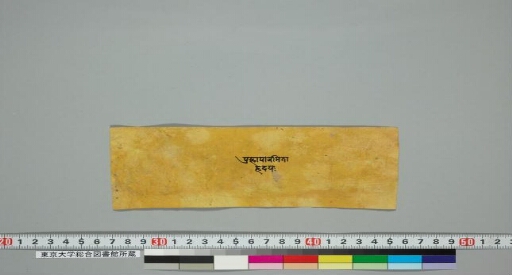
matsunami_21 Language : Sanskrit Scripts : Nepālākṣara
This is a composite manuscript contains two Mahāyānasūtra texts: Amoghapāśahṛdaya and Prajñāpāramitāhṛdaya.
Amoghapāśahṛdaya; Avalokiteśvarasya Abhayaṃkarī dhāraṇī
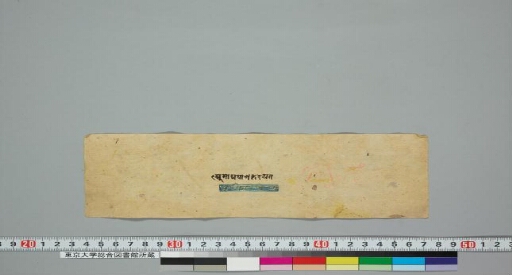
matsunami_22 Language : Sanskrit Scripts : Nepālākṣara
This is a composite manuscript contains two Mahāyānasūtra texts: Amoghapāśahṛdaya and Avalokiteśvarasya Abhayaṃkarī dhāraṇī
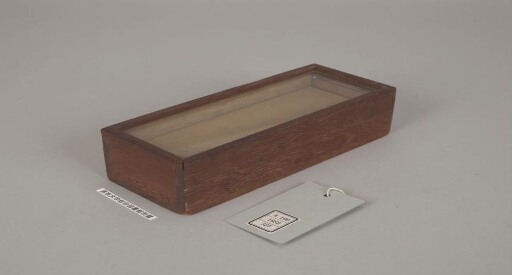
Amoghapāśahṛdaya; Śragdharā-stotra
matsunami_23 Language : Sanskrit Scripts : Bhujinmol
This is a composite manuscript consisting of the Amoghapāśahṛdaya and the Śragdharā-stotra. The Amoghapāśahṛdaya belongs to the Mahāyāna Hṛdaya Sūtra class and is dedicated to the deity Amoghapāśa, a form of the Bodhisattva Avalokiteśvara. It narrates stories of Amoghapāśa and explains how he rescued people during times of struggle and hardship. The Śragdharā-stotra is a hymn composed in the Śragdharā metre and belongs to the stotra genre of texts. The colophon mentions that this manuscript was produced during the reign of King Abhaya Malladeva of the Malla dynasty of Nepal, who ruled from 1216 to 1255. Based on the date and the name of the king mentioned in the manuscript, it can be considered one of the oldest copies of these texts.
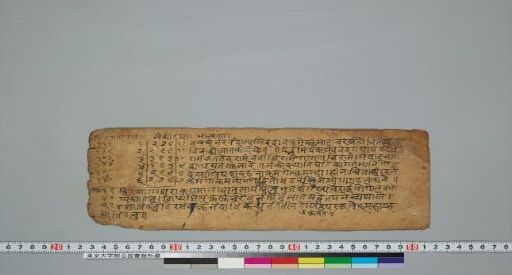
Paddhatikalpavallī
matsunami_24 Language : Sanskrit Scripts : Nepālākṣara
An astrological text by Viṭṭhala Dīkṣita (early 17th century) with the commentary Arthasugandhā by his son Raghuvīra Dīkṣita. This manuscript contains astrological tables. Viṭṭhala Dīkṣita was the son of Būba Śarman of the Kṛṣṇātri gotra. Raghuvīra Dīkṣita resides in Varanasi (Pingree, 1970, p. 383). Paddhatikalpavallī originally has four chapters: bhāva, balasādhana, āyurdāya, and daśā (Pingree, 1970, p. 643). These chapters are called kusuma. This manuscript contains one extra chapter named dṛṣṭikusuma.
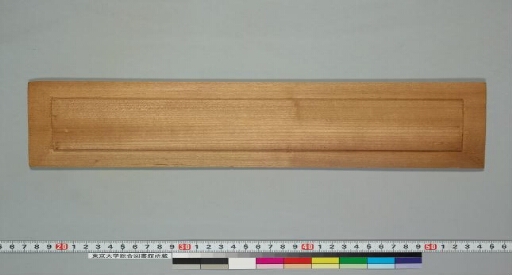
Avadānaratnamālā
matsunami_25 Language : Sanskrit Scripts : Nepālākṣara
This is an Avadana text (Buddhist canonical stories) contains 5 stories: Kauśidyavīryotsāhana-avdāna, Snātāvadāna, Cakrāvadāna, Pretīkāvadāna, Śālapuṣpāvadāna. Originally, the text contains a total of 27 stories. These stories were narrated by Upagupta to the Mauryan King Aśoka.
Avadānaratnamālā
matsunami_26 Language : Sanskrit Scripts : Nepālākṣara
This is an Avadāna text (Buddhist canonical stories) that contains three chapters (three stories): Tripiṭāvadāna (the 20th story), Dhārāmukha-vajrapāṇi-gopālaka-lubdhaka-damanāvadāna (the 26th story), and an incomplete part of the Lekuṃcikāvadāna (the 21st story). Originally, the text contains a total of 27 stories. These stories were narrated by Upagupta to the Mauryan King Aśoka.
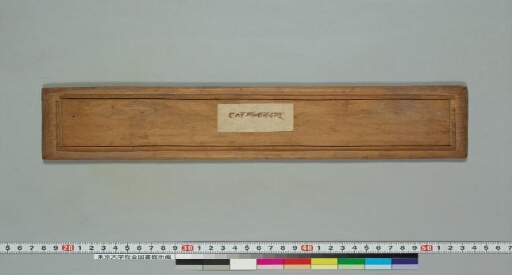
Avadānaratnamālā
matsunami_27 Language : Sanskrit Scripts : Nepālākṣara
This is an Avadāna text (Buddhist canonical stories). It contains all the stories, but the manuscript is incomplete (folios 175–177, 180, 181, 185–188 are missing). These stories were narrated by Upagupta to the Mauryan King Aśoka. This is a dated manuscript mentioning Saṃvat 919, which is most probably the Nepal Saṃvat, so the date of the manuscript could be 1798 CE. The scribe was Harṣabhadra, son of Jinīndabhadra.