
Manuscripts
Search Filter
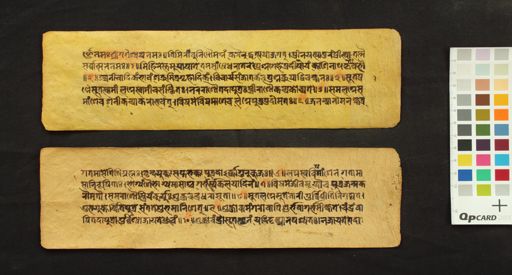
Composite text (Praśnapradīpa + Śīghrabodha)
eap_79005034 Language : Sanskrit Scripts : Nepālākṣara
This is a composite Astrological text, Śīghrabodha and Praśnapradīpa both authorized by Kāśīnātha. Praśnapradīpa another essential Sanskrit text it provides specific formulas to predict whether a task will be successful. The text has 15 chapters. Manuscript contains 4 chapters only it starts from f. 3 1st chapter, f.6 3rd chapter, f. 8 4th chapter, f. 9 has 5th chapter, The 2nd text Śīghrabodha text primarily focused on Muhurta also detailed explanations Tithi, vāra, nakṣatra, yoga and karaṇa. The text divides 5 chapters or Prakaraṇās. The manuscript contains only 2nd chapters from f.32 - 39 but the pagination is not correctly done several folios are missing. . It seems both the chapters are incomplete. The text was written in Newari script and has an astrological chart in the manuscript.
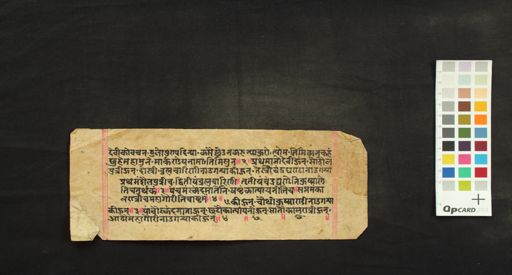
Durgāsaptaśatī
eap_79005035 Language : Sanskrit & Newar Scripts : Devanāgarī
This is a stotra text, Durgāsaptaśatī from Mārkaṇḍeyapurāṇa adhys. 81-93; also called Caṇḍī or Caṇḍīmāhātmya or Caṇḍīsaptaśatī. The text contains 700-verse to the victories of Goddess Durga over various demons. The manuscript contains main text with commentry name Bhākāṭīkā by Harihara Brahma. The commentry may be named bhāṣāṭīkā bcz it is in Newari language. Manuscript including; f. 12 Devīkavaca, f. 15 Argalāstotra and f. 18 Kīlaka. The manuscript image has repeted but folio 1 has missing so it is an incomplete manuscript.
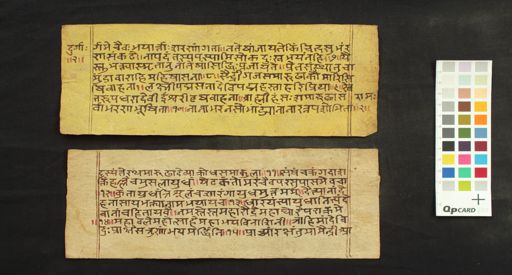
Durgāsaptaśatī (Devīkavacam)
eap_79005036 Language : Sanskrit Scripts : Devanāgarī
This is a stotra text, Durgāsaptaśatī by Harihara Brahma from Mārkaṇḍeyapurāṇa adhys. 81-93; also called Caṇḍī or Caṇḍīmāhātmya or Caṇḍīsaptaśatī. The text contains 700-verse to the victories of Goddess Durga over various demons. The manuscript contains only Devīkavaca , Argalāstotra. folio no. 1, 8 missing and it is an incomplete text.
Mantramahodadhi
eap_79005037 Language : Sanskrit Scripts : Devanāgarī
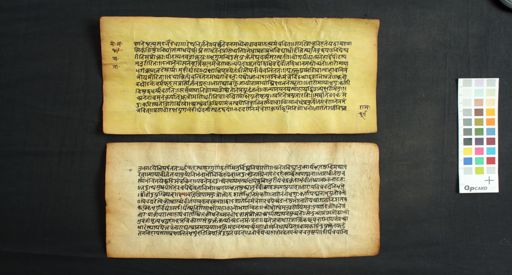
This is a mantra text, Mantramahodadhi composed by Mahīdhara son of Rāmabhakta and grandson of Ratnākara and great grandson of Keśava. The text has 25 chapters (taraṅgas). 1) Bhutaśudhyādinirupaṇam, 2)Gaṇeśamantranirupaṇam, 3)Kālīsumukhīnirupaṇam, 4)Tārā mantranirupaṇam, 5) tārābhedanirupaṇam, 6) chinnamastādimantranirupaṇam, 7) Yakṣiṇyādimantrakathanam, 8) vālālaghuśyāmamantranirupanam, 9) annapurṇādimantranirupanam, 10) bagalādimantrakathanam, 11) śrīvidyānirupanam, 12) tripursundaryo cakrasthapujananirupanam, 13) hanumanamantranirupanam, 14) Viṣnugarudamantranirupanam, 15) suryādilaghumṛtyñjayavyāsamantranirupanam, 16) Śivādimantranirupanam, 17) Kārtaviryamantranirupanam, 18) Kālarātricaṇdīmantraśatacandyādividhinirupanam, 19) Taraṅgatāmracudādimantranirupanam, 20) Taraṅga yantramantrādinirupanam, 21) Devsyasnānadividhinirupanam, 22) Pujāpaddhatinirupanam, 23) Damanapavitrārthananirupanam, 24) Mantraśodhananirupanam, 25) Ṣaṭkarmanirupanam. The text contains the healing by Mantra also qouted some ayurvedic theory by mantra. The manuscript strats from folio no. 19 and continue 26, after that 126 - 128 folio no. 22 and 128 are missing at the end colophone part is there and only 25th chapters name has mentioned perhaps it is an incomplete text and folio 128b has an mantra chart.
Dvādaśarāśiphala
eap_79005038 Language : Sanskrit Scripts : Devanāgarī
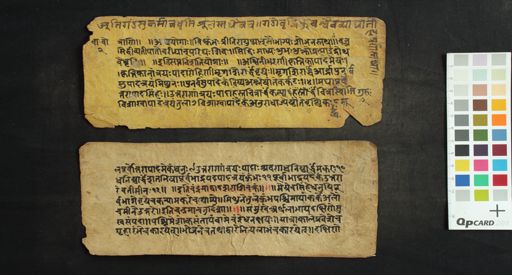
This is an astrological text, Dvādaśarāśiphala attributed to the Romakācārya and Yavanācārya joint authors. The text contains 12 zodiac signs and 27 Stars. The manuscript contains some sub chapters including; f. 2 candramādvādaśarāśicakram, f.3 candramā caturdaśāphalam, f.5 Candravalaṁ, f.9 siddhiyoga, mṛtyuyoga, f.10 utpātamṛtyuyoga, f.12 Yoginīcakram, f.13, gṛhāraṁbhedvādaśarāphalam, f.14 vidyārambha, vastraparidhānam, f.15 vivāhitastrīgṛhapraveśa, f.16 putraprasūtikāstrījalapujā, annaprāśana. The text has started fromfolio no. 2 and continue with 21 folios. foilo no. 4, 8, and 20 are missing it seems it is an incomplete manuscript written in Devanagari script and Sanskrit language.
Branch of Subhāṣita
eap_79005039 Language : Sanskrit Scripts : Nepālākṣara
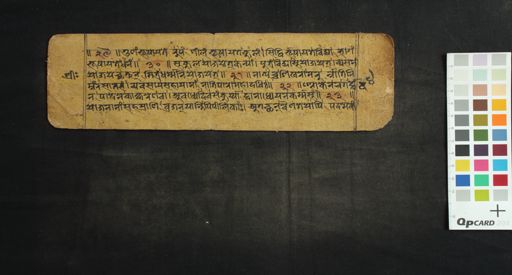
This is a fragments of Subhāṣita, The text has starts with folio no. 4 and continue with folio no.27 but in the middle several folios are missing including; folio. 5, 6, 9, 10, 14, 19, 20, 23. The Sloka numbers are also incomplete some places. The Subhāṣita's are quoted text is not mentioned. It seems it is an incomplete text written in Sanskrit language and Newari script.
Naiṣadhīyacaritam
eap_79005040 Language : Sanskrit Scripts : Devanāgarī
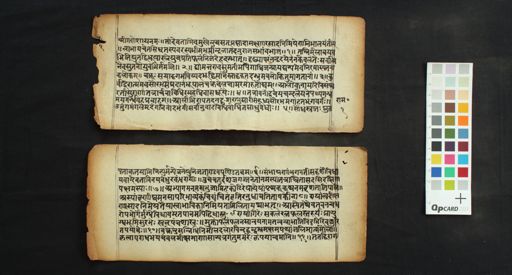
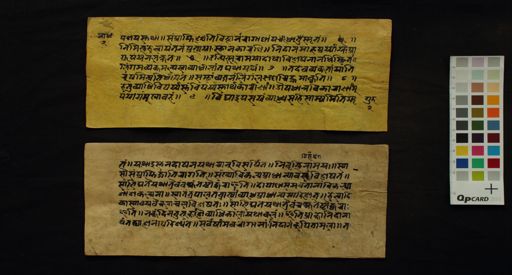
This text is a Mahakavya of Sanskrit literature, Naiṣadhīyacaritam or Naiṣadha. mahākāvya in 22 cantos. on the story of Nala and Damayantī based on theMahābhārata episode (upto the marriage). by Śrīharṣa, son of Śrīhīra and Māmalladevī; patronized by the King of Kānyakubja; in the 12th century. The manuscript here begins the beautiful and evocative description of Damayanti, the heroine of the Naiṣadhīyacaritam canto I "तां देवतामिव मुखेन्दुवसत्प्रसादाम् अक्ष्णारसादनिमिषेण विलोकयन्तः". The author and his parents name has mentioned several time in the manuscript without end of Cantos following; f.13, 29, 37. The text is written in Sanskrit language and Devanagari script yellow coloured ink has used covered mistakes. Folio 1 - 45 has continue at the end there a verso part ( folio no. 73) of the another canto so it is an incomplete manuscript.
Mādhava Nidāna
eap_79005041 Language : Sanskrit Scripts : Nepālākṣara
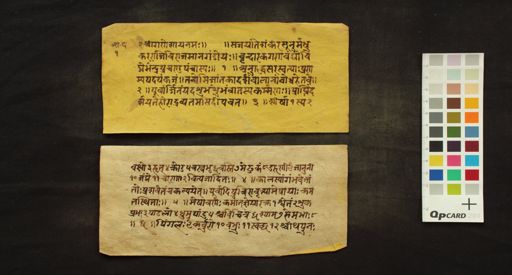
This is an Ayurveda text Mādhava Rugviniścaya or Gadaviniścaya or Nidāna by Mādhavakara around the 7th century, son of Indukara or Candrakara. The text is one of the most vital texts in Ayurveda. The text is organized into 69 chapters. The manuscript here describes only folio no. 42 Ajirna cikitsā , folio no. 54 raktapitta cikitsā. The text is written in sanskrit language and newari script, its starts with some middle parts of Nidana and also several foilos are missing including; 37, 38, 41, 42 it seems that it is an incomplete manuscript, though it is an incomplete and colophone part is not mentioned in the text the intermadiate colophone part is mentioned as Madhava Nidana so it is a well known text by Madhavakara. f.24 has some over write and mistakes covered by Yellow coloured.
Jātakādarśa
eap_79005042 Language : Sanskrit Scripts : Devanāgarī
This is a Jyotisa text Jātakādarśa composed by Śrī krṣṇarāma miśra, son of Śrī Śyāmālāla miśra. The text interpreting a birth chart to quickly judge the fruits of various planetary combinations. It holds 17 chapters. some chapters are missing at the starting including; The text is written in Sanskrit language and Devanagari script. From folio no. 19 - 37 has missing so its seems it is an incomplete manuscript folio 5, 7, 9 has some astrological chart. Ending each chapter scriber mentiond authors name and his fathers name, in the colophone scribe mentioned he was written the by the order of king goraksesvararajendravikrama. Several date has mention including; 1899, samvat - 1958, Saka - 1823, nepali - 1022 and scribe name is Caityaraja.
Fragment of Kṣemakūtūhalam
eap_79005043 Language : Sanskrit Scripts : Devanāgarī
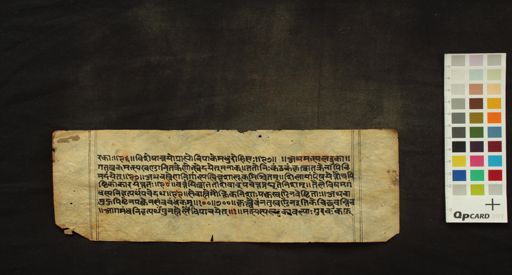
This is an Ayurveda text it is a seminal work in the Sūpaśāstra (science of cooking) tradition. Kṣemakūtūhalam attributed by Kṣemaśarma in the 16th century, son of Naravaidyanātha. The text is organized into 12 Chapters, which the author poetically calls Utsavas (Festivals). The text here holds the 11 chapter of the book which is describes about recipes for laddus and sweets following; matsyaladduka, kṣīravaṭakavaṭī, kṣīramodaka, svaduladdukā, rocakadugdhagolakam. The manuscript begins here folio no. 70 and continue with 78 after that only folio no. 83, 86, 89 is present, several foilos are missing. In the colophone part authors name his fathers name and chapter no. 11(Kṣubdodhaka) has mentioned but the page has without pagination so it seems that it is an incomplete manuscript.
Mādhava Nidāna
eap_79005044 Language : Newar Scripts : Nepālākṣara
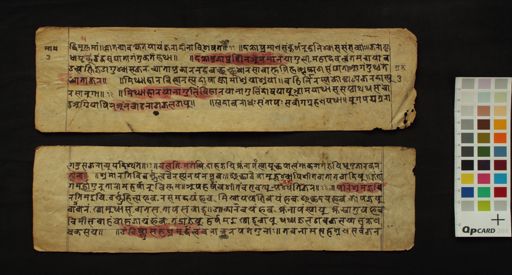
This is an Ayurveda text Mādhava Rugviniścaya or Gadaviniścaya or Nidāna by Mādhavakara around the 7th century, son of Indukara or Candrakara. The text is one of the most vital texts in Ayurveda. The text is organized into 69 chapters. This manuscript is written in Nevari language and Nevari script. The text here holds only chapter 2, 3, 5, 6, 8, 11, 12. including; f. 37 jvaravicikitsā, f. 38 mutrajihvācikitsā, f. 51 Arśacikitsā, f. 54 ajirṇacikitsā, f. 60 pāṇduharimacikitsā, f. 68 kāsacikitsā, f. 69 hikkvācikitsā. This manuscript has not mentioned any colophone and starts from folio no. 3 several pages are missing following; 7, 9, 10, 39, 53, 56, 63 - 66 so its seems that it is an incomplete manuscript. Though it is an incomplete and colophone part is not mentioned in the text the intermadiate colophone part is mentioned as Madhava Nidana so it is a well known text by Madhavakara
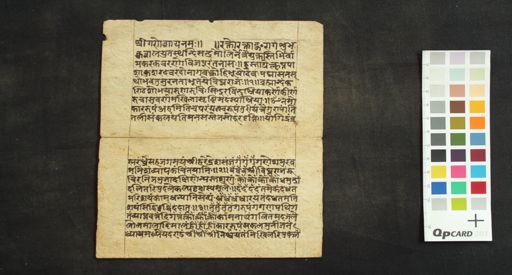
Ekākṣara Gaṇapati Stotram
eap_79005045 Language : Sanskrit Scripts : Devanāgarī
This is an Stotra text from Rudrayamala,the Ekākṣara Gaṇapati Stotram (Single-Syllable Ganesha Hymn) is a powerful, meditative prayer dedicated to the 17th of the 32 forms of Ganesha. The text is written in Sanskrit language and Devnagari script at the colophone it has mentioned the text name and the date. Cover page of this text has an illustration in Pencil.