

Manuscripts
Search Filter
Dakṣinākālyayutākṣraparyyantaṃ mantrooddhārakathanaṃ
eap_79002032 Language : Sanskrit Scripts : Devanāgarī
This is a tāntric text, it is a part of the Mahākālasaṃhitā chp 242, there are 9 types of kālī including; Dakṣiṇā kālī, Bhadra kālī, śmaśāna kālī, Kāla kālī, Guhya kālī, Kāmakalā kālī, Dhana kālī, Siddhi kālī, Caṇda kālī. The text describe Dakṣiṇā kālī's mantra or tantra part in 5 slokas. The description of the Bīja (seed-syllable) at the beginning of this mantra and Svāhā at the end. Though there is not mentioned the authors name but it possible that the edited part is Mahākālasaṃhitā. The manuscript is good, letters are calligraphically bold scratched. Its not complete.
Dakṣiṇākālī nityapūjāvidhi
eap_79002033 Language : Sanskrit Scripts : Devanāgarī
This is a tantric ritual text, Dakṣiṇākālī nityapūjāvidhi. It is a part of the Mahākālasaṃhitā , is an ancient Hindu text focused on the worship of Lord śiva and Goddess kālī. Chapter 1, describes the Guhyakālī Khanda, introduces the fundamental concepts and principles of this worship. The text describes daily pūjāvidhi and hand gestures at the time of pūjā of the godess Dakṣiṇākālī. At the end the colophone part is mentioned that the author is Adinātha but the the text is starting in the Manuscript is middle part so this is an incomplete text.
Hari Hari Hari vāhanodbhavam
eap_79002034 Language : Scripts :
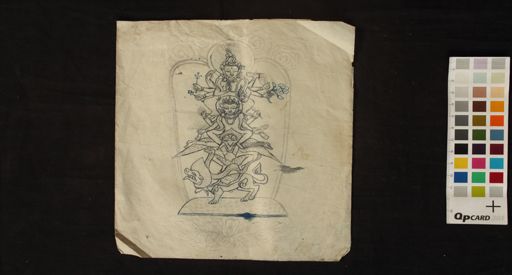
This is an illustrated skteches. There is no text part. The skteches refers to a specific iconographic form of the Buddhist deity Avalokiteśvara (known as Lokeśvara), also called Harihariharivāhana Lokeśvara. The name translates to "The Lord who has Hari, Hari, Hari as his vehicle (vāhana)". In this composite image, the deity Nārāyaṇa (Vishnu, who also has the synonym "Hari") rides on Garuḍa, and the Bodhisattva Avalokiteśvara sits on the shoulder of Nārāyaṇa/Viṣnu. Thus, the phrase describes the unique hierarchy of vehicles in this specific Buddhist iconography, where all three "Haris" (snake, lion, and Vishnu's mount Garuda/Vishnu himself) serve as the vehicle for Avalokiteśvara. There is only three pages pg.1 only has sktech by pen, pg.2 has sktech by pen and pencil, pg.3 has sktech by pencil and middle part is coloured.
Dakṣiṇākālī Stotra
eap_79002035 Language : Sanskrit Scripts : Devanāgarī
This is a tāntric stotra text, Dakṣiṇākālī Stotra . It is a part of the Mahākālasaṃhitā , it is an ancient Hindu text focused on the worship of Lord śiva and Goddess kālī. Chapter 1, describes the Guhyakali Khanda, introduces the fundamental concepts and principles of this worship. The text describes only the stuti or praise of the godess Dakṣiṇākālī. Though its not mentioned author name but the part of the mahākāla saṁhitā is mentioned so probablly it would be Adinātha's text. The Manuscript is damaged last folio is torn and incompolete.
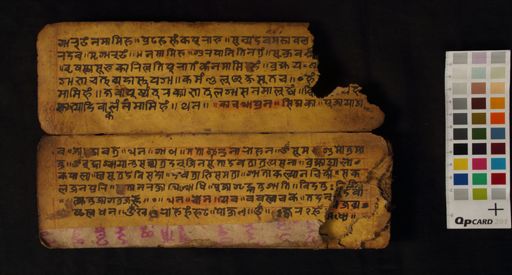
Buddha pūjā paddhati
eap_79003001 Language : Sanskrit & Newari Scripts : Nepālākṣara
This is a Buddhist ritual text on Buddha Pūjā and its Vidhi (procedure). Lord Buddha is the founder of Buddhist philosophy. Followers of Buddhism perform devotional practices involving meditation, prayers, and making offerings (such as flowers, incense, and food) to a shrine or statue of the Buddha. These ceremonies can also include chanting mantras and reciting sūtras, often accompanied by physical acts like bowing and prostration to show respect. The text is divided into two parts; the second part describes the Pūjā Vidhi and also illustrates several ritual objects, including: f. no. 34 with a Yajña Vedī illustration, f. no. 52 and 53 with a table/chart illustration, and f. no. 54 with a Yantra Cakra illustration. Interestingly, the date is mentioned here. Since no pagination is mentioned, the serial number has been followed. The manuscript is slightly damaged.
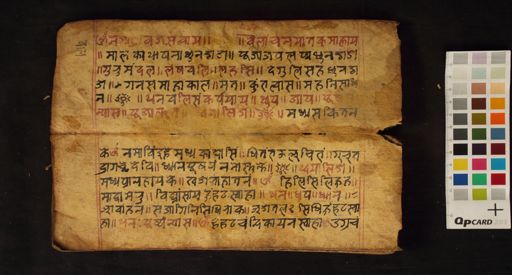
Ṣoḍaśa validhāya
eap_79003002 Language : Sanskrit & Newari Scripts : Nepālākṣara
This is a buddhist Ṣoḍaśa validhāya text. It may be a 16 types of homa or 16 types Pūjā paddhati which is describes in the text. The text completed and good in physical condition, it has used red ink for highlighting part at the end of the folio no. 33 has an illustration of Śodasavariboya but it has not mentiond any authors name only the signature word is mentioned.
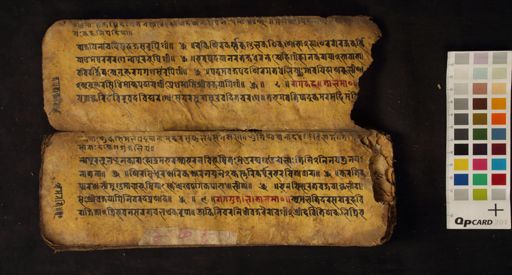
Caryā Gīti; Gana Chakra Gāthā
eap_79003003 Language : Sanskrit & Newari Scripts : Nepālākṣara
Caryāgīti refers to “tantric music”, according to the Caryā Tantra divisions of Mahāyāna-Vajrayāna Buddhism, according to Buddhist teachings followed by the Newah in Nepal, Kathmandu Valley. Caryā Tantra is primarily the performance of caryāgīti, "tantric music", and the performance of pūjā by a priest for the daity.
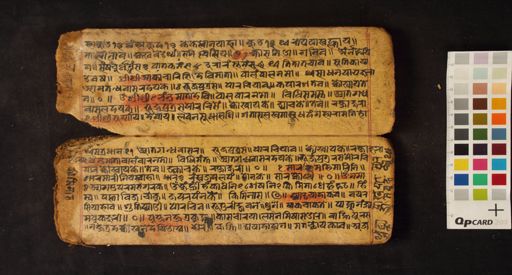
Aṣṭamātṛkā Pūjā Vidhi
eap_79003004 Language : Sanskrit Scripts : Nepālākṣara
This is a Buddhist ritual text on Aṣṭamātṛkā pūjā vidhi. The Matrikas are a collective of seven or eight goddesses, whose paradoxical natures express the interrelationship between the cyclical nature of women’s bodies and perennial earth based rituals. The Mātrikas are aspects of the Great Goddess in her full power and work together in collective form. In now a days the eight goddess are located at Nepal's Bhaktapur region They are known as Brāhmaṇī (east), Maheśvarī (southeast), Kumārī (south), Vaiṣṇavī (southwest), Vārāhī (west), Indrāṇī (northwest), Cāmuṇḍā (north), and Mahālakṣmī (northeast). The text describes the pūjā vidhi of the Aṣṭamātṛkā. In the manuscript hasn't mentioned any authors name or the text name but in the margin of the first folio there are mentioned Aṣṭamātṛkā so it followed the title. The text is in good condition and used red ink also for the highlighting part.
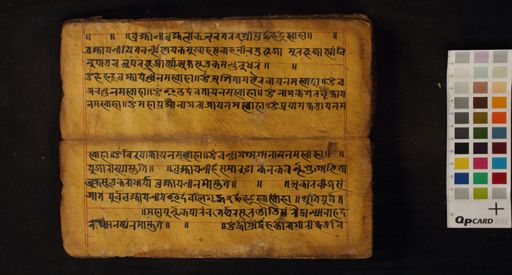
Buddha vidhi; Daśa karma
eap_79003005 Language : Sanskrit & Newari Scripts : Nepālākṣara
This is a Buddhist ritual text. It has two parts lord buddha's puja and the Daśakarma vidhi. From folio 1-4 has describes the puja vidhi of lord Buddha by a buddhist practitionar, after that f.5-29 has describes Daśakarma vidhi, it is a set of ten life-cycle rituals important in Newar Buddhist culture, these rites mark the different stages of life, from birth to old age, and are considered essential for spiritual progress and achieving enlightenment. from f.30 -35 has a heavily damaged part so its impossible to ascertain words or sentences. Also the manuscript is not complete, it has no pagination so serial number has followed.
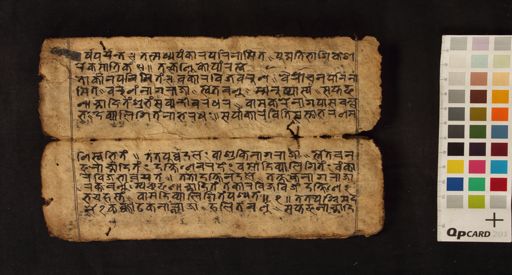
Jalajāge vidhi
eap_79003006 Language : Sanskrit & Newari Scripts : Nepālākṣara
The Buddhist ritual text, Jalajāge vidhi, describes the pūjā vidhi (worship procedure) of the Nāgadevatā (Snake Deity). Nāgas like Ananta and Vāsuki are positioned on the left and right sides, followed by the Pañcopahāra pūjā. After this worship, there are Vali (offerings), Guru Pūjā, and the sounding of the Ghaṇtā (bell), etc. The end of the manuscript does not mention the author or the section/part of the text, but only provides the date. A long list of Pūjā Sāmagrī (worship materials), names of Nāga Deities, and Maṇḍalas is found at the very end, making it possible that the text is incomplete.
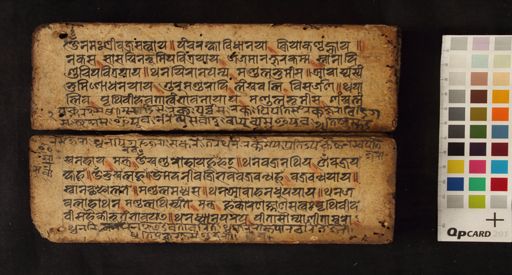
Pañcarakṣā vidhāna, Pūjā vidhi
eap_79003007 Language : Sanskrit & Newari Scripts : Nepālākṣara
This is a Buddhist ritual text, which is collection of manuals for the performance of Pañcarakṣā vidhāna and Pūjā vidhi, The term Pañcarakṣā reffers both the scriptures and the five female protector deities following; Mahāsahasrapramardinī, Mahāmāyūrī, Mahāśītavatī, and Mahāmantrānusāriṇī, known to emerge from the 5 dhyāni Buddhas. The text describes only mannual part likely hand gesture during the pūjā, Vali (offerings) e.t.c. There are several folio where the handwriting were change, some folium has red mark highlighter at the end of every word, three pages has little illustration and has no any pagination, neither the name of the author, nor the history of the work, can be ascertained from the codex it is possible that it's an incomplete text.
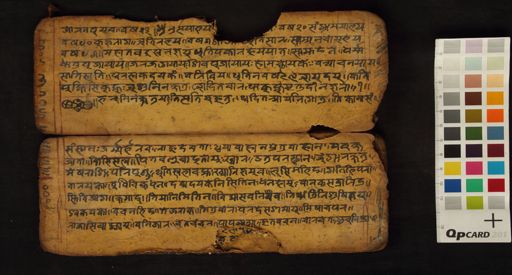
Buddha Stava
eap_79003008 Language : Sanskrit Scripts : Nepālākṣara
This is a stotra text on Buddha stava or stotra. It describes Bodhisttavas two form Buddhabhaṭṭāraksya Buddhadharmasadyustava, Āryāvalokiteśvarabhaṭṭārakasya Candraprabhāstotra. From starting to f. no.16 describes the praising(stotra) of lord buddha and folio 17 describes the praising(stotra) of Candraprabhā As a bodhisattva, Candraprabhā is known as Moonlight Bodhisattva and is venerated in Mahāyāna and Vajrayāna Buddhism, particularly within the context of the Medicine Buddha's pure land. There are several folios where the handwriting were changed Middle of the f. no. 6&7 also changed the colour of ink and from f. no.17 are respectivly changes. Interestingly at the end of the folio has list of conjunct consonant and vowel sign in cosonants in horizontally form. Neither the pagination nor the author's name can be ascertained, for the pagination the serial number has followed.