

Manuscripts
Search Filter
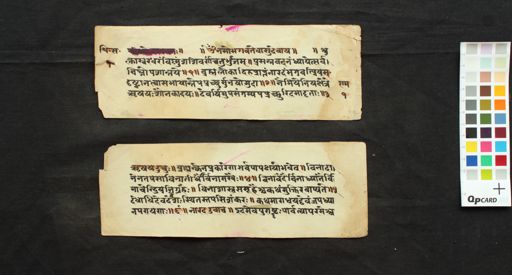
Viṣṇu Sahasranāma stotra
eap_79021008 Language : Sanskrit Scripts : Devanāgarī
Viṣṇu Sahasranāma is a well-known Sanskrit hymn that lists 1,000 names of Lord Vishnu in 108 verses. It appears in the Anushasana Parva of the epic Mahabharata, traditionally attributed to the sage Ved Vyasa. This text is from Padma Puraṇa In this text, Brahma tells Narada about the glory of Lord Vishnu. Nārada then explains that it is actually a conversation between Pārvati and Maheśvara about Viṣṇu Sahasranāma. The text from Uttarkhanḍa of Padma Puraṇa.
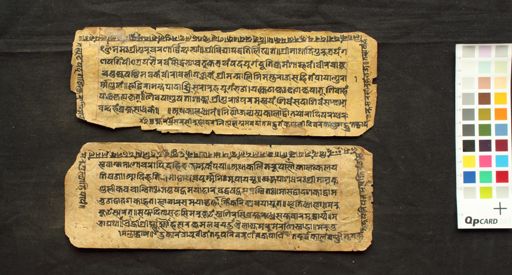
Śaktyārcarana, Śrī Gurū Stavana
eap_79021009 Language : Sanskrit Scripts : Nepālākṣara
It consists s the ritual worship,honoring, and praising of the Divine various Shakti, recognizing them as the source of all creation and life. Through prayers, chants, offerings, and devotional practices, devotees seek to connect with it . The first folio is incomplete which is Guru stavana.
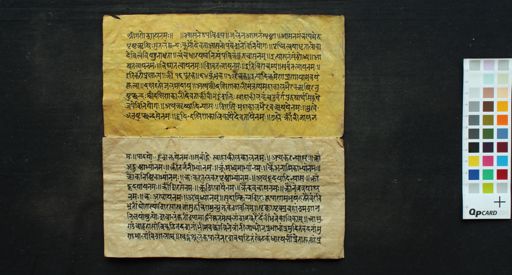
Dakṣiṇā Kālikā Stotra
eap_79021010 Language : Sanskrit Scripts : Devanāgarī
This is stotra of Dakṣiṇā Kāli is s one of the most popular hymns dedicated to goddess Kāli. Worship of this form of Kali is especially prevalent in regions like Bengal and Nepal. Regular recitation of this stotram grants devotees freedom from fear, victory over enemies and progress on the spiritual path. Goddess Kali is the first among the Dasha Mahavidyas.
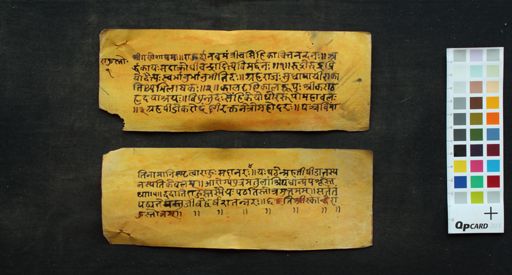
Rāhu Stotra
eap_79021011 Language : Sanskrit Scripts : Devanāgarī
The text is Rāhu Stotra. Rāhu is an asura (unlike other planets) and son of sage Kasyapa and an ogre called Simihika. He was born with a serpent head. This stotra is describing about how is Rāhu planet like he is Angry one, Devotee of Rudhra, Glory of Rāhu. The one who reads this great prayer, would be given to him by Rāhu Health, incomparable sons, wealth would be given to him by Rāhu. In the (f.2b) is illustrated. It maybe god Rāhu.
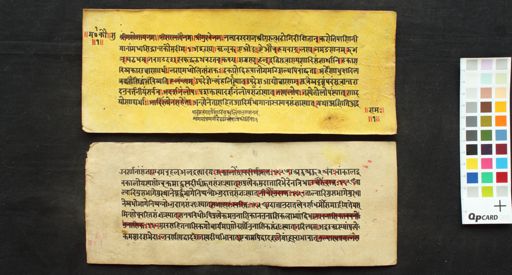
Madhyasiddhāntakaumudī
eap_79021012 Language : Sanskrit Scripts : Devanāgarī
It is text of Madhyasiddhāntakaumudī by Varadarāja (1600–1650), son of Durgātanaya, disciple of Bhaṭṭoji Dīkṣita. It is a facilitating the study of the Siddhānta-kaumudi. The work simplifies the original text's complex rules, making it easier for students to understand the principles of Sanskrit grammar, and is a significant and popular introductory text in the field. It is also known as Madhyakaumudi or Madhyamakaumudi and is an important part of the Kaumudi series of grammar texts. The manuscript contains complete text of Madhyasiddhāntakaumudī.
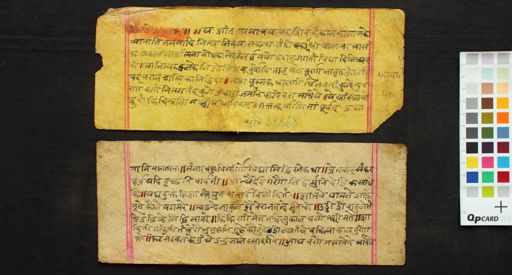
Nānā Rahasya Prayoga
eap_79021013 Language : Sanskrit Scripts : Devanāgarī
This text is written by Siddha Nāgārjuna or Nāgārjuna. This is a Tantric text. It contains 21 Paṭala (chapters). A text also called Siddhacāmuṇḍā, Siddhanāgārjunatantra on mantra, alchemy and magic. It seems the scribe is mentioned as Viśvanātha is his family deity in the end of the text (f.101)
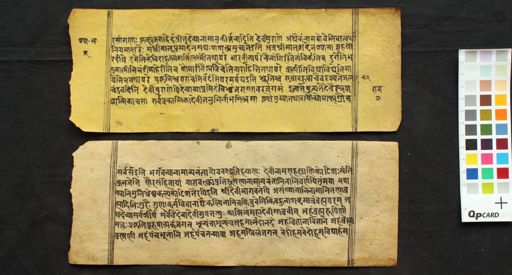
Śyamabhakti Sudhārṇava
eap_79021014 Language : Sanskrit Scripts : Devanāgarī
This is a riligious text by Kāśināth Bhaṭṭa. Kāśināth Bhaṭṭa is son of Jayarāma Bhaṭṭa, from Varanasi. It is compiled from various texts like Bhāgavata Purāṇa, Devī Purāṇa. Text contains Nityapūjā, Dakṣiṇa kālī pūjā. It has seven staraṅga(Chapter's). First (f.1b–9b),Second (f.9b–21a), Third (f.21a–31b), Forth (f. 31b–43a), Fifth(f.43a–60a), Sixth(f.60a–66a), Seventh (f.66a–74a)
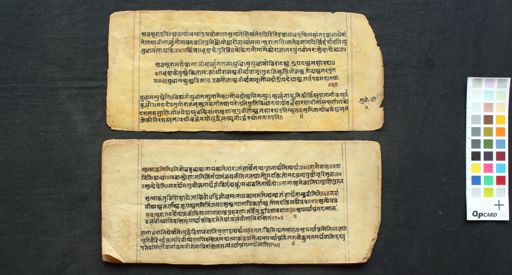
Bhagvata Gīta Ṭikā
eap_79021015 Language : Sanskrit Scripts : Devanāgarī
The text is a commentary by Śrīdharasvāmin on the text Bhagavadgītā which is the 3rd part out of the 4 from the 6th Parva (chapter) of the epic Mahābhārata, that is Bhīṣmaparva. They are a total of 18 Parvas. It is more well known as a stand alone text than most other parts of the Mahābhārata because of it's attribution to Kṛiṣṇa and his teachings of Dharma. Because of the text being rich in philosophy it is considered to be like an Upaniṣada mostly by the Vaiṣṇava tradition. The text has elements of Yoga, Sāṃkhya and Vedānta school of Hindu philosophies present in it. The speakers of the verses are given as Dhṛtarāṣṭa, Sañjaya, Arjuna and Śrībhagavāna Uvāca. This manuscript's commentary runs along the main text which has 18 Adhyāyas (chapters). The name and place of the scribe and date is in the manuscript (f.168b)
Raghuvaṁśam
eap_79021016 Language : Sanskrit Scripts : Devanāgarī
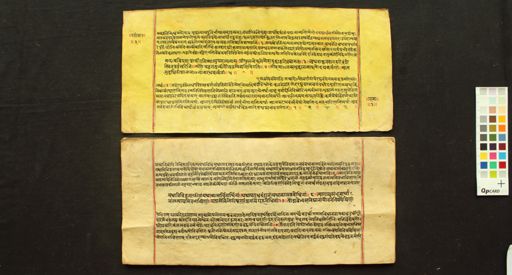
This Sanskrit mahākāvya (‘epic poem’) by Kālidāsa tells the story of several generations of the descendants of Raghu, ancestor of Rāma (‘vaṃśa’ means lineage). This manuscript contains all 19 cantos along with ‘Sañjivanī’, the commentary by Mallinātha (1375–1450) but the manuscript has lost two folia which contains the beginig verses (1-21) of the 19 cantos.
Mārkaṇḍeyapurāṇa
eap_79021017 Language : Sanskrit Scripts : Devanāgarī
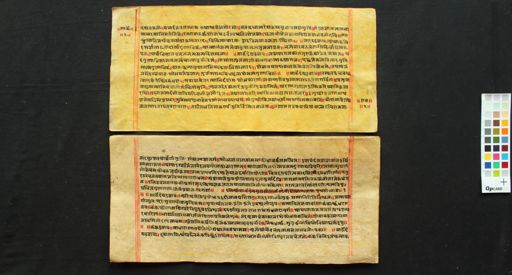
Chapters are: Mārkaṇḍeyopasthāna (f.1b-3a); pakṣisutāti (f.3a-5a); pakṣijanma (f.5a-7b); caturvyūhāvatāra (f.7b-9a); indravikrivā (f.9a-10a); sixth chapter (f.10a-11a); pāṇḍaveṣakathā (11a-13a); Hariścandropākhyāna (f.13a-21a) āhivakayuddha (21a-22a); pitāputrasaṃvāda (f.22a-24b); 11th chapter (f.24b-25b); 12th chapter (f.25b-26b); pitāputrasaṃvāda (f.26b-27b); yama-kiṅkara saṃvāda (f.27b-30a);
Agni sthāpana vidhi
eap_79021018 Language : Sanskrit Scripts : Devanāgarī
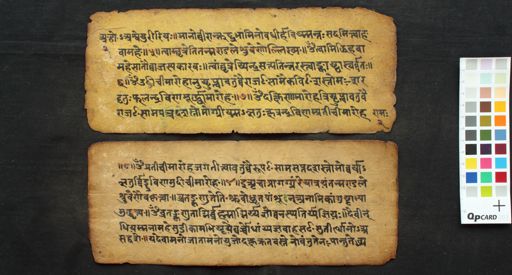
This is a vedic ritual text, it refers to the sacred ritual of establishing the sacrificial fire before beginning any Vedic Homa or Yajna. It is the process of inviting the deity Agni into the Kunda and transforming a physical fire into a divine medium. It describes five purificatory acts performed on the ground or the Kunda including; 1) Sweeping/cleaning the area 2) Smearing with cow dung or sacred water 3) Drawing lines 4) Removing a small amount of earth from the lines 5) Sprinkling holy water. The manuscript is good readable the first page has slightly torn to the side margin neither colophone nor the title has mentioned in the text so the intermadiate colophone has helping out the title.
Praśna Pradīpa
eap_79021019 Language : Sanskrit Scripts : Devanāgarī
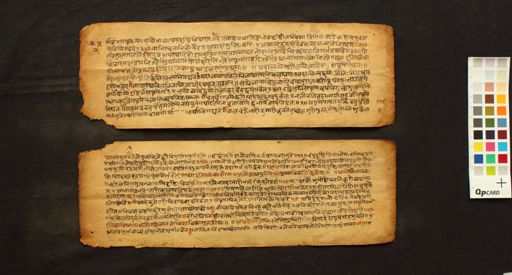
This is a Jyotiśa text Praśna Pradīpa or Praśnadīpa or Praśnagehadīpa composed by Kāśīnātha in 14 chapters. The manuscripts describes only five chapters including; f.2 Sūtikāpraśna prakaraṇa 1st Adhyāya; f.2b Praśnādhikāra 2nd Adhyāya; f.2b Strījātakādhikādhikāra 3rd Adhyāya; f.3b Rogipraśnādhikāra 4th Adhyāya; f.8a Bhojanapraśnaḥ 15th Adhyāya. Several chapters are missing but pages are consistent manner so it seems scriber unintentionally did wrong. The colophone part has present in every chapters ending. The manuscript is complete but the text is incomplete.