
Manuscripts
Search Filter
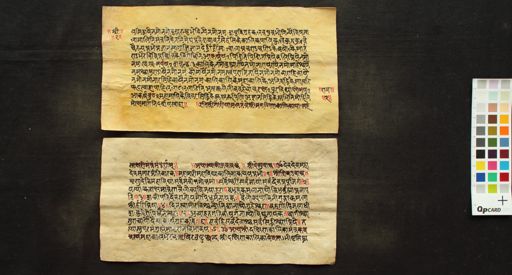
Dakṣinā kālī sahasrākṣarī Stotra
eap_79021020 Language : Sanskrit Scripts : Devanāgarī
This is a stotra text Dakṣinā kālī sahasrākṣarī from several main text including; f.2 Dakṣinā kālī sahasrākṣarī mantra from Gaurī yāmala Tantra; f.5b Bīja kavaca from Rudrayāmala Tantra; f.9b Dakṣiṇā kālī makarandastavarāja from Mahākāla Saṃhitā; f.12 Dakṣinā kālī Upaniṣad from Atharvaṇa saubhāgya kāṇḍa. It seems that the text is collect from several tantra text and in the colophone part scribe and date has mentioned. The manuscript is good but some pages are missing, colophone part is highlighted by red coloured ink.
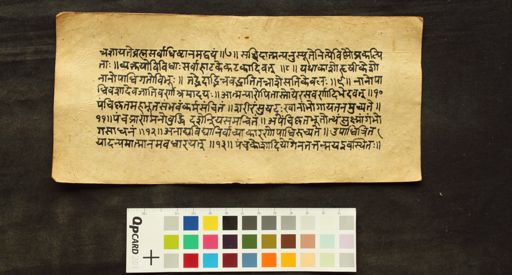
Ātmabodha
eap_79021021 Language : Sanskrit Scripts : Devanāgarī
This is a famous short treaty Ātmabodha, attributed to Śaṅkarācārya comprising only 68 verses. The manuscript describes for those seeking to understand the nature of the self and the path to liberation. Ātman (the individual soul/Self), and Bodha (knowledge or awakening). The text has only 60 verses. It seems it is an incomplete text also author name has not mentioned in the colophone. The attributed name is collected from Intermadiate colophone. (see, NCC. vol. 2 pg. 54)
Jvara Stuti
eap_79021022 Language : Sanskrit Scripts : Devanāgarī
This is a stotra text of Jvarahara Stotram. This is actually a part of the śrīmad Bhāgavatam of 10 canto 63 adhyāya. The text holds recited to Lord Viṣṇu for the alleviation of fevers, illnesses, and mental distress. Jvara is not just a symptom but a personified deity or monster representing the "King of Diseases". The manuscript is written in Sanskrit language and devanāgarī script. it is in good condition and margin side has used to fill withred colour.
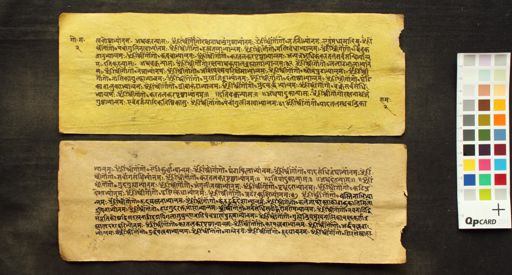
Gorakṣanātha Stotra
eap_79021023 Language : Sanskrit Scripts : Devanāgarī
This is a Gorakṣanātha stotra text, a part from Garga Samhitā, Viśvajit-khaṇḍa. The text is in a form of conversastion between Nanda Mahārāja (Questioner) and Garga Muni (Respondent). Garga Muni explains that Gorakṣanātha is not a common mortal born of a womb. Instead, he is a manifestation of Lord Śiva himself. Garga Muni clarifies that Gorakṣanātha appeared to establish the path of Yoga and to protect the the senses of the devotees, leading them toward the realization of Lord Kṛṣṇa. The text is written in sanskrit language and devanagari script, but the text is incomplete.
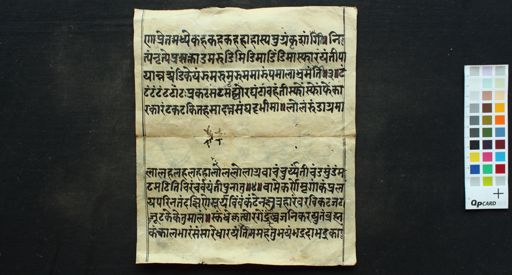
Kālikāsṛkaṃ stotraṃ
eap_79021024 Language : Sanskrit Scripts : Devanāgarī
This is a Kālikāsṛkaṃ stotraṃ text, a part of Tantra Kaumudī written by Devanātha Ṭhakkura Tarkapañcānana (He is also known as Saptakaumudīkāra, son of Govinda Ṭhakkura pupil of Soma Bhaṭṭa; native of Mithilā; patronized by Malladeva Nara Nārāyaṇa (1555-87 A. D.) Tantra Kaumudī is a significant compendium of rituals and mantras, particularly in the traditions of Bengal and Nepal. The text Kālikāsṛkaṃ stotraṃ describes the term Asṛk literally means "blood." In the context of this stotra, it refers to the deep, esoteric connection between the life-force, the sacrificial essence, and the terrifying yet motherly form of Goddess Kali. The stotra has completed in 8 verse and a single for the scribe name and date. The letters are in the manuscripts is ussually biggar that other manuscripts in the end of the folio scribe name and date has mentioned. (see NCC. vol. 9 pg. 110 b) The manuscript itself is complete but the tex is incomplete.
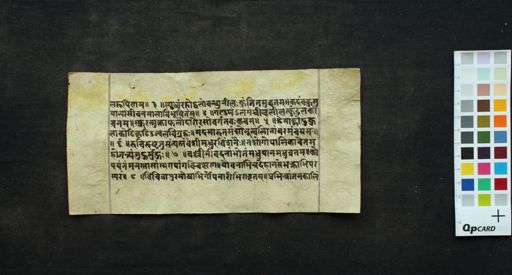
Gopāla Stava
eap_79021025 Language : Sanskrit Scripts : Devanāgarī
This is a stotra text of Gopāla or little Kṛṣṇa. The text is in verse form and it describes about the childhood of little Kṛṣṇa and details description of him who is playing in Vṛndāvana, including; the Vaijayanti neckless on his chest, the candana on his body, his deep eyes, the bangles of his hands etc. The text has ended in 16 verse only it has not mentioned any colophone so it seems it is an ncmplete text.
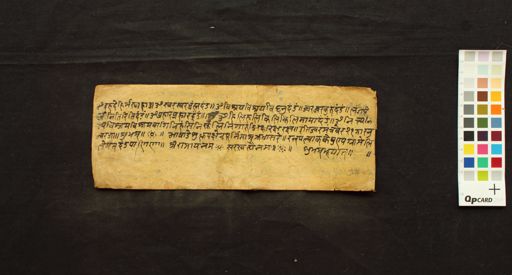
Jvara Stuti
eap_79021026 Language : Sanskrit Scripts : Devanāgarī
This is a stotra text of Jvara Stuti also known as Jvarahara Stotram is a profound prayer from the Śrīmad Bhāgavatam (10th Canto, Chapter 63). The text contains a conversation between jvara and Bhagavān (Viṣṇu). The text holds recited to Lord Viṣṇu for the alleviation of fevers, illnesses, and mental distress. Jvara is not just a symptom but a personified deity or monster representing the "King of Diseases". The manuscript is written in Sanskrit language and devanāgarī script.
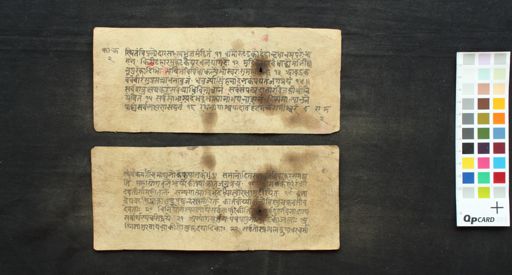
Kārtavīryārjunakavaca-stotra
eap_79021027 Language : Sanskrit Scripts : Devanāgarī
An invocation to Kārtavīrya to protect oneself from bodily harm (kavaca: armour). Some Purāṇas describe Kārtavīrya as Paraśurāma’s kśatriya antagonist, whereas in this text and others, he is himself identified with Viṣhṇu (G.C. Tripathi 1979).
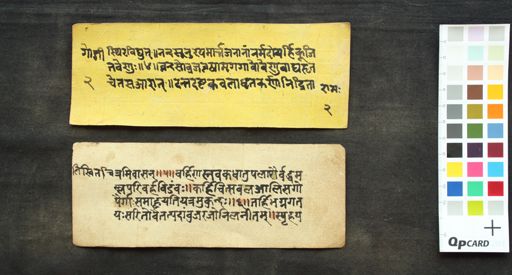
Gopīkānugīta
eap_79021028 Language : Sanskrit Scripts : Devanāgarī
A short text dedicated to Lord Kṛṣṇa by gopīs (female followers of Lord Kṛṣṇa). This text is composed of 25 verses. This text is a part of the 10th skandha (chapter) of the Bhāgavatapurāṇa.
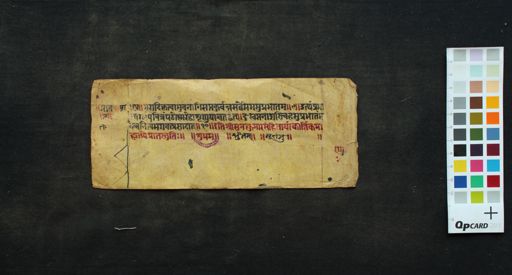
Prātastutiḥ
eap_79021030 Language : Sanskrit Scripts : Devanāgarī
This is a stotra text, Prātastutiḥ (Morning Prayer). The prayer is from Sanatkumāra samhita's kārtika māhātmyam, It describes in 10 verses and bow in the morning to total surrender to the Supreme Reality that is beyond words and mind. The manuscript written in sanskrit language and devanagari script. Colophone part has highlighted with red ink some letters are faded and not decipherable but it is a complete text.
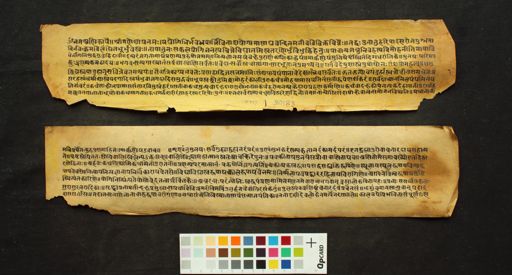
Kālikā Purāṇa
eap_79021031 Language : Sanskrit Scripts : Devanāgarī and Nepālākṣara
The Kālikā Purāṇa is one of the 18 Upa-purāṇas. It is the foundational text for the Śākta tradition in Eastern India, particularly in Assam and Bengal. It is unique for its detailed focus on the worship of Goddess Kāmākhyā and the rituals of the Kāmākhyā Temple. The text typically consists of 90 to 93 chapters (depending on the recension), containing approximately 9,000 verses. Attributed to Vyāsa. The Manuscript here describes several chapters the first four chapters are named with number of chapters including ; f.3 kāmaprādurbhāva, f.5b dvitīyodhyāya, f.7b ratyuvāca, f.9 vasantotpatti, after that only name of the chapters has mentioned but number has not mentioned including; bhairavavaṁśakīrtanam, rājanītisadācāraviśeṣa varnanam. It is written in sanskrit language and biscript(Devanagari and Newari). Interastingly in the first part 2 folios are written in devanagari script and after that the newari script has contain nin the complete script and handwriting also changed. The colophone part has mentioned at the end of the text also date and scriber has mentioned on that.
Brahmāṇḍottara purāṇa
eap_79021032 Language : Sanskrit Scripts : Devanāgarī
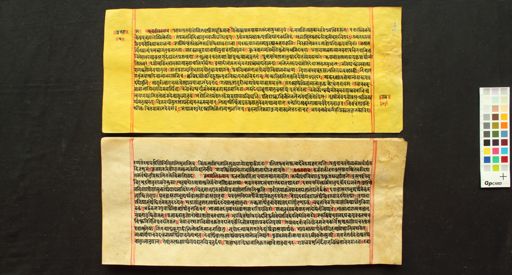
The Brahmāṇḍottara Purāṇa is a significant text that is traditionally categorized as the latter portion (Uttara Bhāga) of the Brahmāṇḍa Purāṇa, one of the 18 Major Purāṇas (Mahāpurāṇas). The Uttara Bhaga or Uttarakhanda of the Brahmanda Purana is primarily known for containing the Lalitopakhyana (the legend of Goddess Lalita) and other significant spiritual, philosophical, and mythological topics. The whole text is a dialogue form between hayagrīva and agstya. The text here describes 25 chapters including; f.1 janārdanāvirbhāva, f.3 hiṁsādyarupakathana, f.4 steyapānasvarupa, f.6 gamanasaṁyogajapāpaprāyaścityakathana, f.78 vyāsavidhirnāmapañcama vilāsa. It is written in sanskrit language and devanagari script. The text is good readable and chapters are highlighted in red coloured ink.